Why Are Handwoven Carpets So Expensive?
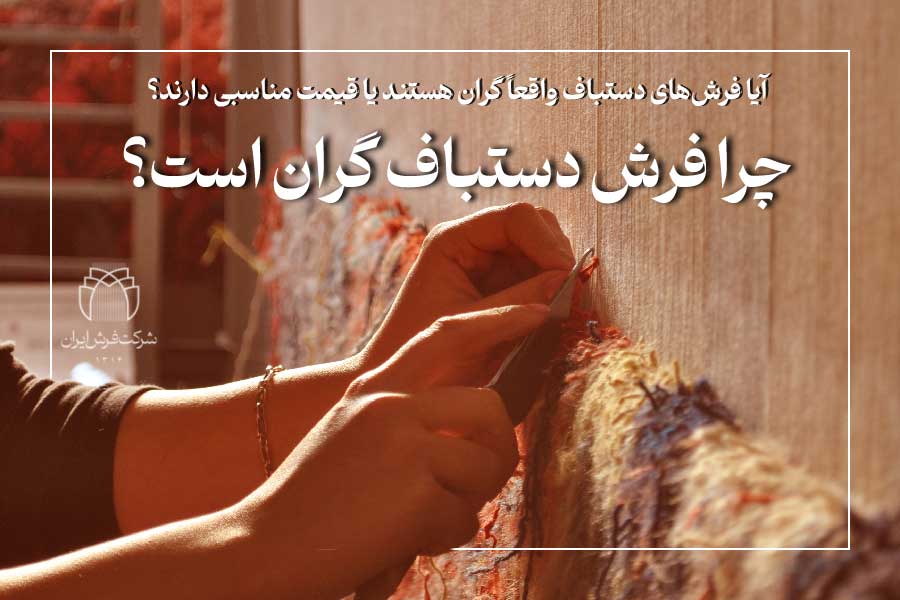
This is the most common question people ask when buying a handwoven carpet: Why are handwoven carpets so expensive?
But are handwoven carpets really expensive? The question reduces the value of a work of art to that of a purely functional object. Fine handwoven carpets, especially antique ones, are far more than objects used to furnish a home. They bring together months, perhaps years, of hard work, artistry, and masterful craftsmanship, carrying thousands of years of tradition and culture. Let us look at some of the factors that shape the price of a handwoven carpet and consider why carpets can be so expensive.
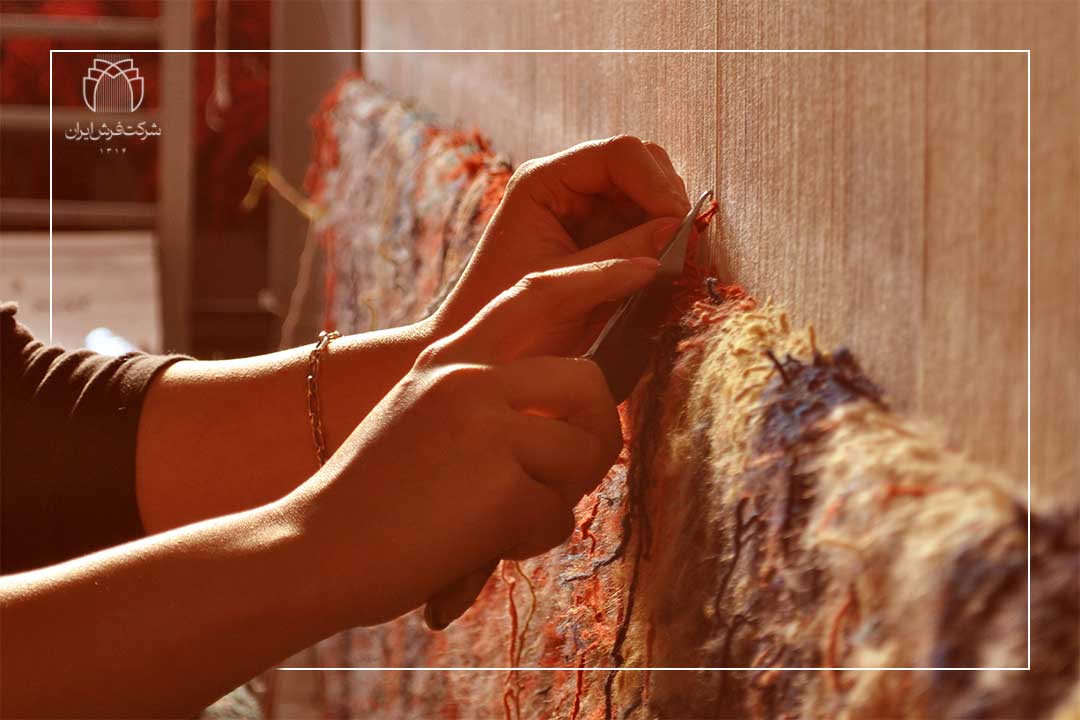
Like artists around the world, carpet artists spend years learning and practicing under the guidance of masters before reaching the height of their craft. Rather than paying millions of dollars for a work by Picasso, you can own a work of art of comparable caliber for a few thousand dollars. First, it is important to understand that handwoven carpets differ profoundly from machine-made carpets. Two handwoven carpets may resemble one another in design, pattern, colour, and weaving technique, yet each is a unique work of art. As the name suggests, every handwoven carpet is made by hand, with each individual knot tied by a human hand. The preliminary stages, too—from shearing wool and cotton or preparing silk to spinning and dyeing the fibres—are carried out by hand, and every knot reflects a deliberate decision by the weaver. This makes a carpet far more than a simple piece of fabric. A handwoven carpet is the expression of the creativity and developing character of its designer and weaver.
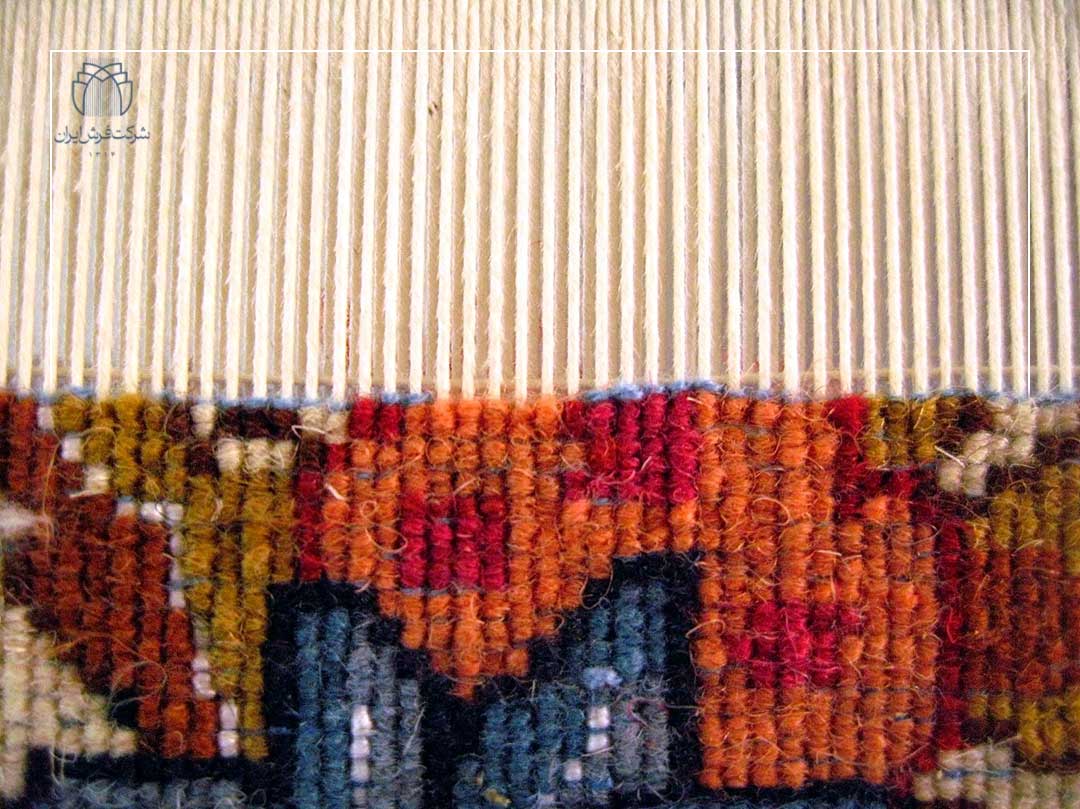
A carpet’s value is determined by a range of factors. One of the most commonly cited is knot density, or knot count (raj), which refers to the number of knots in each square inch or in an area measuring seven or six and a half centimetres. Knot density matters because it both increases the fineness of a handwoven carpet and extends the time required to weave it.
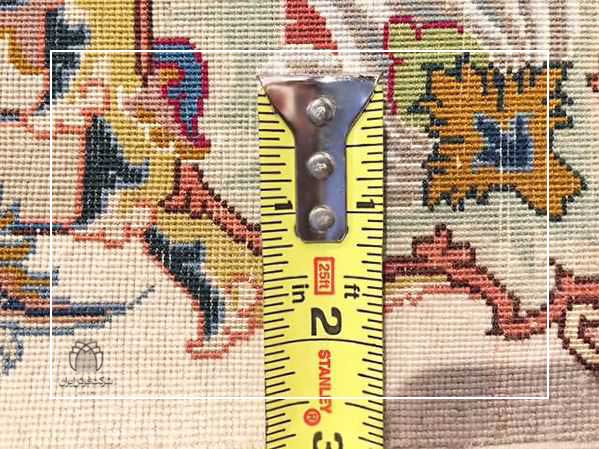
Knot count matters for another reason: it allows the designer and weaver to create a carpet with more intricate pattern details than one with fewer knots. Consider a graphic with a higher pixel count alongside one with fewer pixels. Which has greater resolution? The more pixels there are in each unit of measurement—an inch or a centimetre—the higher the image’s resolution. The same is true of handwoven carpets.
A higher knot count gives the artist greater scope for expression, enabling greater clarity and more nuanced shading and detail—things that are not possible with fewer knots. Of course, coarser-woven carpets have their own aesthetic qualities. But carpets with a higher knot count also use more raw material, and therefore tend to cost more.
Beyond knot count, a carpet’s pattern, design innovation, colours, and—if its designer is well known—the designer’s reputation all add to its value. For antique carpets, age must also be taken into account. Of course, not every old carpet is valuable; this does not apply to them all. Antiquity has its own criteria, and there is much more to it than meets the eye. For example, in June 2013, a Persian carpet woven in the 17th century sold at Sotheby’s for $33.7 million, earning the title of the world’s most expensive handwoven carpet.
Factors such as age, design, pattern, colour, historical provenance, and weaving region all contributed to its value. This carpet is exceptionally rare; carpets of this kind are considered world treasures, as valuable as any other antiquity. Even assigning a price to an antique like this is difficult.
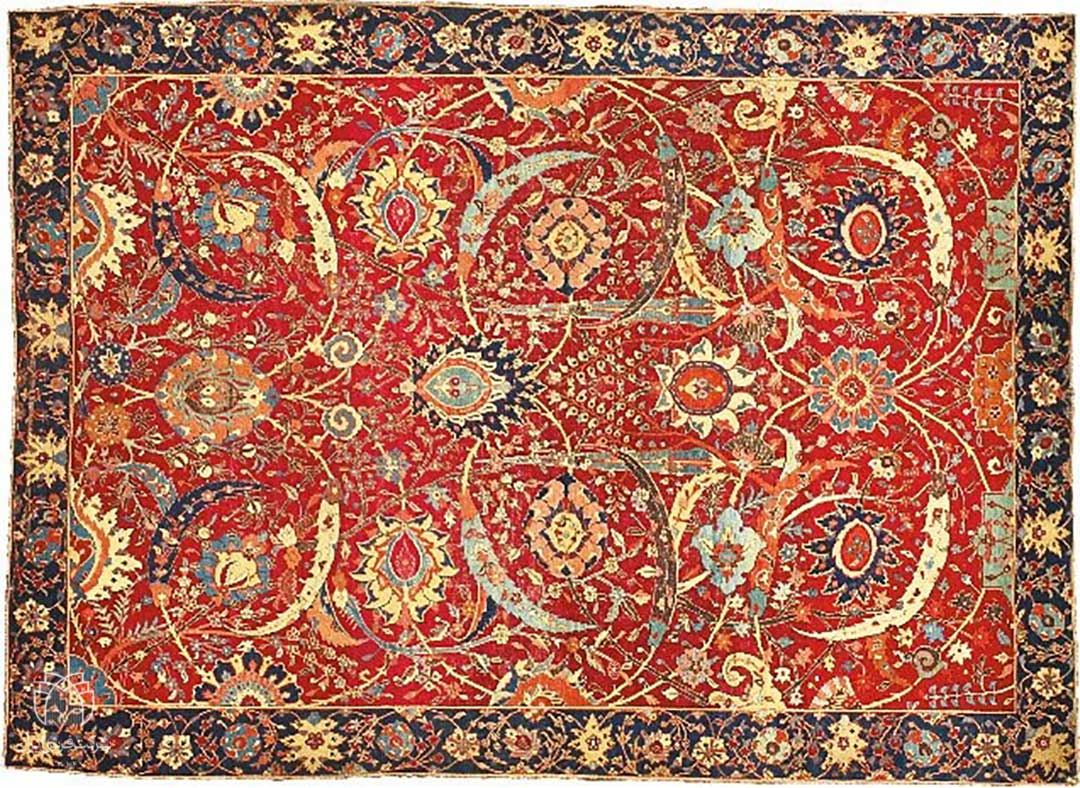 In June 2013, a Persian carpet woven in the 17th century sold at Sotheby’s for $33.7 million, earning the title of the world’s most expensive handwoven carpet.
The artistic value of fine handwoven carpets exceeds the amount you pay for them. Weaving a small carpet may take several months, with the weaver working on it for 7 to 8 hours a day. Add to this all the work involved in caring for sheep, growing cotton, or raising silkworms. Next comes the labour-intensive process of spinning and dyeing the fibres. Although this process has recently been mechanised, in many traditional tribal cultures it is still done with a hand spindle. Using this method, around 7 to 8 hours of spinning are needed for every hour of weaving.
Weaving a large carpet can take up to two years. Some carpets are woven without any days off: weavers work every day, sometimes around the clock in shifts. The fastest carpet weavers can tie about 6 knots a minute, or 360 knots an hour, but weavers with this level of skill are rare. On average, a room-size carpet measuring 9 × 12 inches, with 500 knots per square inch (a medium-quality density), requires 4 to 5 weavers working 6 hours a day, 6 days a week, for around 14 months. That amounts to more than 12,000 hours of labour for a carpet of medium quality.
By comparison, machines used to make machine-made carpets can produce several hundred square metres of carpet a day. Their speed of production is why machine-made carpets are so much less expensive than handwoven ones. Beyond that, machine-made carpets lack the artistry, the handwork, and everything else a handwoven carpet can bring into your home.
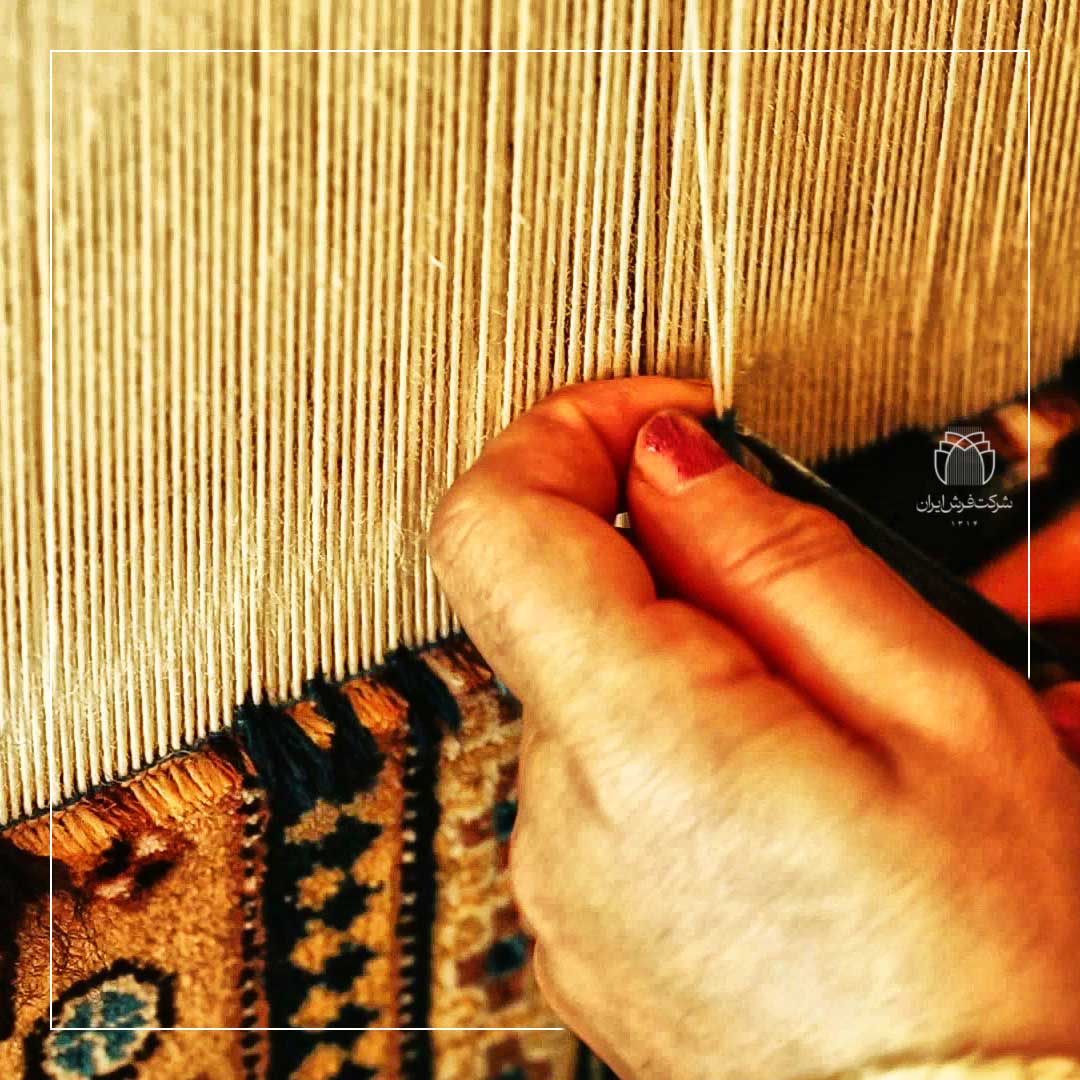
Those who ask why handwoven carpets are so expensive should consider all the steps involved in making one. Although antique carpets are more expensive than new ones, that does not mean newly woven carpets lack artistic value.
Antique carpets by masters such as Mohtasham, Haji Jalili, and Abolqasem Kermani are as significant as works by celebrated painters such as Matisse, Picasso, and Van Gogh. Like artists around the world, carpet artists spend years learning and practicing under the guidance of masters before reaching the height of their craft. Rather than paying millions of dollars for a work by Picasso, you can own a work of art of comparable caliber for a few thousand dollars.
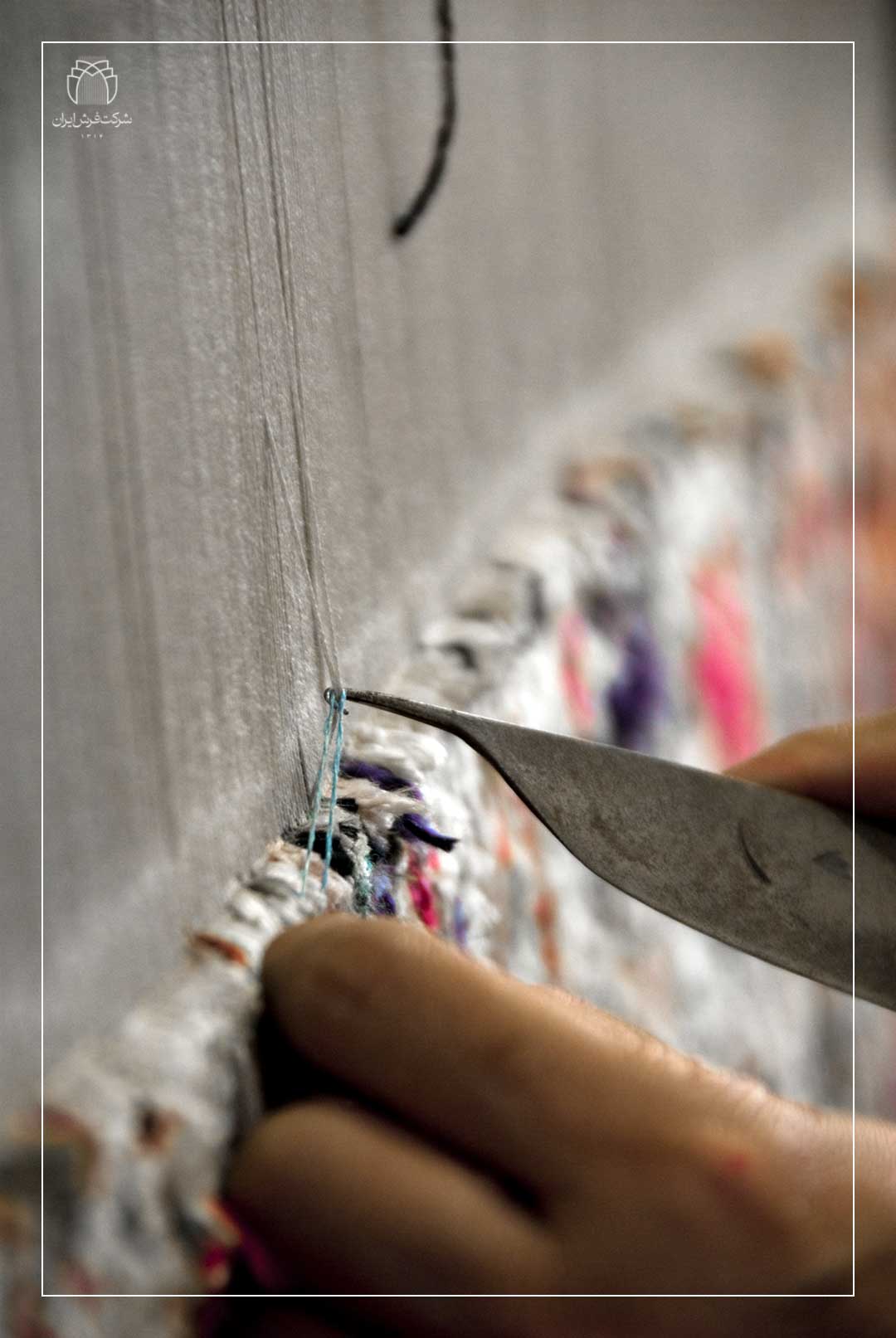
Compared with other works of art, carpets are relatively inexpensive and, as you can see, their production can sometimes cost more than their sale price. The world of fine art, however, is full of surprises. In 2019, a three-foot-tall stainless-steel rabbit resembling a child’s toy balloon sold at Christie’s for $91.075 million, astonishing and impressing art critics. Interestingly, Jeff Koons, who made the work, does not create many of his sculptures himself. He has a team that does the work for him; Koons simply oversees the process and signs the work when it is complete. Yet when a Safavid carpet—of which only one example exists in the world—sold at auction for $34 million, some art critics called the price irrational and outrageous!
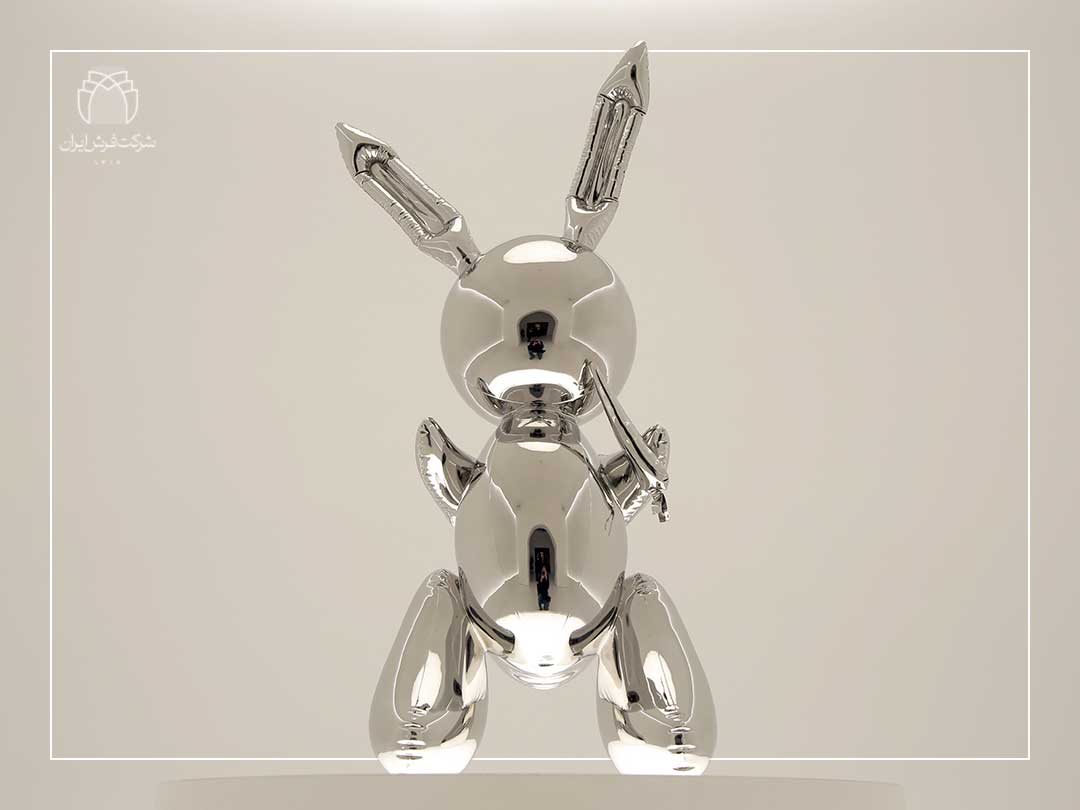 A three-foot-tall stainless-steel rabbit resembling a child’s toy balloon sold at Christie’s for $91.075 million.
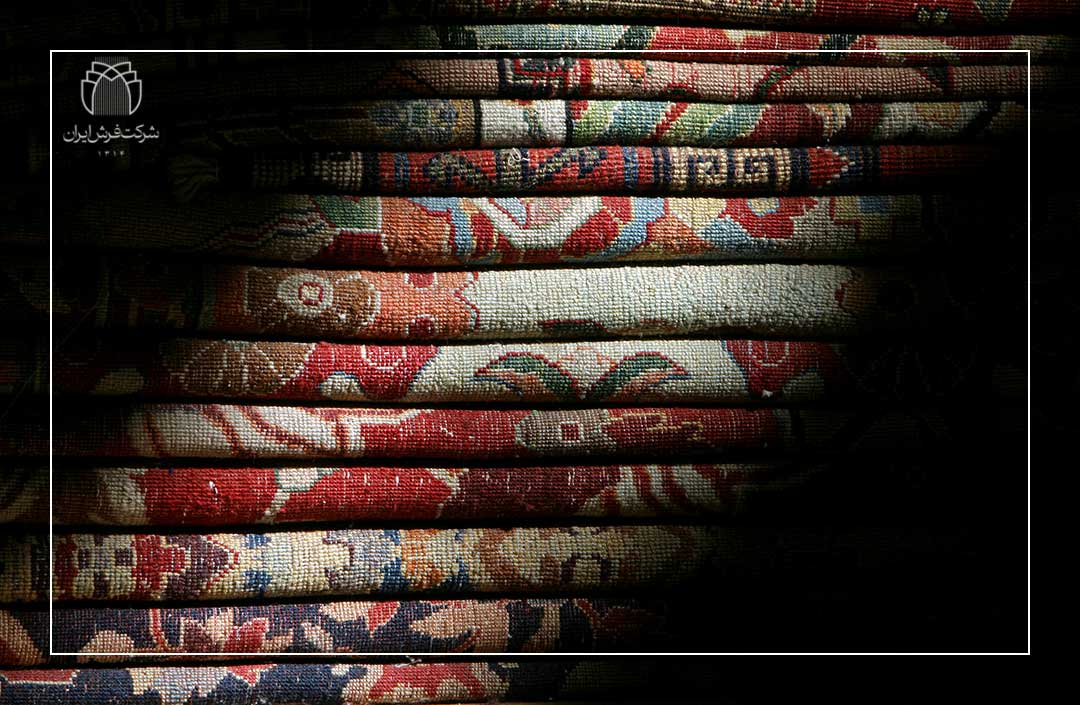
A carpet is one of the most important things you buy for your home. A fine carpet brings colour and warmth into your home, transforming it into a peaceful sanctuary. To buy a carpet is to buy a work of art. When you compare the price of a handwoven carpet with that of other works in the art world, you realise that carpets are not expensive at all.
Author: Amery Schwatters Translation: Davoud Shadloo