
Carpet Knowledge
The Sabzikar Design: A Symbol of Beauty and Good Fortune
Apr 8, 20215 min readIran Carpet Company
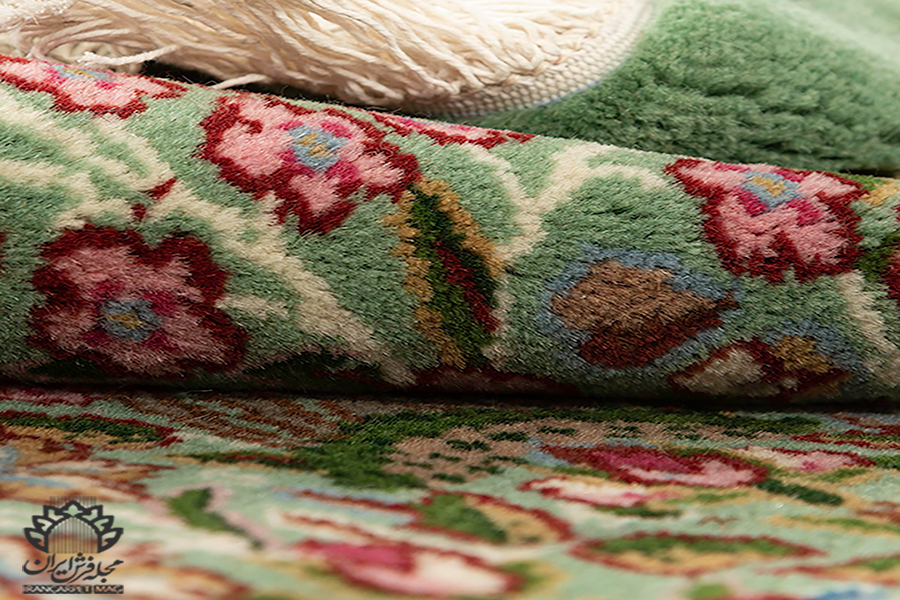
Every corner of this land is steeped in art, handicrafts, and beautiful, evocative customs. Their variety and abundance are such that many have sometimes been overlooked—or have disappeared altogether.
Few countries in the world have a long history of carpet weaving. Among them are China, India, Türkiye, and several Central Asian countries. Yet the name most widely recognized around the world for handwoven carpet production is Iran. Museums across the globe and art lovers everywhere who own an example of an Iranian carpet preserve it as a precious treasure. Today, even competitors who try to weave Iranian designs into their carpets proudly label the finished pieces with the name of the Iranian design, helping assure their sale. To understand why Iranian carpets are so renowned and highly regarded around the world, we must become familiar with many aspects of handwoven carpets, including one of their fundamental elements: the design and pattern.
The Iranian handwoven carpet is also an important expression of authentic Iranian art. It begins with a thought and an idea, followed by pen and paper; then nature, art, and craftsmanship come together in the enduring work known as the Iranian handwoven carpet. Drawing on social and ethnic cultures, it also offers a glimpse into life in Iran’s diverse regions. Despite its fame and grandeur, it remains something we ourselves do not fully know. When we encounter one, we may be unable to explain either its place of origin or its design and pattern.
When choosing a carpet, the first consideration that matters greatly to us is its design. These designs are ancient and remarkably varied. Iran Carpet Company has published several illustrated volumes on carpet designs. We therefore set out to introduce the many designs and patterns of Iranian carpets in a series of posts, so you can see how the captivating patterns of an Iranian handwoven carpet can transform your home’s interior.
Iranian carpets come in a great many designs, each chosen according to individual taste. These include ancient and Islamic architectural designs; boteh-jegheh, or boteh; Shah Abbasi; arabesque; adapted; repeating-band or linked; tree; Turkmen or Bukhara; hunting; panel or compartment; vase; European-flower; prayer-niche; fish-in-a-pool; striped; geometric; and composite designs, among others. One of the designs woven since ancient times is Sabzikar, which we describe here.
Kerman Carpet Company, with a history of more than 60 years, is among the oldest producers of authentic Kerman carpets. Well-known designs woven in Kerman’s carpet workshops include Sabzikar, pictorial, and all-over Afshan. Among the various Kerman carpet designs is the Sabzikar carpet, with some of the finest examples woven in the Ravar carpet-weaving district. Its best-known versions include Hafez, Layla and Majnun, Khayyam, and Landscape.
The Sabzikar design first flourished in the city of Ravar before spreading to other parts of Kerman and the country. Documents and evidence indicate that Kerman’s artisans were the first to use the Sabzikar design in carpet weaving. Rather than depicting the form of a tree, this design features branches and stems filled with flowers. A turquoise pool is woven into the carpet, which is why the design is also known as Āb-Nemā, or “water feature.” Above all, the Sabzikar design is characterized by its tree motif: its patterns draw on nature, flowers, and plants. The design symbolizes beauty and good fortune, which has made it highly popular among Iranians and carpet buyers around the world.
The Sabzikar design is rich in naturalistic flowers—especially wild roses—and leaves. It is woven sometimes with a border and sometimes without one. Its abundance of flowers and plants, together with its green ground, gives the design its name, Sabzikar. In some versions, the carpet’s border—known as a self-border, broken border, or court border—is relatively wide and set apart from the field, often by scrolling branches adorned with olive leaves. One version of Sabzikar is known as Āb-Nemā. Its central medallion often consists of a pool filled with colorful flowers.
Some of the key features of the Sabzikar design are as follows:
 Carpet Knowledge
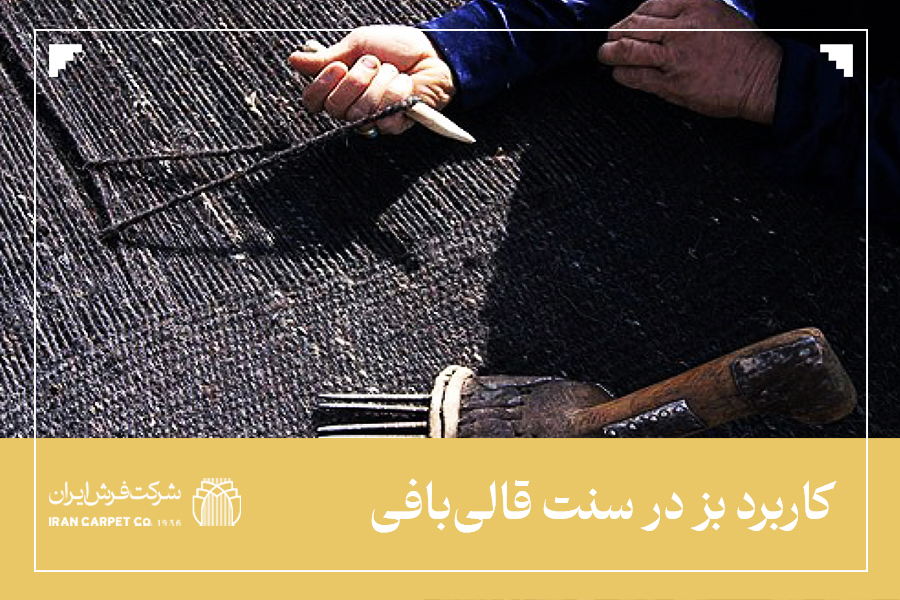
Did you know how widely goats are used in weaving traditions? This article explores the goat’s role in Iranian carpet weaving—from goat hair to its place in traditional textiles and related symbols.
 Carpet Knowledge
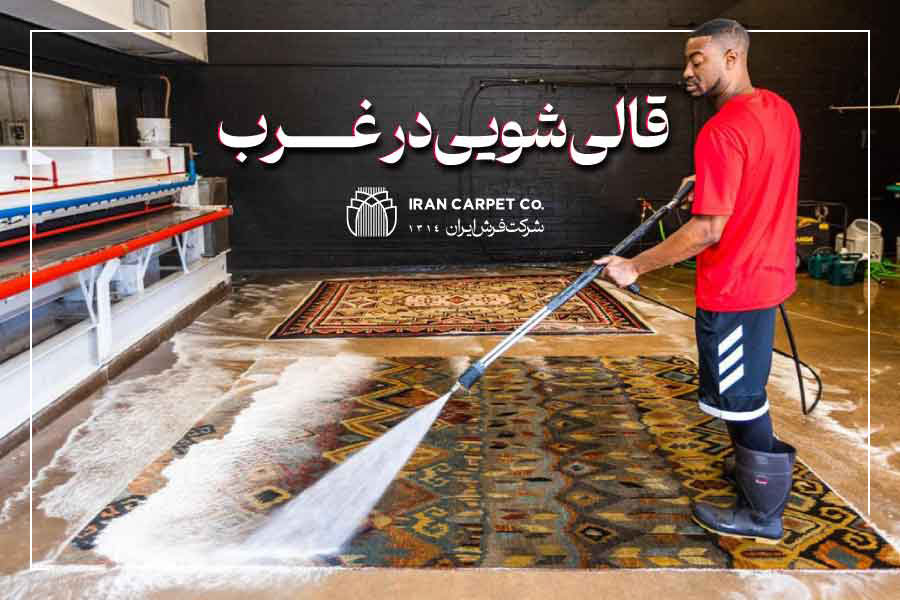
As long as carpets have existed, so too have the challenges of washing them and cleaning them properly without causing damage. Owning an Oriental carpet was a sign of success in society and in one’s profession; keeping it clean, however, was another matter.
 Carpet Knowledge22
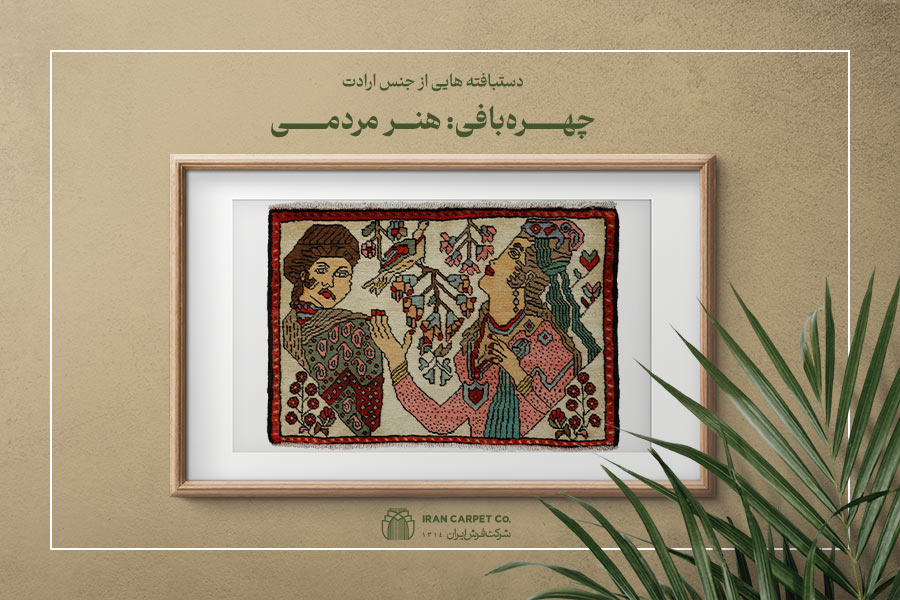
You may have seen portrait carpets like the ones in this article mocked on social media. In fact, these carpets were not woven for sale or display; they were made out of devotion to the people portrayed.