
Carpet Knowledge
The Main Components of a Handwoven Carpet
Oct 22, 20192 min readIran Carpet Company
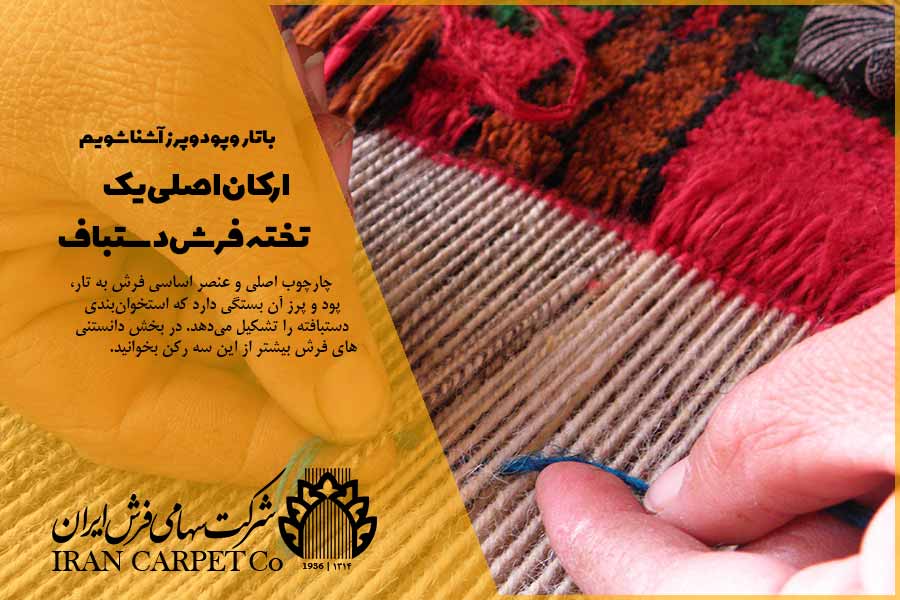
A carpet’s basic structure rests on its warp, weft and pile, which together form the framework of the handwoven textile.
Warp, also known as the cheleh, tar, tun or tuneh, is a network of vertical, parallel threads stretched from the top of the carpet loom to the bottom. The warp threads are spaced at regular intervals and held under even tension, alternating between the front and back of the loom. Warp is most commonly made of cotton, though wool and silk are also used.Weft consists of horizontal, parallel fibres and threads passed through the warp at a 90-degree angle. After each row of weaving, the weft is beaten down with a comb to give the carpet greater durability and strength. Like the warp, the weft is most commonly made of cotton. Its thickness should be selected according to the carpet’s knot count.
Pile, also referred to as the nap, khameh or the body of the carpet, is a wool or silk yarn knotted around the warp. In effect, the pile and khameh are the yarn used to tie the knots in carpet weaving. Once knotted into the carpet, the pile yarn creates its patterns and designs. In the next instalment of our handwoven carpet knowledge series, we will explore the principal materials used in carpet making.
 Carpet Knowledge
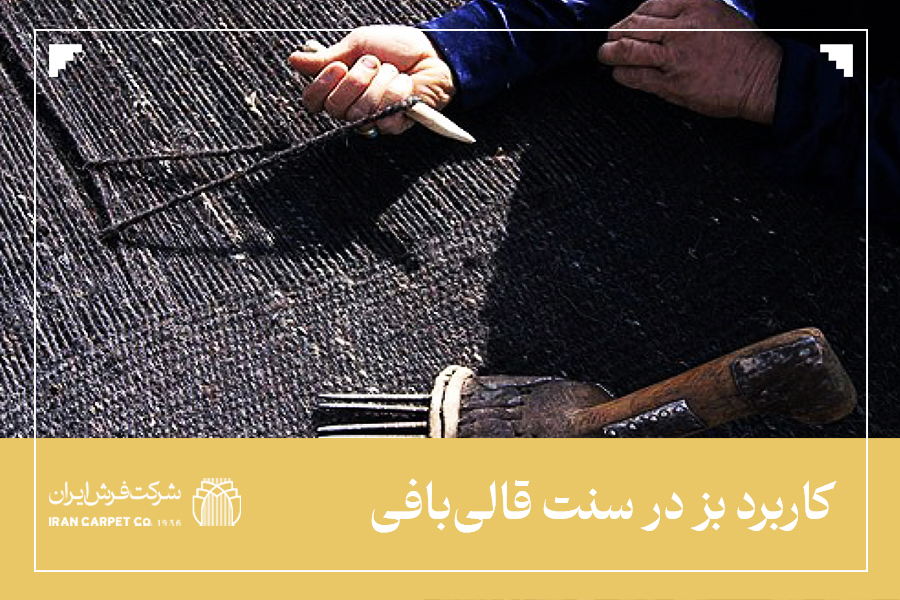
Did you know how widely goats are used in weaving traditions? This article explores the goat’s role in Iranian carpet weaving—from goat hair to its place in traditional textiles and related symbols.
 Carpet Knowledge
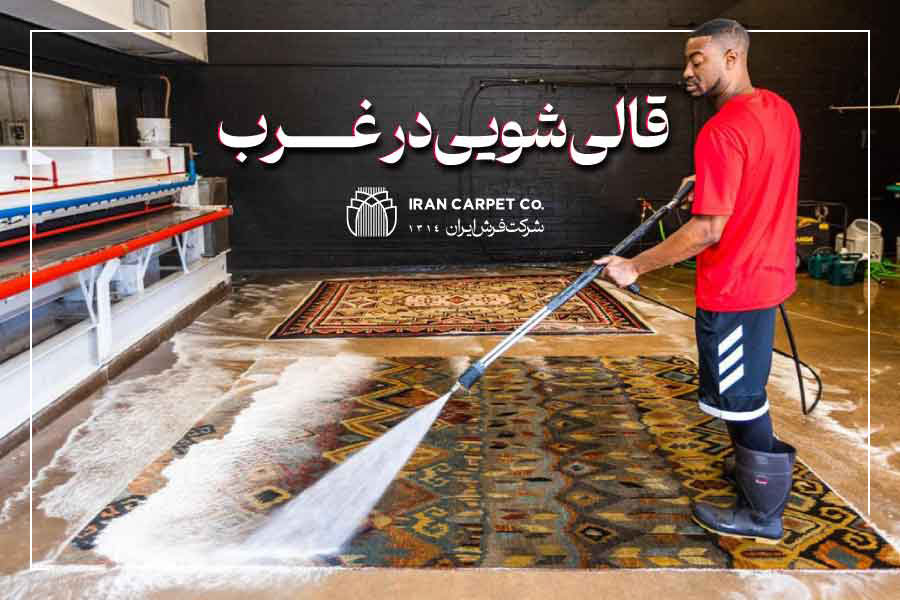
As long as carpets have existed, so too have the challenges of washing them and cleaning them properly without causing damage. Owning an Oriental carpet was a sign of success in society and in one’s profession; keeping it clean, however, was another matter.
 Carpet Knowledge22
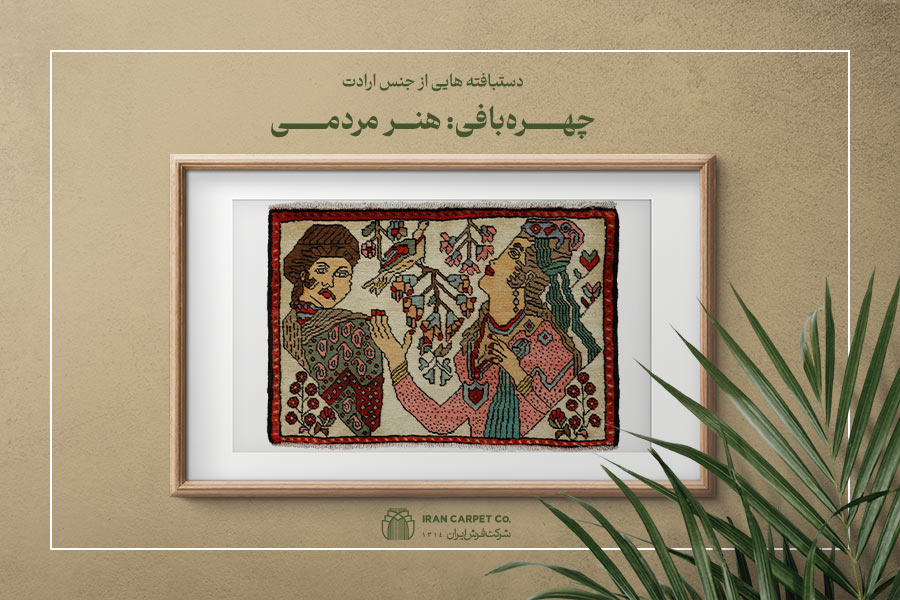
You may have seen portrait carpets like the ones in this article mocked on social media. In fact, these carpets were not woven for sale or display; they were made out of devotion to the people portrayed.