
Regional Weaves
The Seneh Carpet: An Unparalleled Masterpiece of Iranian Art
Jun 22, 20246 min readIran Carpet Company

With a long history and distinctive designs, handwoven carpets from Kurdistan are shining gems in the treasury of Iranian art. Woven with the imagination and ingenuity of Kurdish women and men, each carpet tells a story of love, refinement and creativity through its delicate knots and captivating patterns.
Kurdistan, an ancient region in western Iran, is a cradle of civilizations and rich cultures, with soaring mountains, verdant pastures and warm-hearted people. Its varied landscape—from lush plains to lofty peaks—has long inspired artists, especially carpet weavers. Carpet weaving is practiced in many towns and villages across Kurdistan, but the region owes much of its renown to the weavers of Bijar and Sanandaj. Other carpet-weaving areas include Kamyaran, Hawraman, Baneh, Saqqez, Qorveh, Marivan and Divandarreh. Alongside carpets, local artisans weave kilims and other traditional floor coverings. Kurdistan’s carpet weaving is divided into three traditions: Seneh weaving, centered in Sanandaj; Afshar weaving, centered in Saqqez; and the carpets of Bijar and Garoos. The use of the symmetrical Turkish (Ghiordes) knot and certain weaving tools are shared features of these traditions.
Sanandaj carpets have adorned the homes of discerning Iranian households and made treasured gifts for those with exacting taste. Over time, they have brought warmth to gatherings of fellowship and goodwill, preserving in people’s hearts a cherished memory of the art and culture of this land. Every knot speaks of the extraordinary patience of the skilled weavers, who bring the warp and weft together with able hands to create striking designs that embody heritage and culture.
Fish and boteh motifs are among the most prevalent designs in Sanandaj carpets, often arranged around large six-sided medallions. Fish motifs typically fill the field, while boteh motifs appear in the border. Floral motifs play an unmistakable role in Seneh carpet designs (1). Gol-e Vakili, Gol-e Mirza Ali (1), Gol-o-Bolbol (the flower and nightingale), and boteh-jegheh designs are used across much of the province. A defining feature of Seneh carpets is their use of traditional geometric motifs, inspired by the natural environment and culture of Kurdistan. Designs found in Sanandaj carpets include the quartered boteh, eight-pointed boteh, four-pointed boteh, Gol-e Vakili, weeping willow, Gol-o-Bolbol (also known as the swallow’s nest), and Gol-e Mirza Ali (2), which closely resembles the Gol-e Farang motif. Another is the Kolah Farangi motif, derived from the architecture of Qajar-era Kolah Farangi pavilions (3). The varied and harmonious use of color gives carpets from Sanandaj a distinctive range. Madder red, deep navy and blue are prominent in older Sanandaj carpets. Contemporary carpets retain these colors while also incorporating a wider palette of softer tones, including cream, light blue and pale madder red.
Sanandaj carpets are woven on a fixed vertical loom, with a Turkish-style warp setup. The knot used is symmetrical (Turkish), and in some areas weavers work without a hook. The older Sanandaj knot, known as the Seneh knot, however, resembles the Persian knot. This may be why the asymmetrical Persian knot has sometimes been mistakenly called the Seneh knot. The knot counts of older Sanandaj carpets ranged from 15 to a maximum of 25 knots per unit; today, they generally range from 25 to a maximum of 35. The fibers are dyed using both natural and synthetic dyes. In the past, carpets were woven with a single weft; today, two wefts are used, and the structure tends toward a tubular weave. Kurdish sheep’s wool, prized for its softness and durability, is the principal material used for the pile. The warp and weft are cotton, and the pile is sheared very short, resulting in a fine, lightweight weave. The selvages are finished and the pile is trimmed during the weaving process.
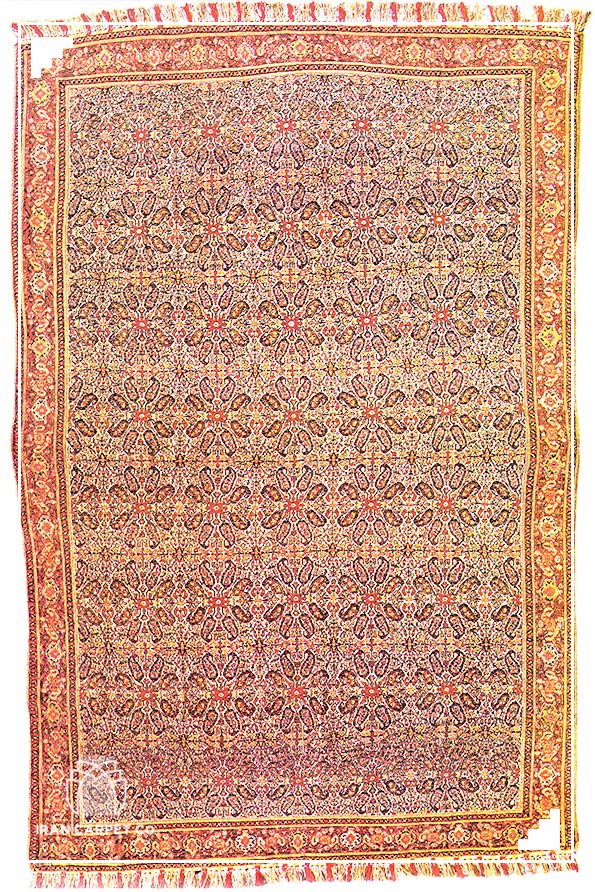 Figure 1: Kurdish boteh design, held at the Iran Carpet Museum, mid-13th century SH (mid-19th century).
The enduring, ancient eight-pointed flower motif, seen in Sasanian art and later periods, is a simplified form of the sunflower and symbolizes light and the cycle of life. The Kurdish boteh design evolved through the repeated rotation of the boteh-jegheh motif, which covers the entire field of the rug. Its broad border, in Seneh madder red and adorned with samovar and boteh motifs, further enhances the rug’s beauty.
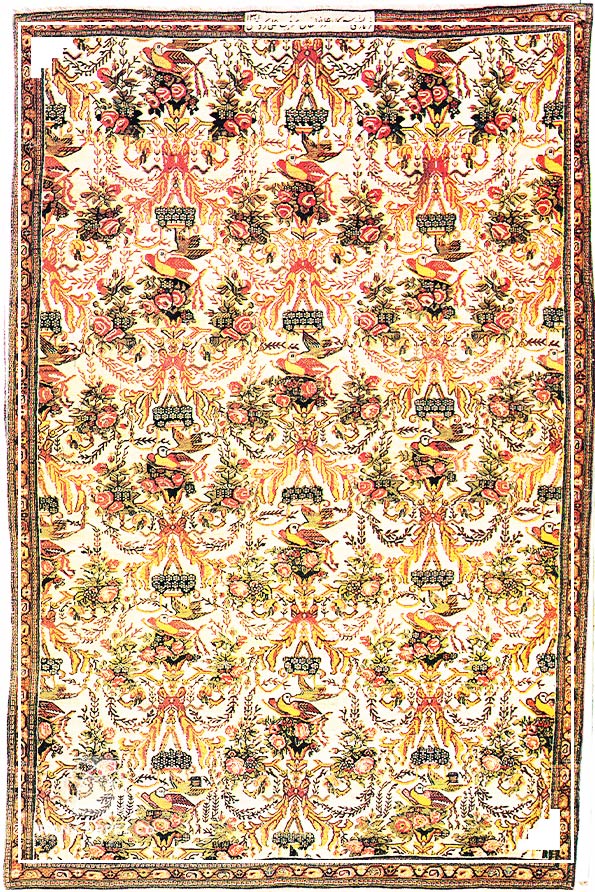 Figure 2: Swallow’s nest design, Iran Carpet Museum, 1262 SH (1846–47).
The “swallow’s nest,” also known as the “bouquet,” is a traditional Seneh design. The entire field of the rug is decorated with red bouquets, swallow’s nests and hanging flower baskets. In effect, a repeating unit shaped like a censer is set across the field. Three red bouquets stand out at its center and sides, with a swallow chick nesting in the central bouquet.
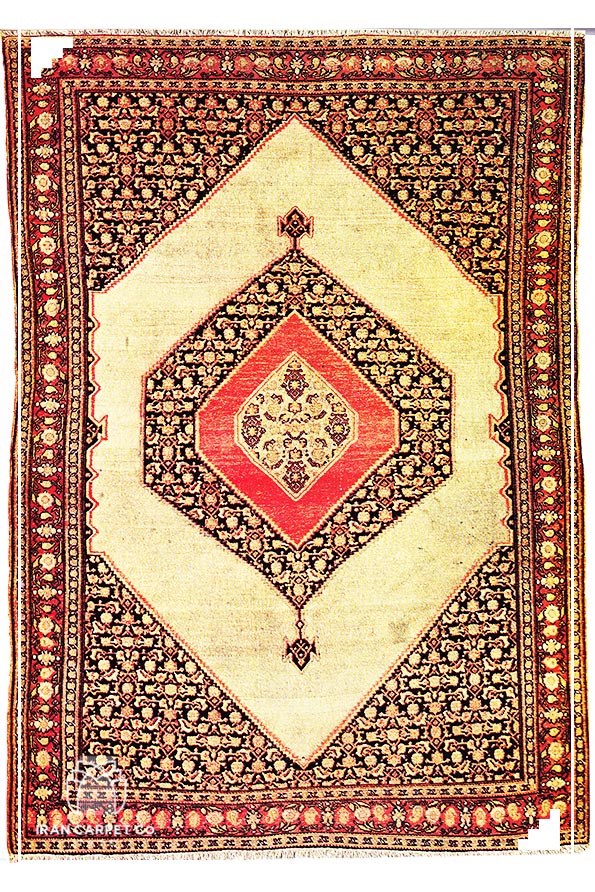 Figure 3: Fish medallion-and-corner design, mid-13th century SH (mid-19th century), with nested six-sided medallions.
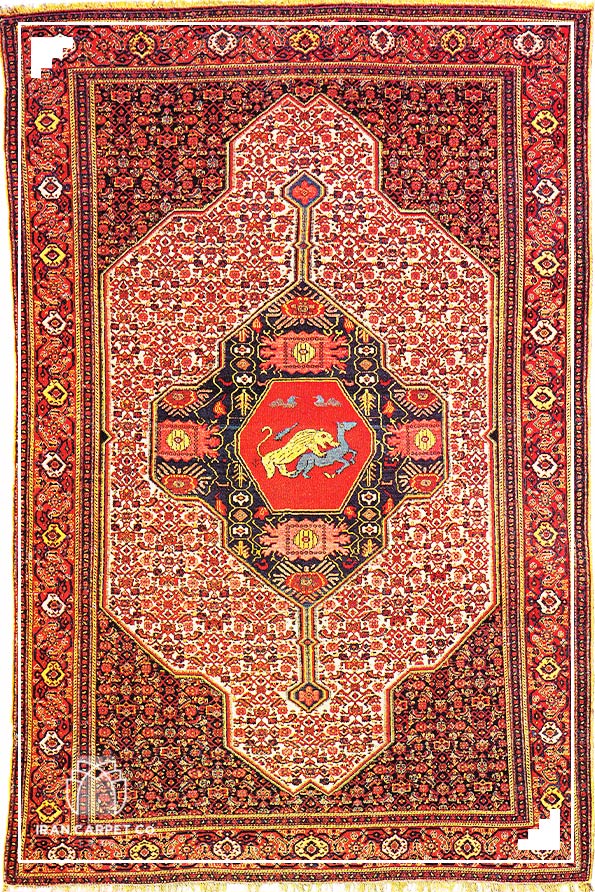 Figure 4: Fish medallion-and-corner design with Gol-e Vakili motif, Iran Carpet Museum, mid-13th century SH (mid-19th century).
The “grip-and-tussle” motif in the red, six-sided central medallion draws the eye. The larger medallion, with elongated pendants, departs from the usual six-sided Seneh form. It features large flowers known to local weavers as Gol-e Vakili.
FootnotesReyhaneh Kasiri MA in Handwoven Carpets
For further information on carpets from the Seneh region, consult the following sources:
- Bassam, Seyyed Jalaleddin, et al. (2004). “Dream of Paradise (The Art of Iranian Carpet Weaving),” Tehran: Etka. - Delavar, Mohammad Saeed. “A Treasury of the Art and History of Kurdistan Carpets,” Naqsh-o Negar magazine, no. 57. - Zوله, Touraj (2002). “A Study of Iranian Carpets,” Tehran: Yassavoli Publications.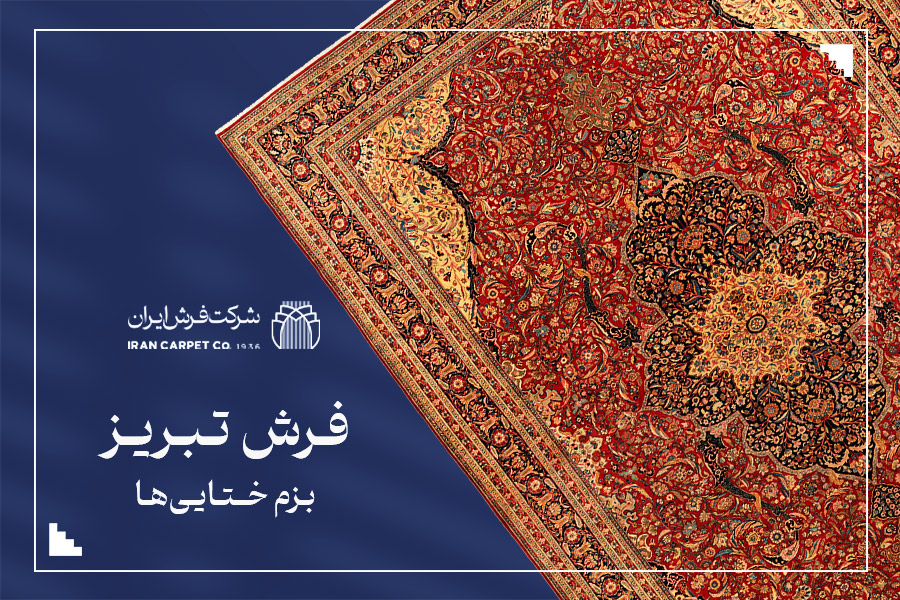 Regional Weaves
Across the centuries, Tabriz has remained a cradle of art and culture. The handwoven carpets of this city seem to embody Iranian taste and creativity, their warp and weft alive with it. Tabriz’s skilled weavers intertwine delicate knots to bring inventive designs to life.
 Regional Weaves
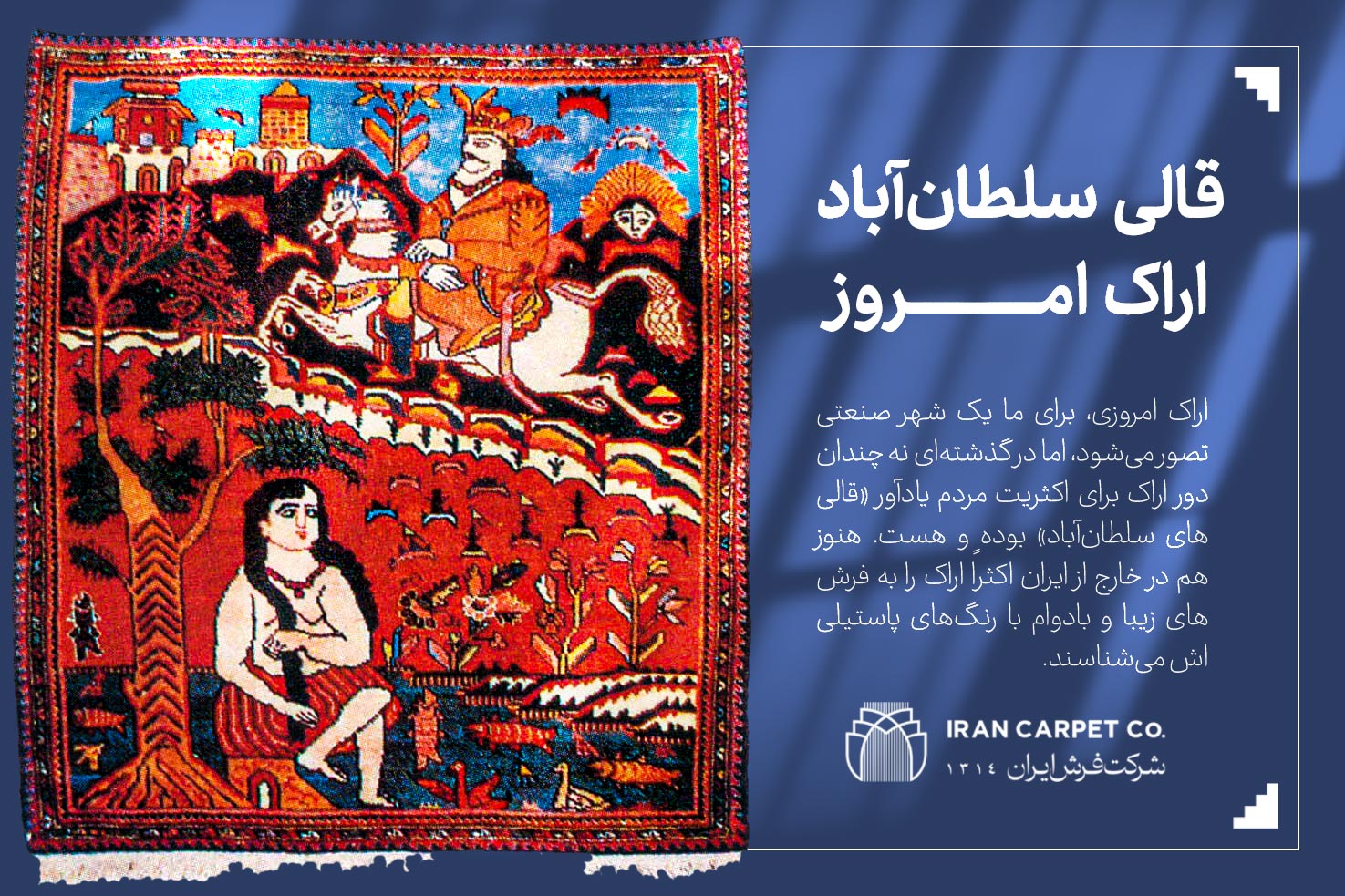
Today, we tend to think of Arak as an industrial city. Yet until not so long ago, Arak was synonymous with “Sultanabad carpets.” Even now, outside Iran, Arak is widely known for its beautiful, durable carpets in pastel colors.
 Regional Weaves
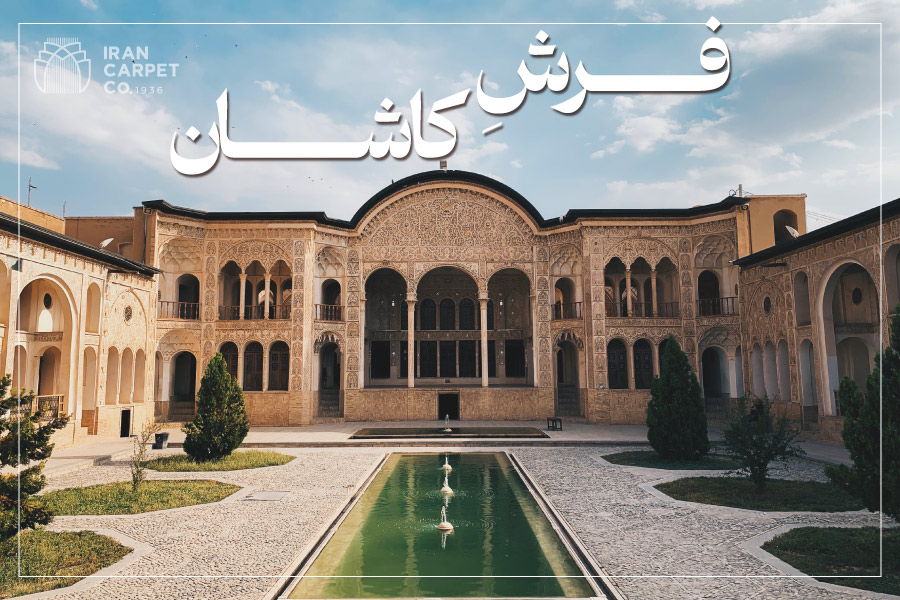
Even in the Safavid era, Kashan was a center for weaving a wide range of artistic carpets, and Shah Abbas fostered carpet weaving in the region. Its carpets are associated with gold and velvet, as well as some of the finest Persian rugs—mistakenly known as Polish carpets.