
Carpet Knowledge
Kork: The Term in Handwoven Carpet Production
Aug 3, 20215 min readIran Carpet Company
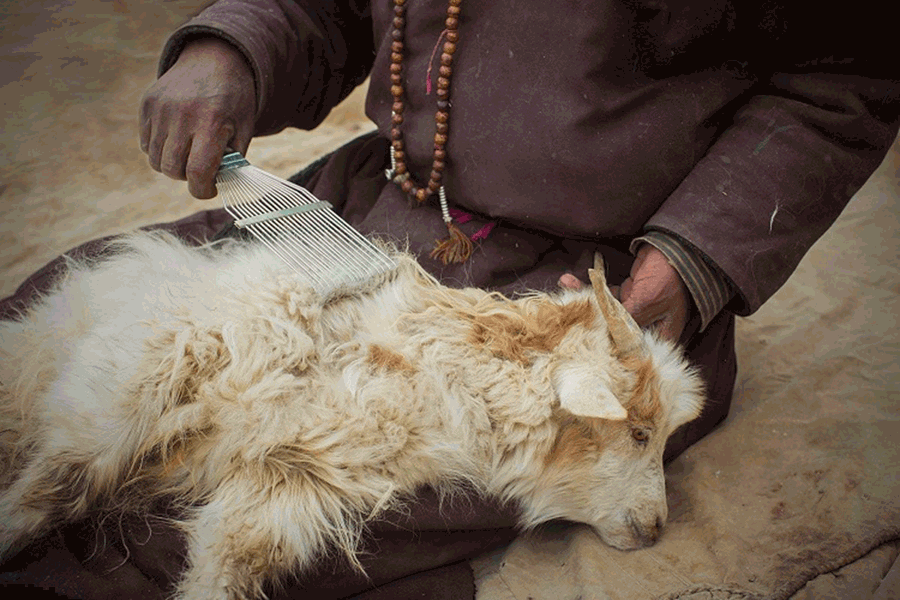
Since ancient times, crafts have had their own terms, often used to convey a particular quality or quantity. Iranian handwoven carpets, too, have a rich vocabulary. Among its terms, “kork” has a lesser-known story.
According to the Public Relations Department of Iran Carpet Company, artisans adopted specialized terminology for several reasons. First, it allowed them to describe a quality or quantity metaphorically—a longstanding practice in our cultural tradition.
Second, such terminology could serve to keep meaning concealed from outsiders, taking on a coded character. In crafts such as goldsmithing, milling, coppersmithing, performing, and seliri (felt-making), secrecy and obscurity became a kind of language, making the terms difficult to learn and thereby safeguarding the craft’s financial returns. In linguistics, such constructed languages are known as “Lüter” or “Lütra.”
The most widely used raw material in handwoven carpet production is wool fiber. In textile science, it belongs to the category of animal fibers. It goes without saying that sheep are the primary source of this fiber for the art and industry of handwoven carpets. Depending on the sheep’s breed, age, diet, and the season in which the fleece is harvested, wool fibers have different physical properties. Fineness, length, elasticity, compressibility, flexibility, and several other qualities determine the fiber’s physical characteristics. These qualities in turn shape the physical properties of wool yarn during production; sometimes, blending two different kinds of fiber can yield a combination of their respective qualities.
In the textile trade, producing countries use different systems to classify the quality of wool fibers. For example, Germany commonly uses an alphabetical system (A–F); England and some other English-speaking countries use the Bradford system (a wool count of 64); France uses numbers and letters (Merino 105); and the United States classifies wool according to bloodlines (“half-blood”).
In textile science, fiber fineness can be measured using seven criteria, depending on the shape of its cross-section. The most widely used is “count” (linear density), which indicates the mass per unit length of a fiber.
“Micron”: A unit of measurement for wool-fiber fineness, equal to one millionth (10−6) of a meter. Accordingly, wool fibers are divided into five categories by quality and fineness: fine (Merino sheep wool, 14 to 24 microns); medium (Suffolk, Hampshire, and other sheep wool, 24 to 32.5 microns); coarse (wool from most Asian sheep, 31 to 34 microns); long (Cotswold, Lincoln, and other sheep wool, 30 to 40 microns, with a length of 12 to 40 centimeters); and crossbred (not a distinct breed, with characteristics depending on the parent breeds, 22 to 32 microns, with a length of 6 to 17 centimeters). In the Iranian handwoven carpet market, the phrase “woven from kork” is used for carpets whose entire pile is made from fine wool yarn—specifically, Merino wool yarn.Thus, the term indicates the high quality, softness, and fineness of the raw material used. But what kind of fiber is kork, the material invoked metaphorically?
All fibers come from one of three sources: they are man-made, harvested from plants, or derived from animals. Animal fibers, in turn, fall into two groups: those from an animal’s coat and those formed from its saliva. Fibers obtained from animal coats are divided into three subgroups:
Angora or mohair and cashmere goats are the most important sources of kork. Bactrian camels, llamas (Lama), alpacas (Alpaca), vicuñas (Vicuña), and guanacos (Guanaco) are camelid breeds from which kork is obtained and produced. Yak and Angora rabbit are also sources of kork, though they rank below the animals mentioned above.
Fibers produced from these animals each have qualities that are considered in the trade. For example, vicuña fiber measures 6 to 10 microns in fineness, placing it in a superior category compared with Merino wool, at 14 microns.
It is said that the first people to domesticate sheep were the Iranians, around 6000 BCE.
This may point to the depth of Iran’s history in producing handwoven textiles. Moreover, because Iran lay along the major trade route between the Far East and Western Europe, Iranians became familiar with the textiles of other lands, including Kashmir.
As we know, Kashmir textiles were produced to suit Iranian buyers’ tastes. In turn, textiles inspired by Kashmiri products were made in Kerman, and the breeding of fiber-producing goats began there—a tradition that continues to this day.
Thus, the term “kork” came into use among Iranian carpet makers and spread as a way to emphasize the exceptional quality and fineness of their woven work.
 Carpet Knowledge
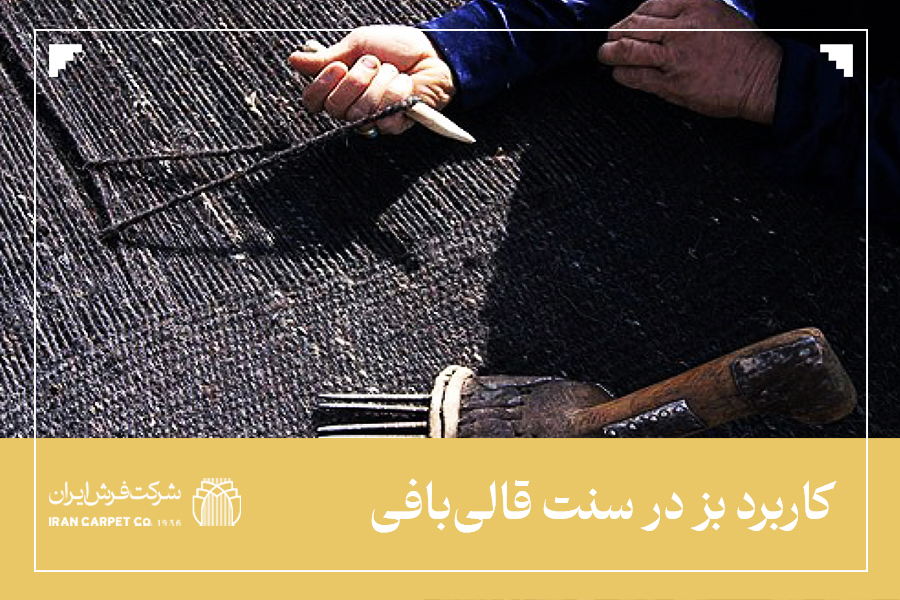
Did you know how widely goats are used in weaving traditions? This article explores the goat’s role in Iranian carpet weaving—from goat hair to its place in traditional textiles and related symbols.
 Carpet Knowledge
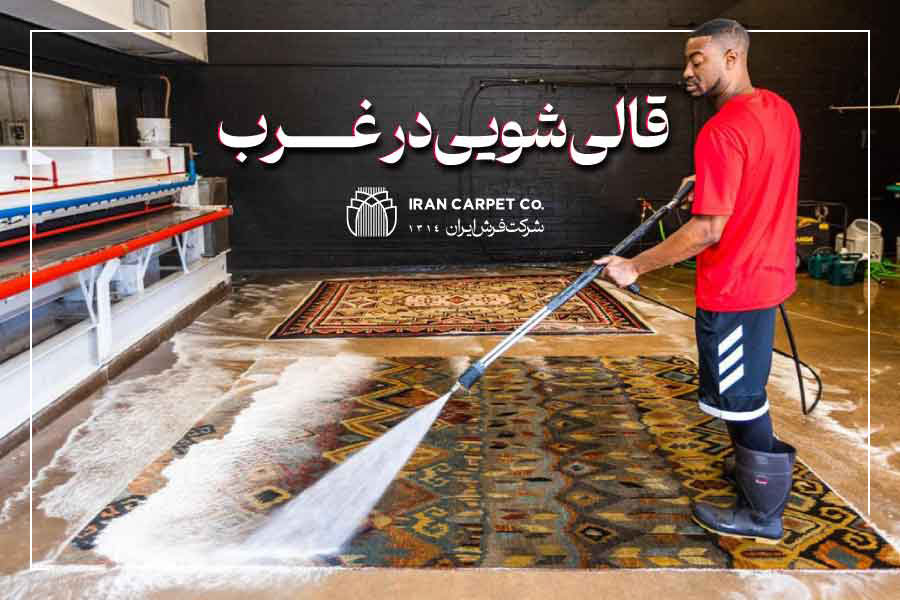
As long as carpets have existed, so too have the challenges of washing them and cleaning them properly without causing damage. Owning an Oriental carpet was a sign of success in society and in one’s profession; keeping it clean, however, was another matter.
 Carpet Knowledge22
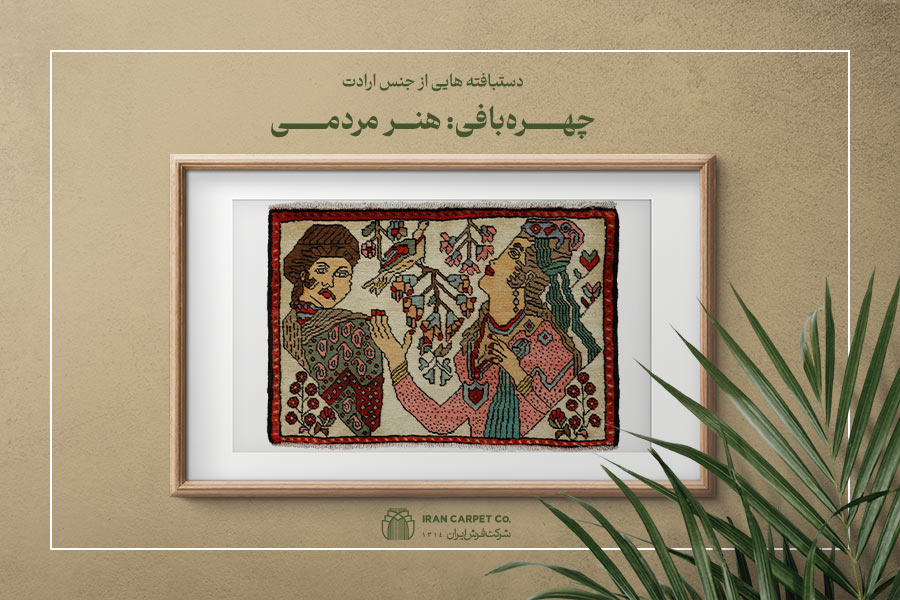
You may have seen portrait carpets like the ones in this article mocked on social media. In fact, these carpets were not woven for sale or display; they were made out of devotion to the people portrayed.