
Carpet Knowledge
Iranian Handwoven Carpets: A Legacy from the Past, a Gift for the Future
Oct 23, 20192 min readIran Carpet Company
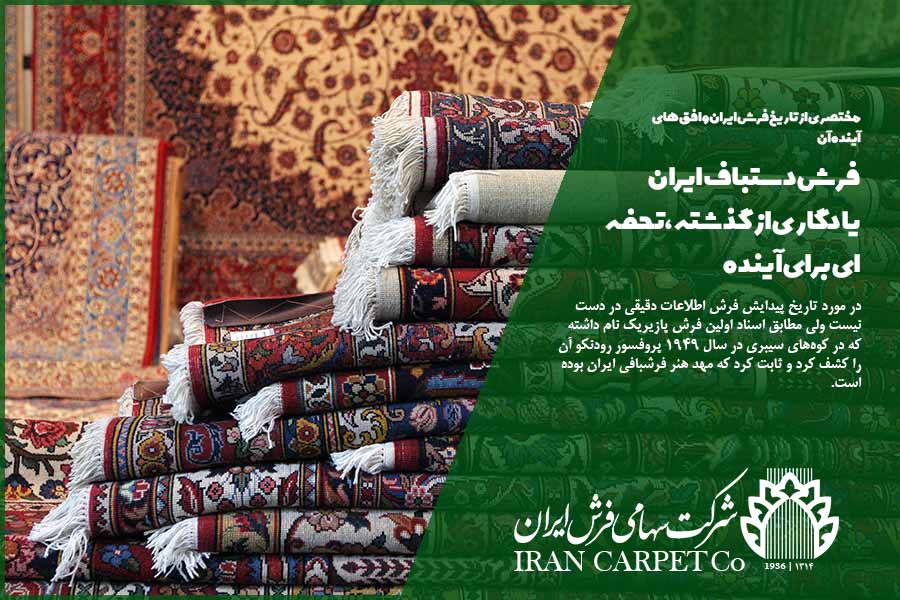
The origins of carpetmaking are not precisely known. Yet archaeological finds and the discoveries of humankind have shown that crafts such as basketry, feltmaking, zilu weaving, jajim weaving, and kilim weaving all preceded the art of carpet weaving. The earliest carpets had simple, rudimentary, angular designs and were largely improvised from memory; they were used for everyday purposes. The earliest known carpet, the Pazyryk, was discovered by Professor Rudenko in the Siberian mountains in 1949—a discovery that established Iran as the cradle of carpet weaving. Throughout this long history, the processes of carpet production have largely retained their traditional principles and have endured into the present day. Iran’s long history of carpet production, together with the presence of ancient examples of these woven works in the world’s renowned museums—including the 2,500-year-old Pazyryk carpet, held at the Hermitage Museum in Leningrad—and the growth of exports to European countries, particularly during the Qajar era, fostered a positive and admiring view of Iranian carpets in international markets. Despite the entry of competing countries into handwoven carpet production, statistics continue to show that Iran holds the largest share of global trade in this product, accounting for approximately 30 percent of the world handwoven carpet market. For more than twenty-five centuries, the handwoven carpets of Iran—the original home of this art and craft—have borne the mental imagery of Iranian designers and weavers, ancient mythical symbols found throughout the land, the aspirations and values of Iranians, and national and religious symbols common among Iran’s peoples. It is therefore fair to say that Iranian handwoven carpets carry a profound burden of the country’s history and civilization. The export and distribution of Iranian carpets abroad began in the Safavid era and expanded during the Qajar period. Over time, this gave rise to an extensive, long-established network for distributing and selling Iranian handwoven carpets in other countries, especially in Europe. In recent years, Iranian carpet exporters have also reached many new markets.
 Carpet Knowledge
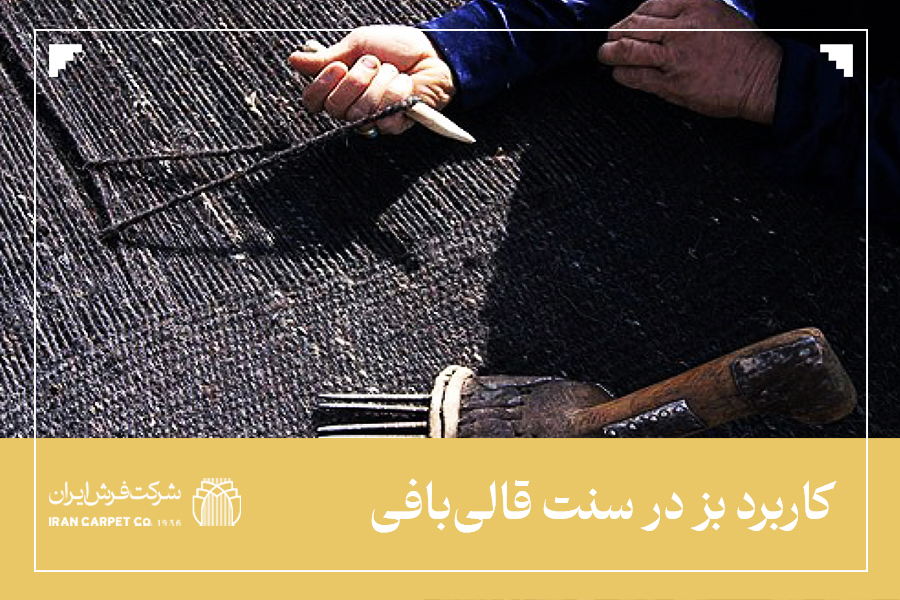
Did you know how widely goats are used in weaving traditions? This article explores the goat’s role in Iranian carpet weaving—from goat hair to its place in traditional textiles and related symbols.
 Carpet Knowledge
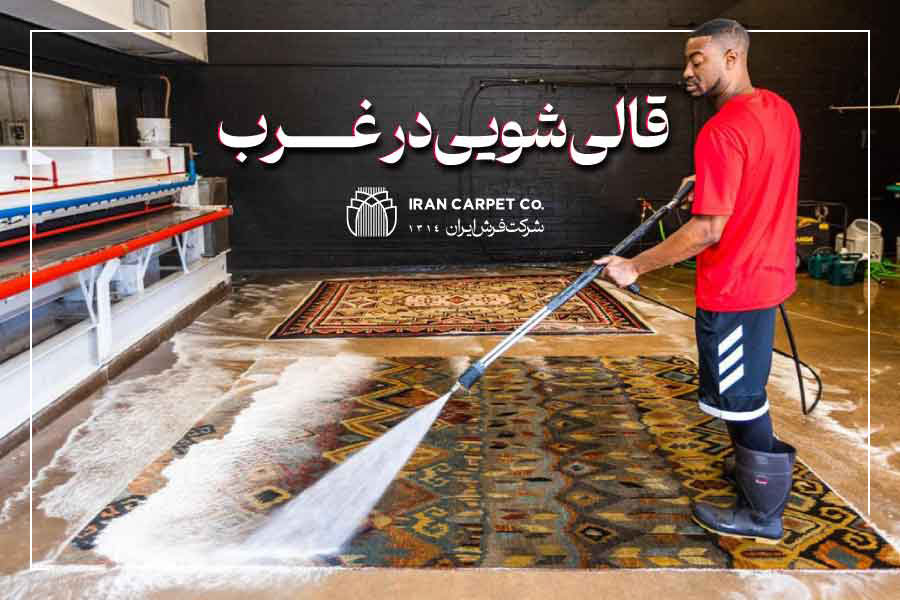
As long as carpets have existed, so too have the challenges of washing them and cleaning them properly without causing damage. Owning an Oriental carpet was a sign of success in society and in one’s profession; keeping it clean, however, was another matter.
 Carpet Knowledge22
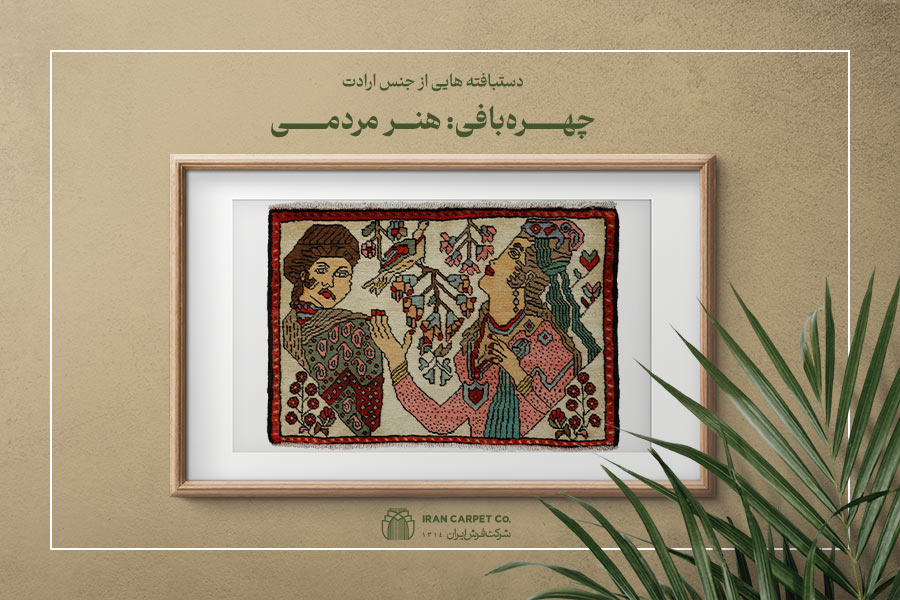
You may have seen portrait carpets like the ones in this article mocked on social media. In fact, these carpets were not woven for sale or display; they were made out of devotion to the people portrayed.