Genuine and Forged
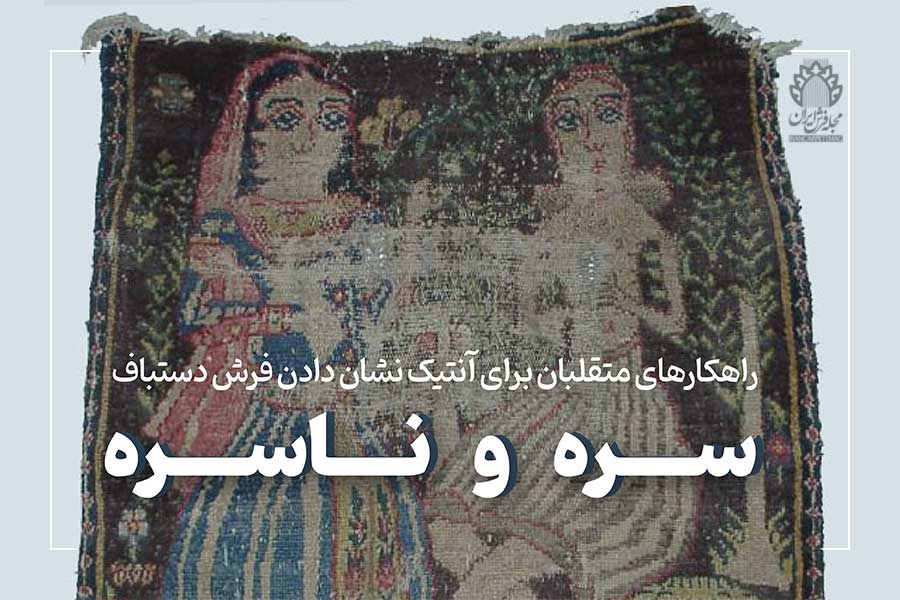
Counterfeit carpets made to look antique and aged by various methods are nothing new in the handwoven carpet market. Today’s examples, however, are so technically accomplished that they can deceive even handwoven-carpet experts—and sell for a great deal of money. But how do forgers do it?
Are there ways for lovers of antique carpets to recognize forgers’ increasingly sophisticated work and avoid being deceived? In all likelihood, yes: as forgers have become more skilled, experts have also expanded their knowledge. In the early 20th century, as museums grew and collectors became increasingly interested in acquiring antique and old handwoven carpets, fake antique-looking carpets began to appear in handwoven-carpet markets around the world. Their intended buyers were usually tourists and novice collectors, and carpet experts could easily identify the fakes. In recent years, however, the technical quality of counterfeit antique-looking carpets woven in Turkey, Iran, the Caucasus, India, and Pakistan has advanced considerably. These examples are so convincing that even connoisseurs can be fooled. They pose a real threat to the antiques market.
From the 1980s onward, restorers, dyers, and handwoven-carpet producers developed techniques for making carpets look antique. They were able to achieve such harmony in color and fiber quality that even handwoven-carpet experts could be misled. For example, to match the colors and give the wool a worn, timeworn appearance, restorers would move knots from one part of a carpet to another. In particular, if the pile was long enough, they would borrow its knots and use them in another carpet.
This is not the only way carpets have been made to look antique. Sometimes they were treated to appear older than the evidence provided by their original colors would suggest. If a carpet contains a limited amount of chemical dye, it can be completely recolored with natural dyes, then offered on the market as older than it really is—and sold at a higher price.
The high prices commanded by restored, antique-looking carpets led some restorers and producers to consider weaving a carpet from scratch in an old design, then aging it by various methods. There were, however, technical challenges to overcome. Old carpets look and feel different from new handwoven carpets made with new wool. Over time, as a carpet is walked on and exposed to light and air, its colors soften and the wool becomes more lustrous. The wool fibers loosen slightly and, naturally, take on different qualities.
Forgers therefore devised a solution. They bought inexpensive old kilims from Iran, Anatolia, and the Caucasus, unraveled their warps and wefts, and reused the yarns in a reconstructed carpet. Kilims made with undyed or naturally colored wool were even more desirable, since they could be redyed in a chosen color. The price of these kilims suddenly rose on the black market. This method, too, had its drawbacks. Years of compression and stretching diminish wool’s physical strength, so it can sometimes be impossible to unravel and knot it again into a carpet.
Even so, forgers always find a way. To straighten the wool, they hit upon boiling it. The result was softened wool that had lost its natural crimp.
Some restorers, too, take a low-value old carpet to make it look antique, undo its knots but preserve its foundation and warps. They then tie new knots onto this foundation.
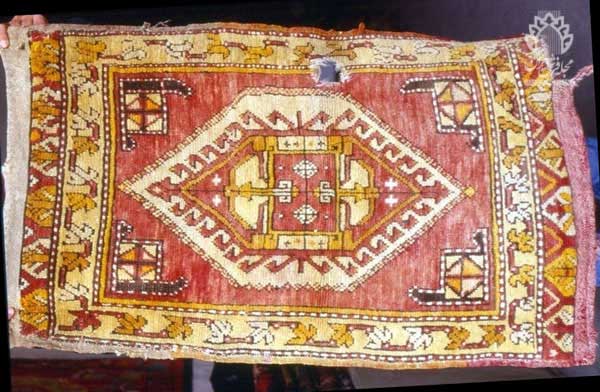
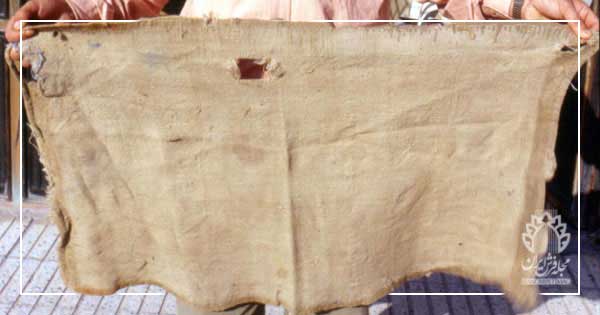 Above is an inexpensive Anatolian carpet with chemical dyes and an ordinary color palette. The image below shows the same carpet after its original knots have been removed, leaving the foundation intact.
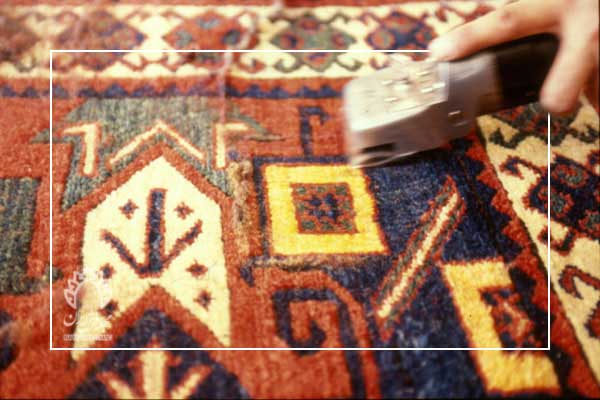
If newly woven pile looks too new, forgers age its appearance by rubbing it with a relatively smooth stone. Trimming the pile with shears would leave the cut and cross-section of the wool clearly visible, revealing that the knot is new. Rubbing it with a stone, however, evokes the look and feel of natural wear. Other methods are also used to imitate wear and make wool appear naturally aged, but we will not describe them here.
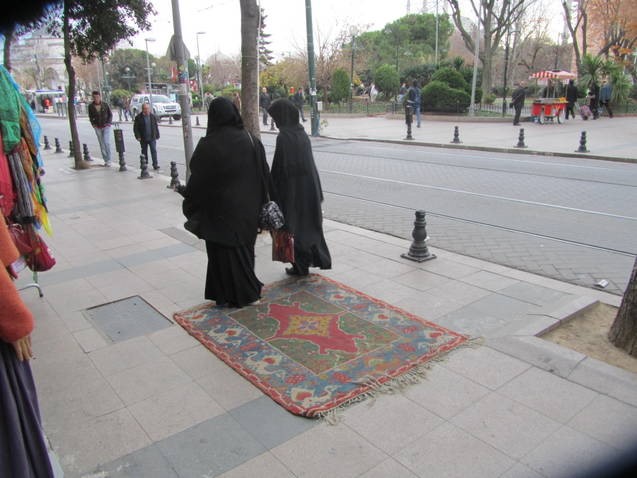
The intense summer sun is another effective tool for making a carpet look old. Carpets may be left in the sun for weeks. And if you see a handwoven carpet spread out in the middle of a pavement or street, do not be surprised: one reason for doing so is to subject it to as much foot traffic as possible, for the purposes described above.
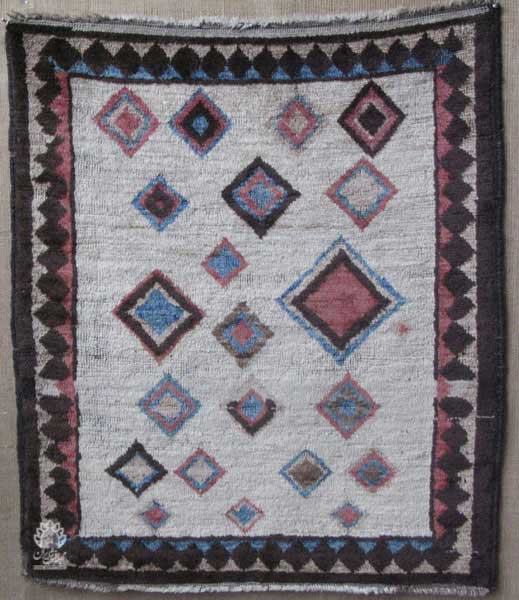
Once the forgers have finished their work, the results can be truly astonishing. The Iranian handwoven carpet pictured above, for example, fooled experts, who dated it to the late 19th century. Yet the carpet is entirely counterfeit.
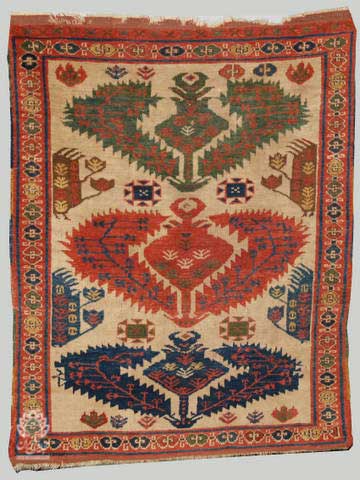 This Anatolian carpet, which experts dated to the 17th century, is also entirely counterfeit.
Are there ways for lovers of antique carpets to recognize forgers’ increasingly sophisticated work and avoid being deceived? In all likelihood, yes: as forgers have become more skilled, experts have also expanded their knowledge. The experts at Iran Carpet Company have the knowledge, skill, and tools needed to distinguish the genuine from the counterfeit. Trust their judgment.
Compiled by Dr. Davoud Shadloo Faculty member, Carpet Department, Shiraz University of Arts
Photo Album (5)
Related Reading
All Journal & Blog Carpet Knowledge
The Role of the Goat in Carpet-Weaving Traditions
Did you know how widely goats are used in weaving traditions? This article explores the goat’s role in Iranian carpet weaving—from goat hair to its place in traditional textiles and related symbols.