Artistic Forgery and the Fabrication of False Identity in Handwoven Carpets
 Illustrative image
A friend once told me that he had gone to my uncle’s carpet shop. We were drinking strong black tea from narrow-waisted glasses and talking animatedly when, all of a sudden, my uncle poured the dregs of his tea over the Turkmen carpet beneath his feet.
I asked, “What are you doing?!”
My uncle said, “Most foreigners are looking for old, worn carpets.”
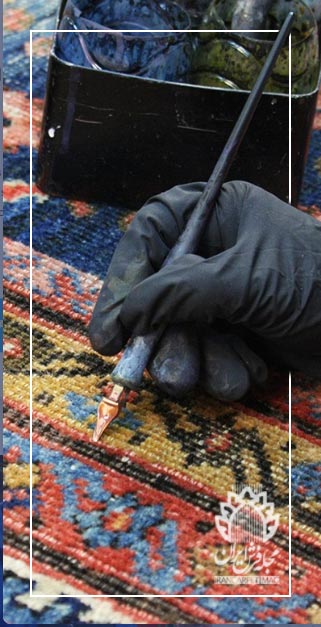
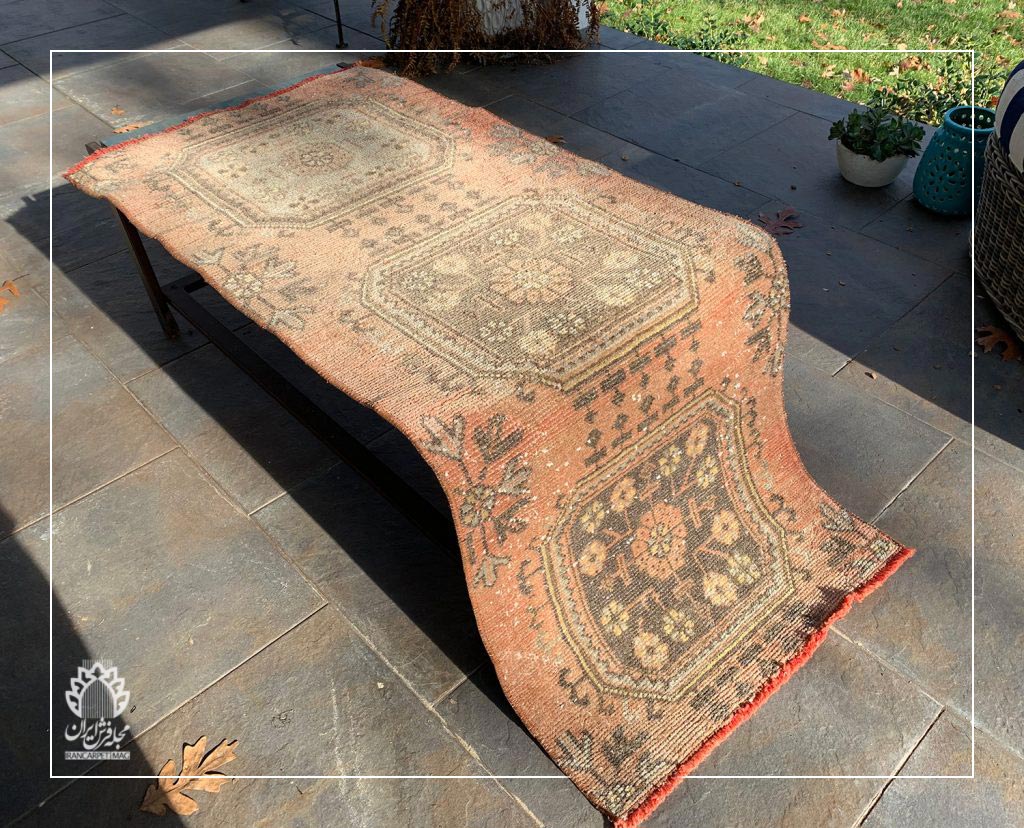
What my uncle did is one of the simplest ways to make a carpet look old, though it is not quite as straightforward as the story makes it sound. Even so, the various techniques used to give handwoven carpets an aged appearance have a long history that has received little scholarly attention. From washing carpets with tea and plant extracts to cleaning them with chemicals, and even hand-painting knots to create shading—as discussed earlier in our article “Genuine and Spurious”—these are all methods restorers use to age carpets. There is nothing wrong with them when used with the customer’s knowledge and consent; but if done without the customer’s knowledge, in an attempt to pass a carpet off as an antique, they constitute forgery.
 Illustrative image
Among the best-known figures to artificially age handwoven carpets using a variety of methods was the Romanian carpet weaver and restorer Theodor Tuduc (1888–1983). According to reports and accounts, he used stones from riverbeds to abrade and distress Transylvanian handwoven carpets. He became so skilled at the practice that some European museums mistakenly purchased Tuduc’s newly woven, artificially aged carpets and kept them in their collections of antique rugs. In addition to Transylvanian carpets, Tuduc also aged examples inspired by Anatolian types (Lotto, Chintamani, and others) and Egyptian Mamluk carpets.
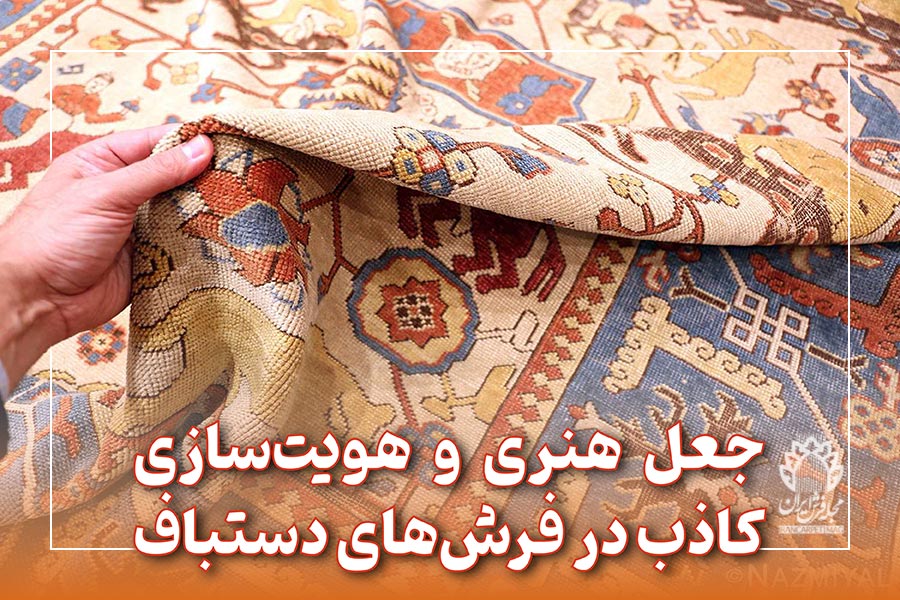
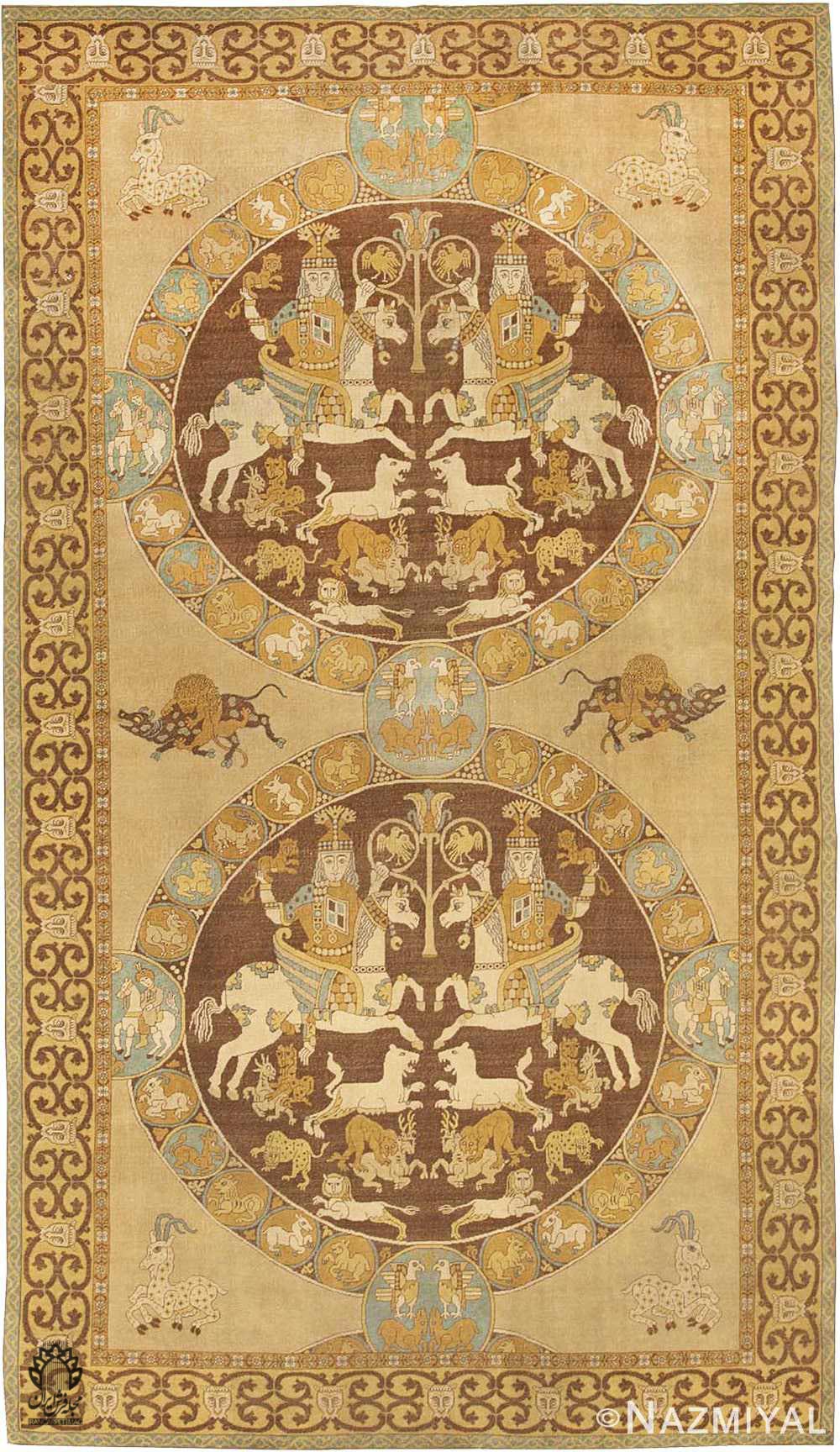 Woven in Turkey in 1900, inspired by the designs and motifs of Persian carpets, this carpet was aged by Theodor Tuduc and is now held in the Nazmiyal Collection
Tuduc was, indeed, a master restorer. Forging high-quality antique carpets was his art: collectors, museum curators (including those at institutions such as the Victoria and Albert Museum and the Metropolitan Museum of Art), carpet dealers, and auction houses around the world had all been taken in by him at least once. Researchers and collectors such as James Ballard, M. S. Dimand, and Ulrich Schürmann had fallen in love with his fakes. Though initially dismissed as frauds, these carpets gradually came to be valued by collectors for the exceptional skill involved in their making, and some sold for tens of thousands of dollars at international auctions.
 Stefano Ionescu
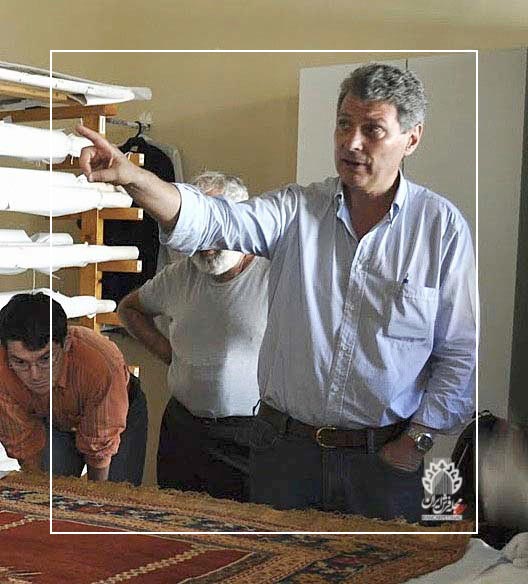
The Transylvanian researcher Stefano Ionescu has studied Tuduc’s fake carpets for more than a decade. He searched collections in Transylvania, Bucharest, New York, Toronto, and London to identify carpets artificially aged by Tuduc, and presented the results of his research in an interactive workshop in 2012. At the workshop, Ionescu asked participants to guess whether a carpet was genuinely antique or had been artificially aged by Tuduc. Through this exercise, participants learned what evidence can be used to distinguish antique carpets from fakes.
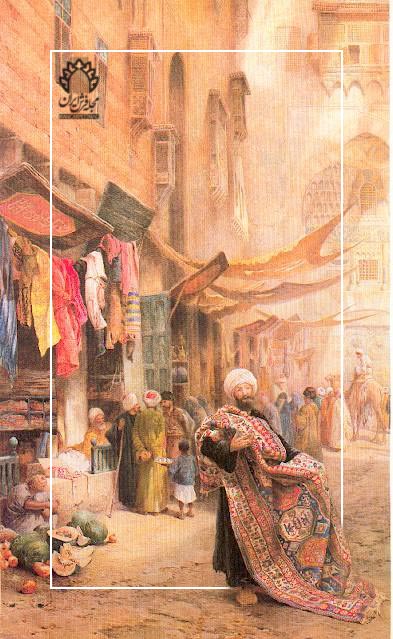 Carpet seller in the Cairo bazaar, by Charles Robertson, 1880
Western adventurers and Orientalists who traveled to the East also described in their travel accounts some of the methods they had seen there for aging Eastern carpets. For example, in a 1910 article titled “Persian Bazaars,” the French diplomat and Orientalist Eustache de Lorey wrote: “In Persia, I saw a clever carpet seller who had found a way to make new handwoven carpets look old. He placed them in the smoke of a fire made with particular plants, which wore down the fibers and faded the carpet’s colors. It is very difficult to distinguish a carpet aged by this method from a genuine antique. The usual way of aging a carpet—which is very common in Persian markets—is to spread it out in the street so that every passerby and animal can walk over it.” De Lorey was, of course, an Orientalist, and, like many Orientalists, he sometimes drew strange and mistaken conclusions from what he saw. Consider, for instance, the English Orientalist painter Charles Robertson, who depicted a carpet seller in Cairo’s bazaar selling a Caucasian carpet. Yet we know that Caucasian carpets had not reached the Cairo market at that time (1880), so the entire scene was probably a product of the painter’s imagination. Orientalists’ works and accounts should therefore always be examined carefully, and not treated as definitive.
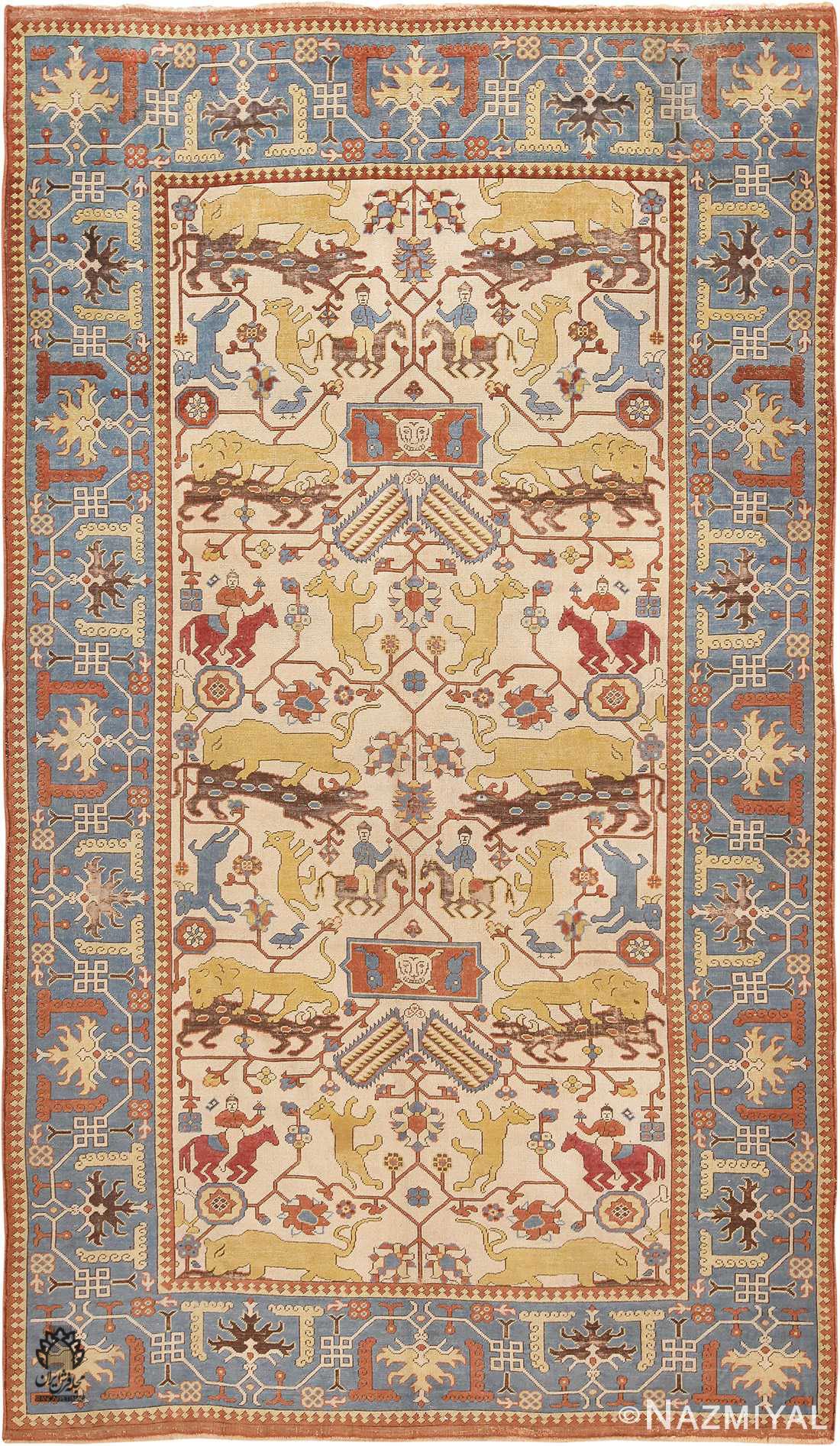 Woven in Turkey in 1900, inspired by the designs and motifs of Persian carpets, this carpet was aged by Theodor Tuduc and is now held in the Nazmiyal Collection
In any case, the question remains: why is artificially aging handwoven carpets—whether or not the buyer knows about it—a part of the carpet trade? One possible reason is that many people in the West consider the colors of newly woven Eastern carpets too bright and intense. Antique carpets, worn by use and with their colors softened to some degree, better suit their tastes. Artificially aging newly woven carpets may therefore be a way to improve their chances of selling.
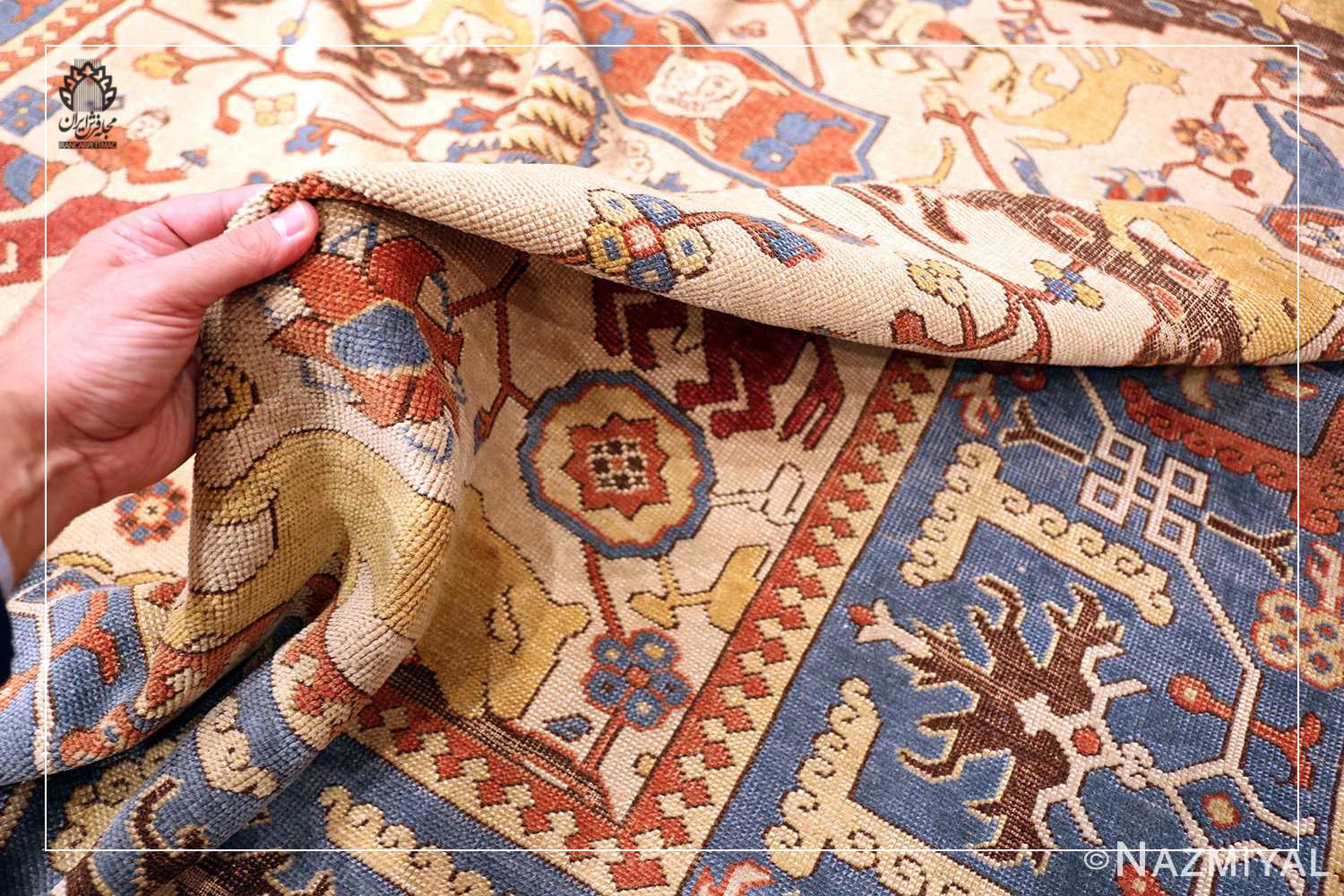 Woven in Turkey in 1900, inspired by the designs and motifs of Persian carpets, this carpet was aged by Theodor Tuduc and is now held in the Nazmiyal Collection
Another answer may lie in the value that handmade goods and crafts have acquired in the West in recent years. In today’s modern societies, many objects lose their value as they become worn and old. Yet, although humanity has made great advances, people today face a crisis of identity and authenticity. They still seek authenticity in antiques, using these old objects to display their family histories and present themselves as people with deep roots and a distinguished heritage.
Dr. Davood Shadloo Faculty Member, Department of Carpet, Shiraz University of Arts
Related Reading
All Journal & Blog Research Articles
Symbolism of the Neyriz Tree Carpet
Among researchers, Neyriz tree carpets are known as “three-trunk” carpets, since the tree’s trunk is formed from three sections, sometimes aligned uniformly and sometimes arranged unevenly. Read more about this carpet in this article.