
Research Articles
A Two-Hundred-Year-Old Carpet in an Abandoned Attic
Apr 30, 20225 min readIran Carpet Company

Handwoven carpets made by the world’s poorest people, coveted by the world’s richest...
Modern city dwellers become enchanted by the art of nomads...
Tradition and modernity set against one another...
Greedy carpet dealers and avaricious brokers...
These are the central themes of stories and films written and made about carpets. Such tropes have become tired clichés, losing their appeal. Although the world of Oriental carpets is wonderfully imaginative, few novels about it have been written in English or Persian. Most stories about carpets and carpet weaving revolve around the weavers’ hardships, leaving out the magical world of Oriental carpets. For readers weary of clichés, then, novels that approach carpets from a different perspective make for compelling reading. Here we look at three novels that, to varying degrees, explore the subject from a different point of view. In summarizing each story, we have kept to the broad outlines, leaving the details unrevealed for interested readers.
The first novel is When the Dragon Winks by Emmett Eiland, an American carpet dealer and writer. It is an engaging and humorous novel about the carpet trade and its dealers. The story follows Holden Carter, a young carpet dealer with a shop in San Francisco, as he tries to learn the ins and outs of the business and expand his trade. At the same time, a con artist befriends Holden, hoping to learn his trade secrets and become his rival. Then a rumor begins to circulate among carpet dealers: it concerns an exceptionally rare Chinese carpet bearing a dragon design. Everyone says it exists, but no one has ever seen it. Whoever acquires this carpet will have found a veritable treasure, and their life will be transformed. The competition among carpet dealers to obtain the dragon carpet provides Eiland with the premise for his novel. As a carpet dealer himself, Eiland knows the rivalries, underground networks for buying and selling carpets, and auction houses of the United States; the result is an engaging, witty novel.
At one point in the novel, Holden Carter says: “Nothing is more wonderful than finding a two-hundred-year-old carpet in an old attic. Oriental carpets are full of mystery, like magic carpets or flying carpets... Most of these carpets have survived long enough to grow very old, and the older a carpet gets, the more valuable it becomes.”
Another novel we consider is The Carpet Merchant by Meg Mullins. Its central character, Osman Khan, is a well-known carpet dealer who leaves his mother and wife behind in Iran to build his business in the United States. Gradually, he becomes known among New York’s wealthy and gains a loyal clientele. Once his business is established, he begins looking for a way to bring his wife to America. But he discovers that she has left him for a carpet dealer from Turkey. New York turns bleak and desolate for Osman Khan. He is also grappling with other difficulties in America, from homesickness to cultural differences, all of which deepen his depression. His hellish existence continues until he meets a student named Stella... In 2002, the novel was included on a list of America’s best novellas of the year.
The third book is Blood of the Flowers by the Iranian-American writer Anita Amirrezvani. Set in the Safavid period, it tells the story of a fourteen-year-old girl who lives happily with her parents. For pleasure, she has learned to weave carpets from her mother, and she weaves one herself. Her father’s untimely death changes her and her mother’s lives. They are forced to move to Isfahan, where they enter domestic service in the lavish home of an acquaintance. The girl tries to put her carpet-weaving skill to use, build up some savings, and turn these difficult circumstances to her and her mother’s advantage.
As an Iranian who has seen the carpet trade at close hand and knows it well, Amirrezvani describes with journalistic precision the process from preparing the loom for weaving through to the carpet’s finishing. She also depicts the conditions in Safavid-era carpet-weaving workshops and takes us to the carpet bazaar of Isfahan. The novel was translated into Persian by Nazila Daryai.
Several Persian-language novels have also been written with carpets as their subject and central theme. We will turn to them in a separate article in the future.
Compiled by: Dr. Davoud Shadloo Faculty member, Carpet Department, Shiraz University of Arts
 Research Articles
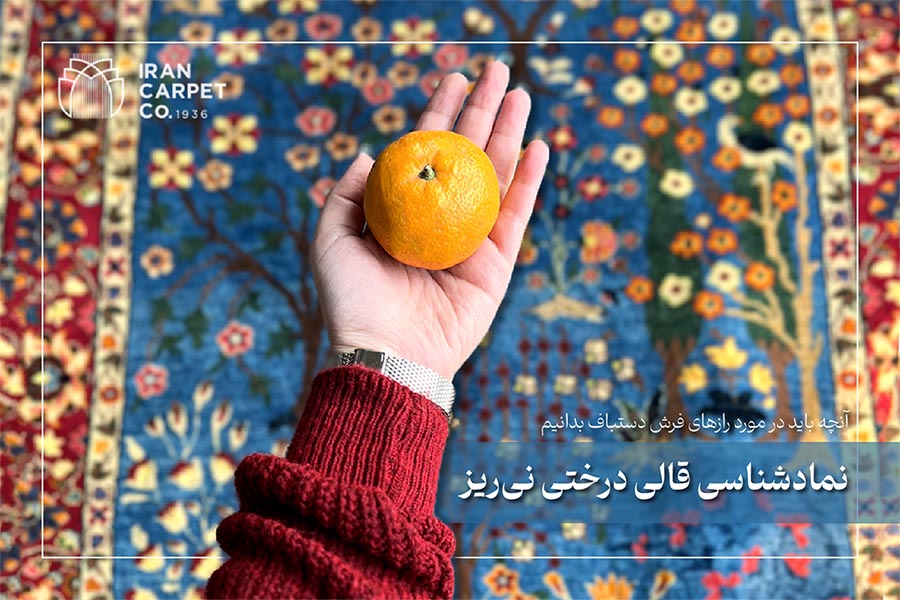
Among researchers, Neyriz tree carpets are known as “three-trunk” carpets, since the tree’s trunk is formed from three sections, sometimes aligned uniformly and sometimes arranged unevenly. Read more about this carpet in this article.
 Research Articles6
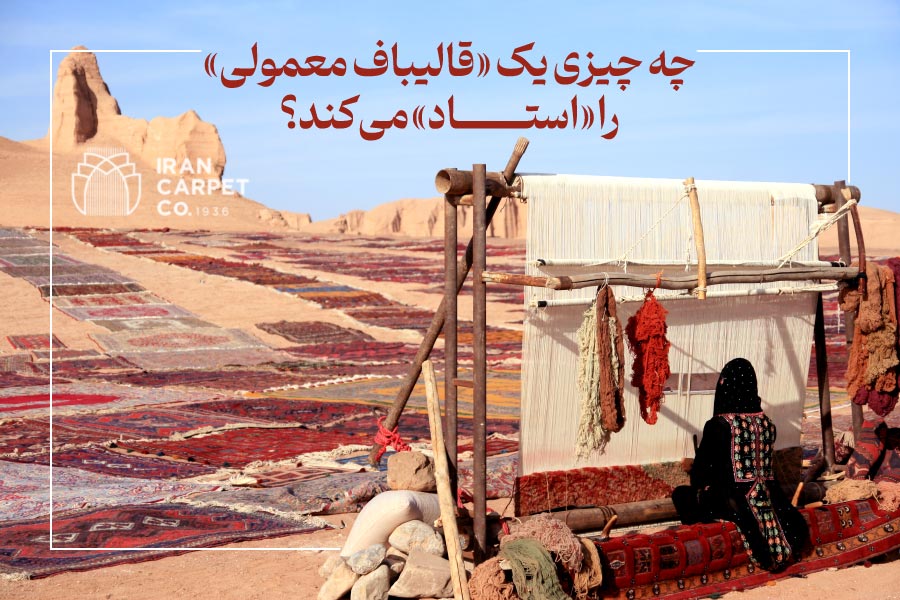
Magnificent Persian carpets, with their captivating creativity, have the power to transform an interior into something almost magical. Yet few names of master weavers whose work is of exceptional quality have endured. What makes a carpet weaver a true master?
 Research Articles23
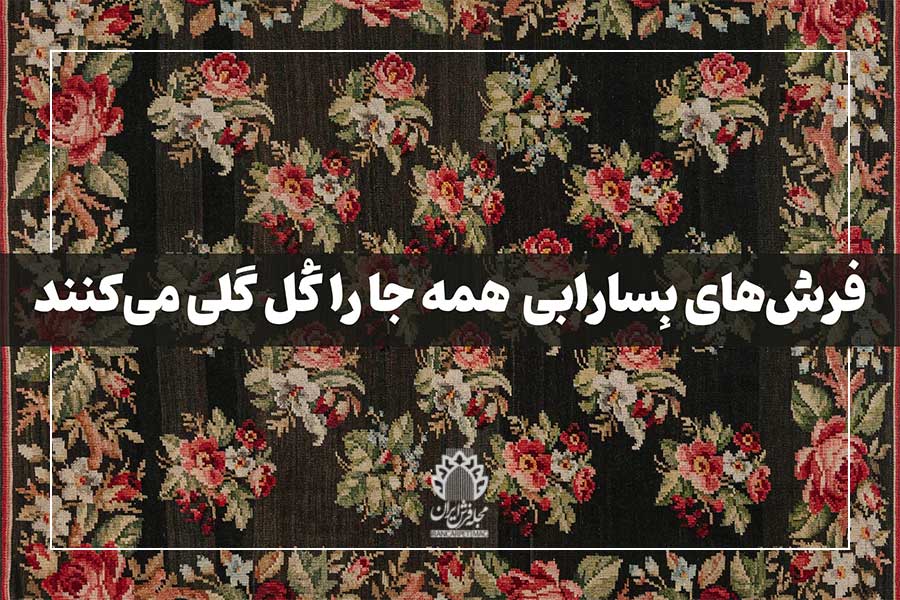
Bessarabia is a region in southeastern Europe, north of the Caucasus Mountains in southwestern Russia. It borders Romania to the south and the Black Sea to the east, and lies between the Prut and Dniester rivers.