
Research Articles
A Stone Carpet at the Heart of Global Carpet Trade
Apr 25, 20223 min readIran Carpet Company
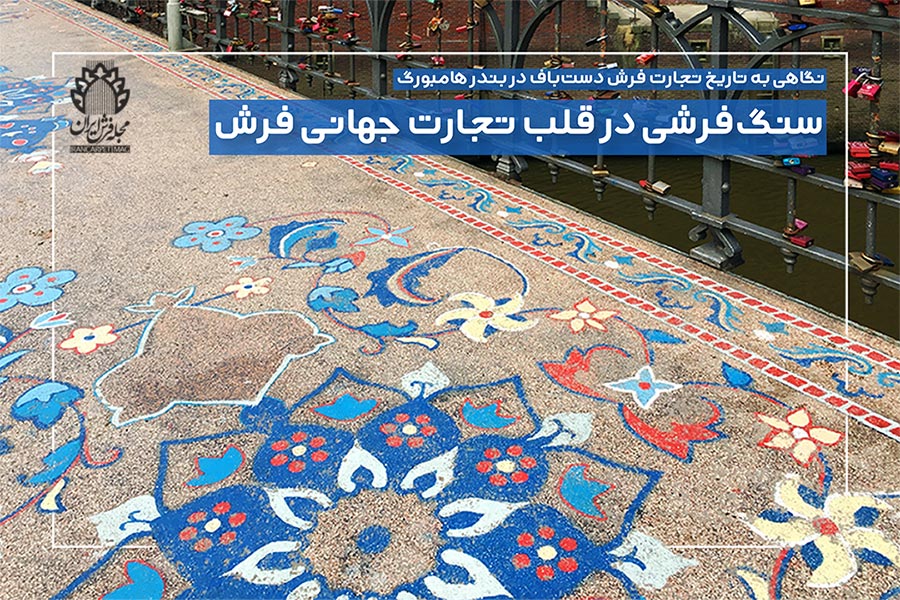
Few people around the world know that the Port of Hamburg in Germany was once one of Europe’s largest trading hubs—and the heart of Europe’s trade in Oriental carpets. The port is historically significant: it was, and remains, an entry point for handwoven carpets arriving in Europe from the East, and a point of onward export to America. Though the port is no longer as busy as it once was, one-third of the world’s carpets still pass through Hamburg each year, along with goods such as tea, coffee and even computer components. Until recently, only people in the carpet trade knew of the port’s pivotal role in this commerce. In recent years, however, the City of Hamburg has sought to present this history as a tourist attraction—and with such success that today visitors to Hamburg are keen to see the former carpet warehouses and learn about the port’s history of carpet trading.
 Cross-sectional view of the Speicherstadt, 1888
The visit begins in the port’s warehouse district: an extensive complex of warehouses built along a maze of waterways in the late nineteenth century. This area is known as the Speicherstadt. Its red-brick warehouses, with their turrets and pitched roofs, may look centuries old, yet they are still used to store goods. Visitors explore them aboard motorboats. The port and its warehouse buildings were inscribed on the UNESCO World Heritage List in 2015.
 The Speicherstadt in the Port of Hamburg
At the heart of the Speicherstadt stands Wilhelminen Bridge, its paving laid out in the design of an Oriental carpet. Signs at either end warn visitors wearing high heels to take care not to trip if they step onto the carpet. This stone carpet measures 5.37 metres long, 2.45 metres wide and 1 centimetre high.
Its creator, Frank Randschen, says: “The purpose of this design is to acquaint people with the importance of the Oriental carpet trade in the Port of Hamburg. Beyond their economic value, Oriental carpets possess great aesthetic worth and remain among the world’s most magically compelling objects.”
This stone carpet is not the only tribute to Oriental carpets, 3.6 million square metres of which arrive at the Port of Hamburg each year. Several museums in the Speicherstadt also introduce visitors to the remarkable variety of goods once imported and exported through the port, including coffee sacks and more than fifty kinds of spice, which visitors can see and smell. Yet perhaps the port’s most compelling sight is not inside a museum, but unfolding before the eyes of visitors and carpet enthusiasts right there in the port. Despite extensive modernisation and upgraded equipment, dockworkers still use old pulleys and tools to move bales of carpets from below the waterline to the upper floors. The carpets remain in storage until they are sold to retailers around the world. Every day, history repeats itself at this port.
Compiled by: Dr Davoud Shadlou Faculty member, Department of Carpet, Shiraz University of Arts
 Research Articles
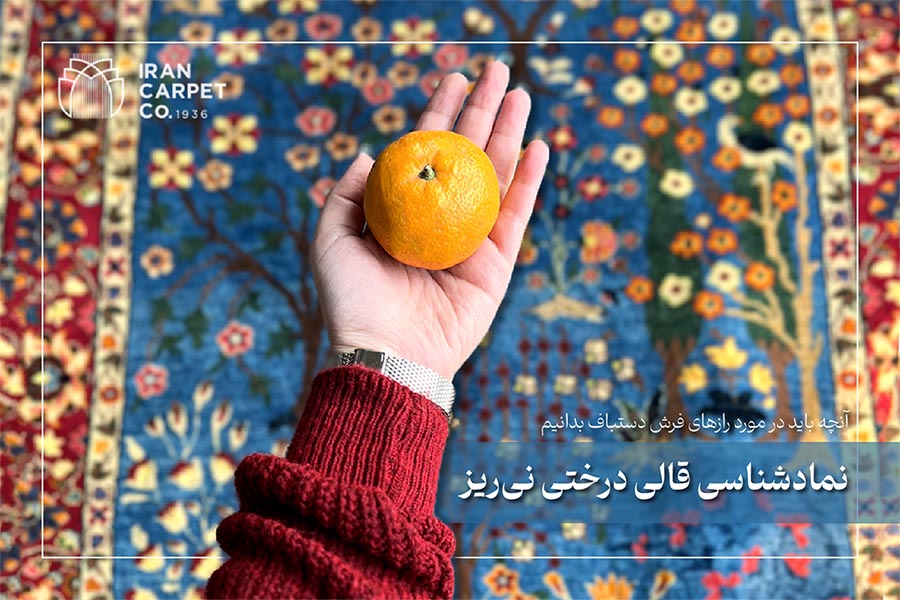
Among researchers, Neyriz tree carpets are known as “three-trunk” carpets, since the tree’s trunk is formed from three sections, sometimes aligned uniformly and sometimes arranged unevenly. Read more about this carpet in this article.
 Research Articles6
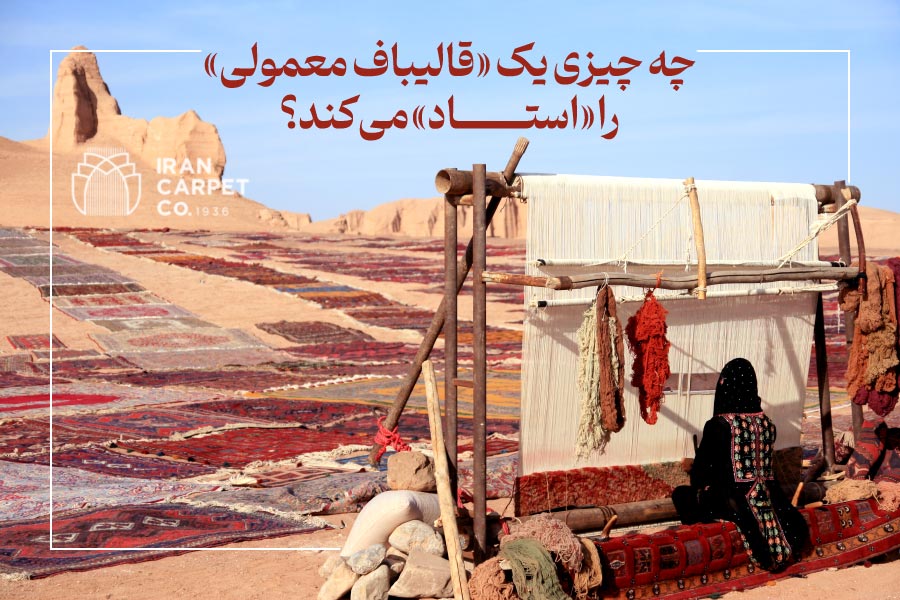
Magnificent Persian carpets, with their captivating creativity, have the power to transform an interior into something almost magical. Yet few names of master weavers whose work is of exceptional quality have endured. What makes a carpet weaver a true master?
 Research Articles23
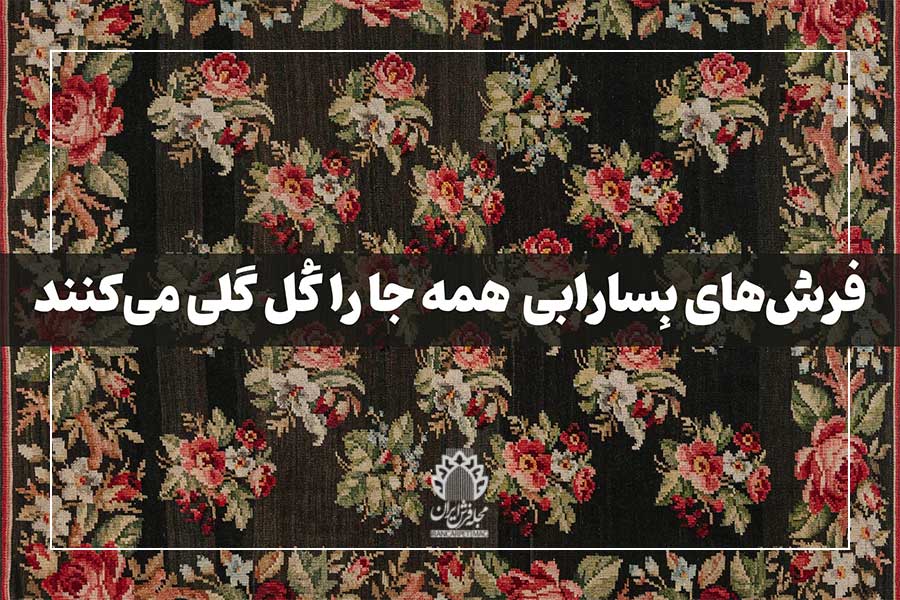
Bessarabia is a region in southeastern Europe, north of the Caucasus Mountains in southwestern Russia. It borders Romania to the south and the Black Sea to the east, and lies between the Prut and Dniester rivers.