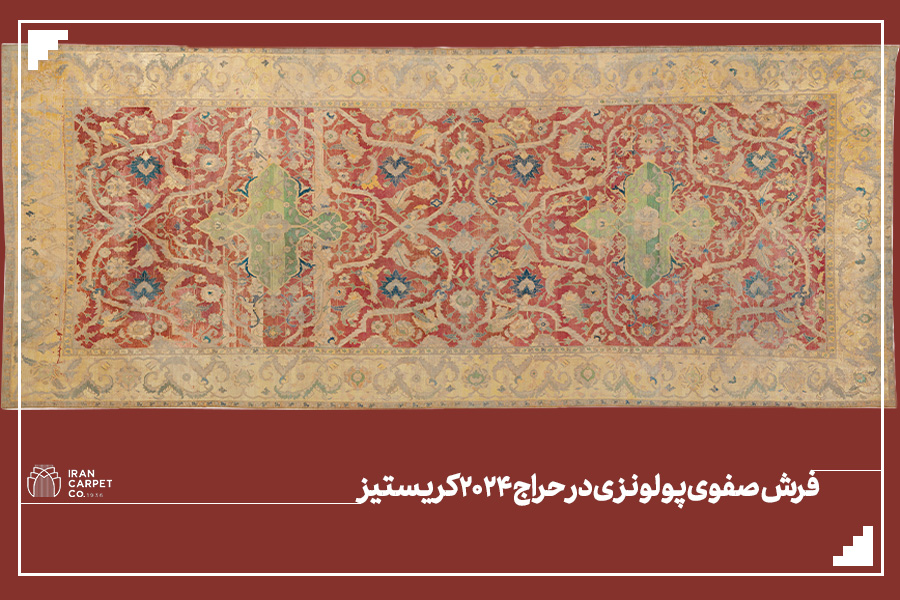
Why Is This Red Safavid Court Carpet a “Collector’s Dream”?
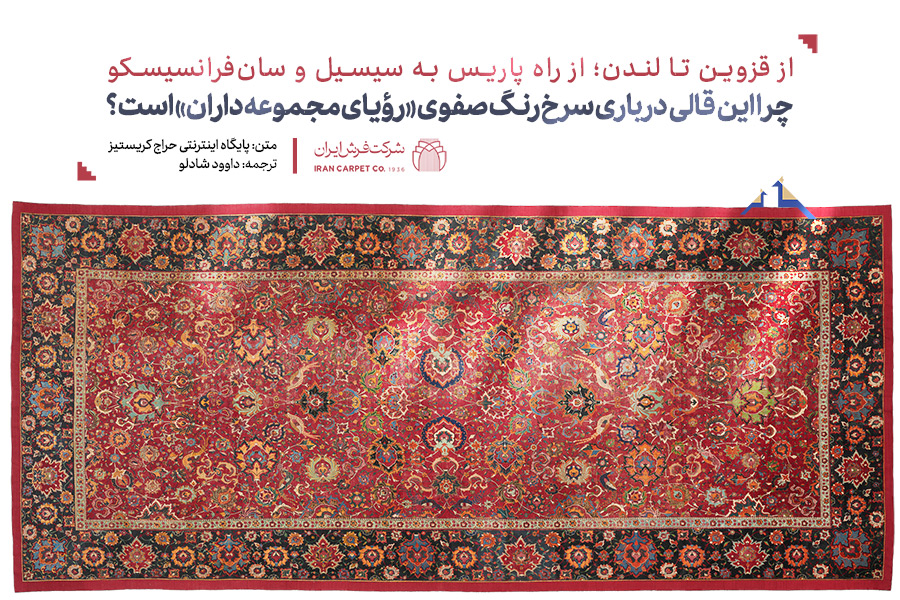
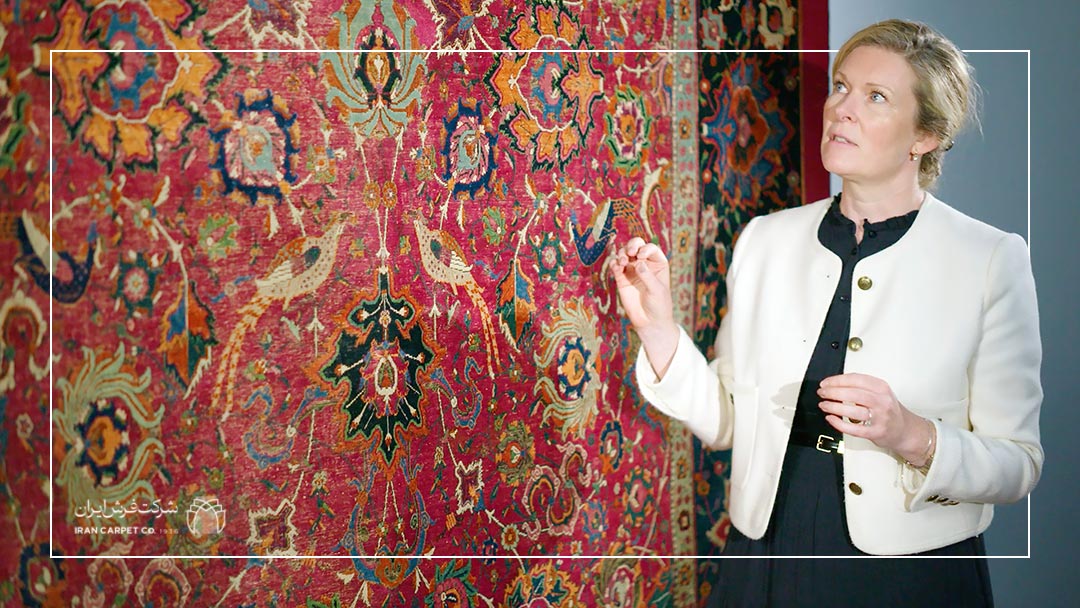
Louise Broadhurst, Head of Carpets and Rugs at Christie’s, says: “In the 19th century, carpets were rare and expensive objects, accessible only to the very wealthy. Offered at Christie’s in October 2023, this red Safavid carpet was woven in Iran in the 16th century and entered the collection of Baron Edmond James de Rothschild (1845–1934) around 1876.”
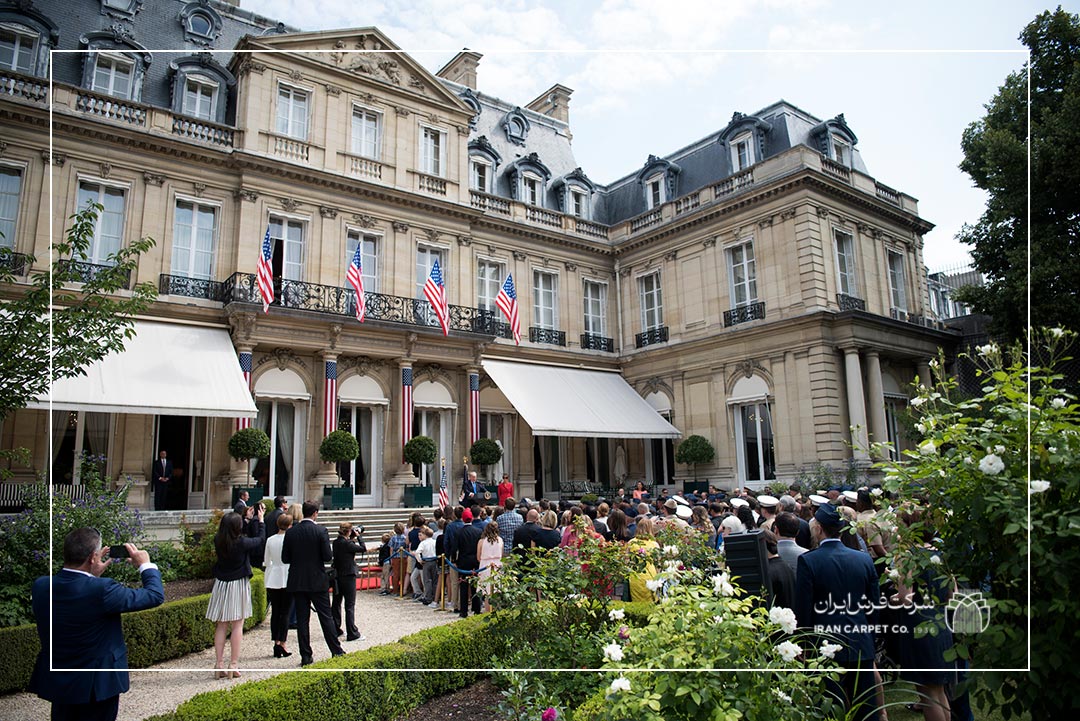 Hôtel de Pontalba
The story of this carpet begins in this house: Hôtel de Pontalba, a grand residence on the Rue du Faubourg Saint-Honoré in Paris, overlooking the Champs-Élysées. Today, it is the residence of the United States Ambassador to France. During France’s Second Empire, however, it belonged to the celebrated banker Baron Edmond James de Rothschild and his wife, Adelaide (1853–1935). A gilded mansion filled with countless treasures.
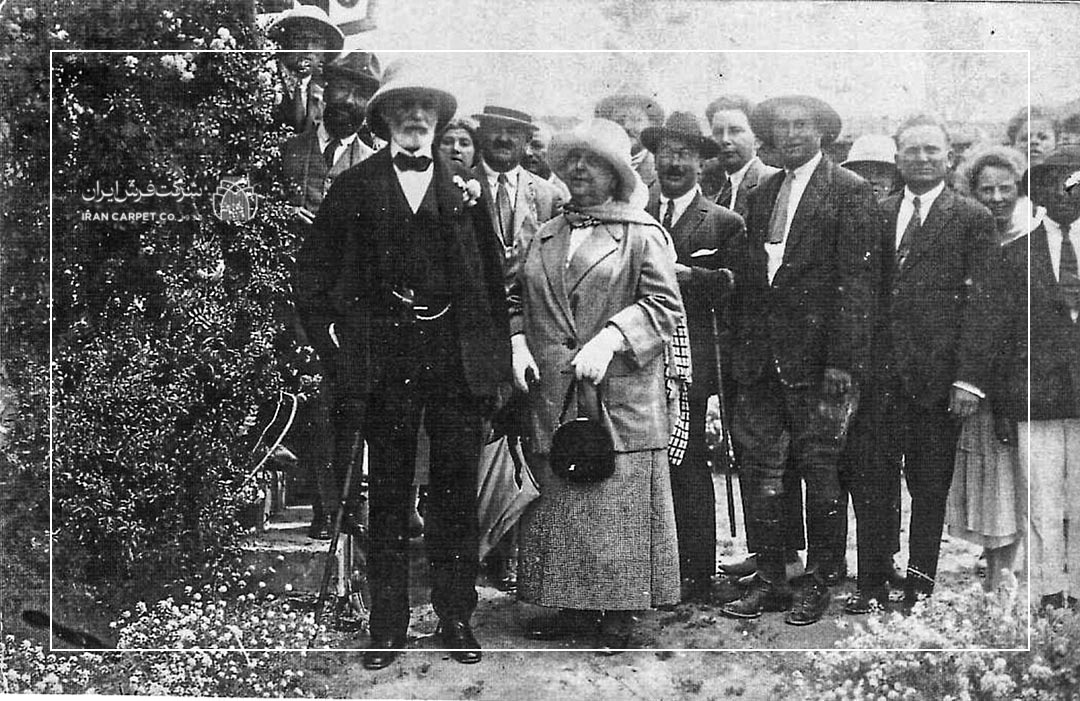 Baron Edmond James de Rothschild and his wife Adelaide, from left
The great rooms of the Rothschild mansion, furnished to the taste of the baron and his wife, held Dutch paintings, Chinese porcelain, Flemish tapestries and a precious collection of Oriental carpets. One of these was the red Safavid court carpet, which was to be offered at Christie’s in London on 26 October. Louise Broadhurst describes it as “this exceptional survivor! This masterpiece! Woven in the royal Safavid workshops in Qazvin between 1565 and 1575, during the reign of Shah Tahmasp I (1514–1576).”
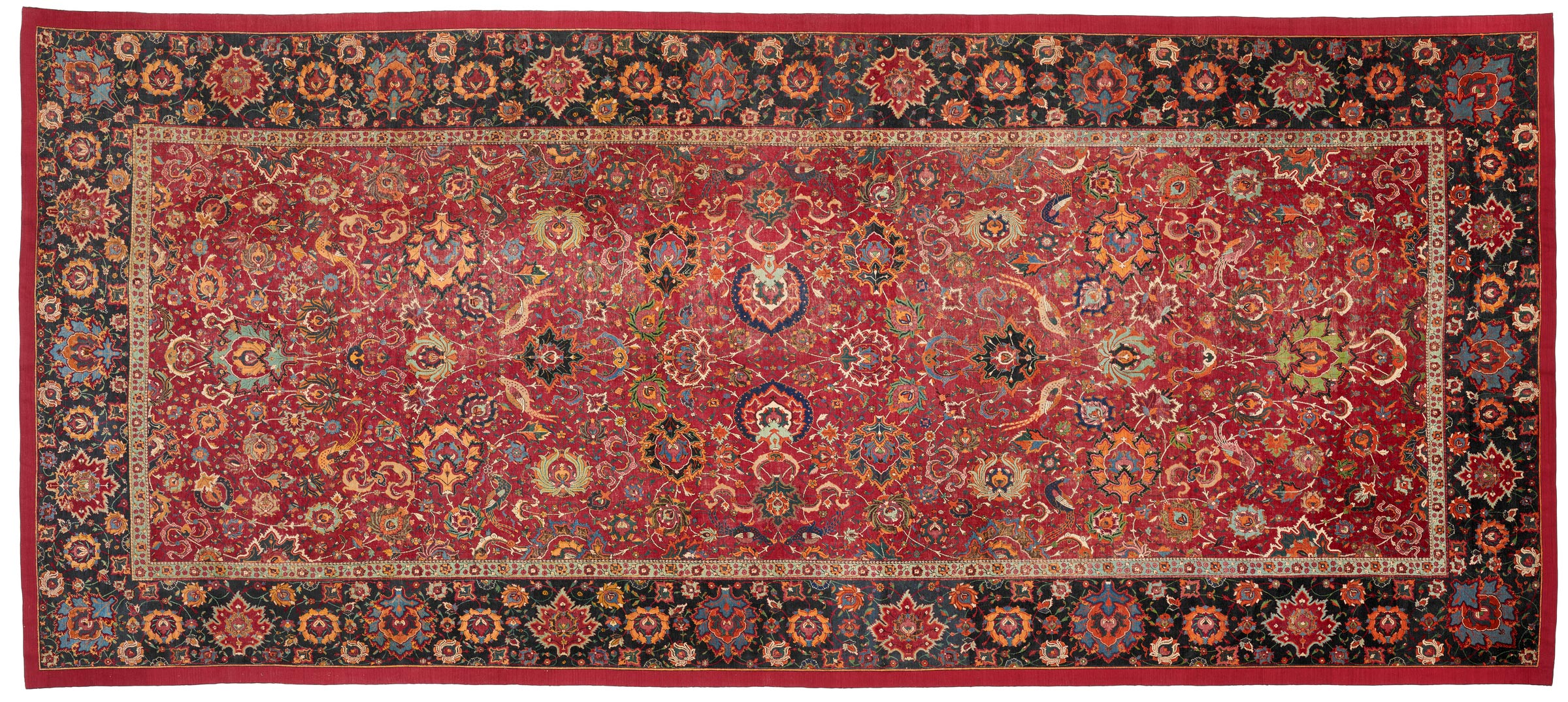 Safavid court carpet, probably Qazvin, northern Iran, circa 1565–1575. 16 ft 9 in by 7 ft 3 in (517 × 225 cm). Estimate: £2,000,000–£3,000,000
Pheasants appear amid the curling, interwoven vine branches, palmettes and floral pendants. Remarkably, the carpet’s 17 rich colours have endured for more than 400 years—a testament to the exceptional sophistication of Safavid dyeing.
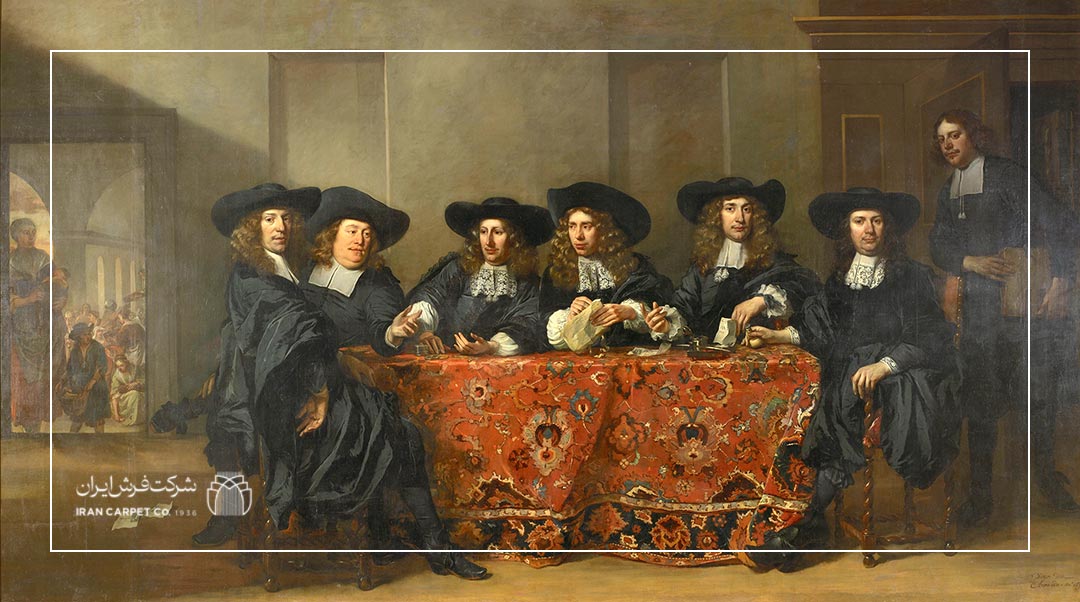 Six Regents Distributing Alms to the Poor, by Pieter van Anraedt (1635–1635), Amsterdam, 1675. Oil on canvas. 237 × 425 cm
Although carpets of this kind were originally woven for Safavid palaces, they also found their way into European courts and aristocratic homes, becoming prized possessions. Seventeenth-century portraits of European aristocrats by Dutch and Flemish painters often feature Persian carpets as symbols of wealth and high social standing.
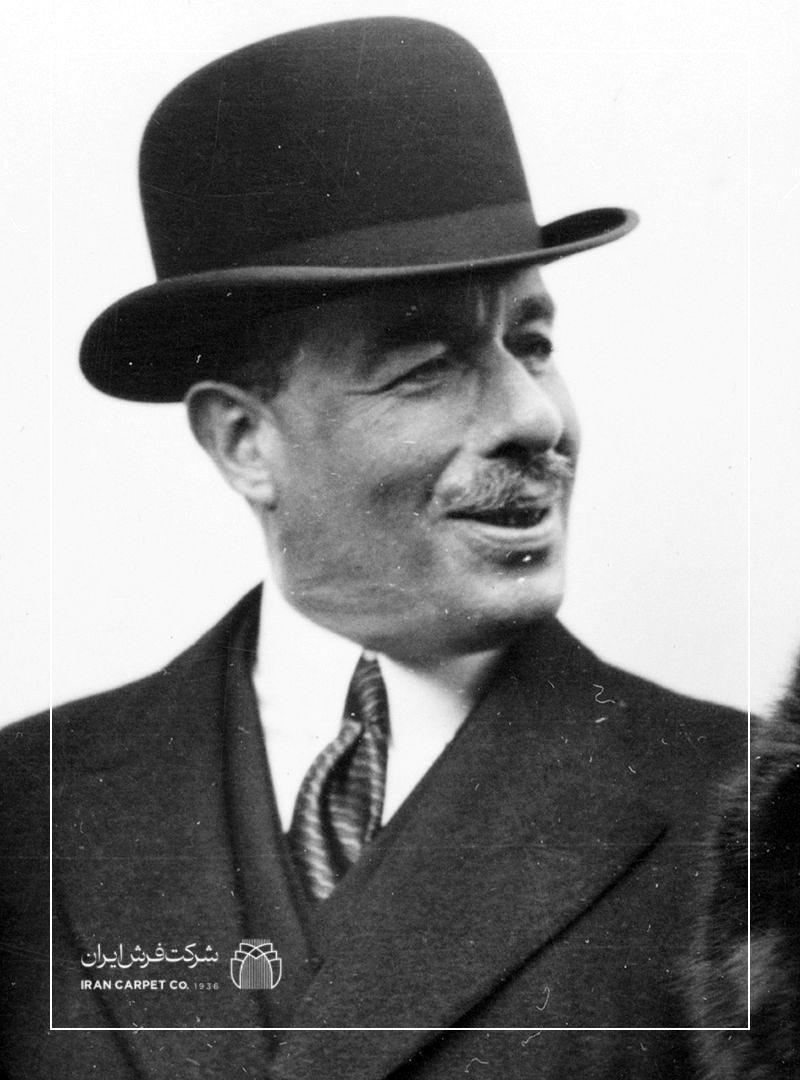 Joseph Duveen
Rothschild is thought to have bought the carpet from the art dealer Sir Joseph Duveen around 1876. Duveen acted as an agent and adviser to industrialists and collectors such as Frick, Rockefeller, Rothschild and Vanderbilt. When Edmond de Rothschild died in 1934, many of his treasures—including 40,000 paintings by Old Masters—were donated to the Louvre in Paris. Hôtel de Pontalba, however, remained part of the Rothschild estate, although during the Second World War it was used by Hermann Göring as a Luftwaffe officers’ club.
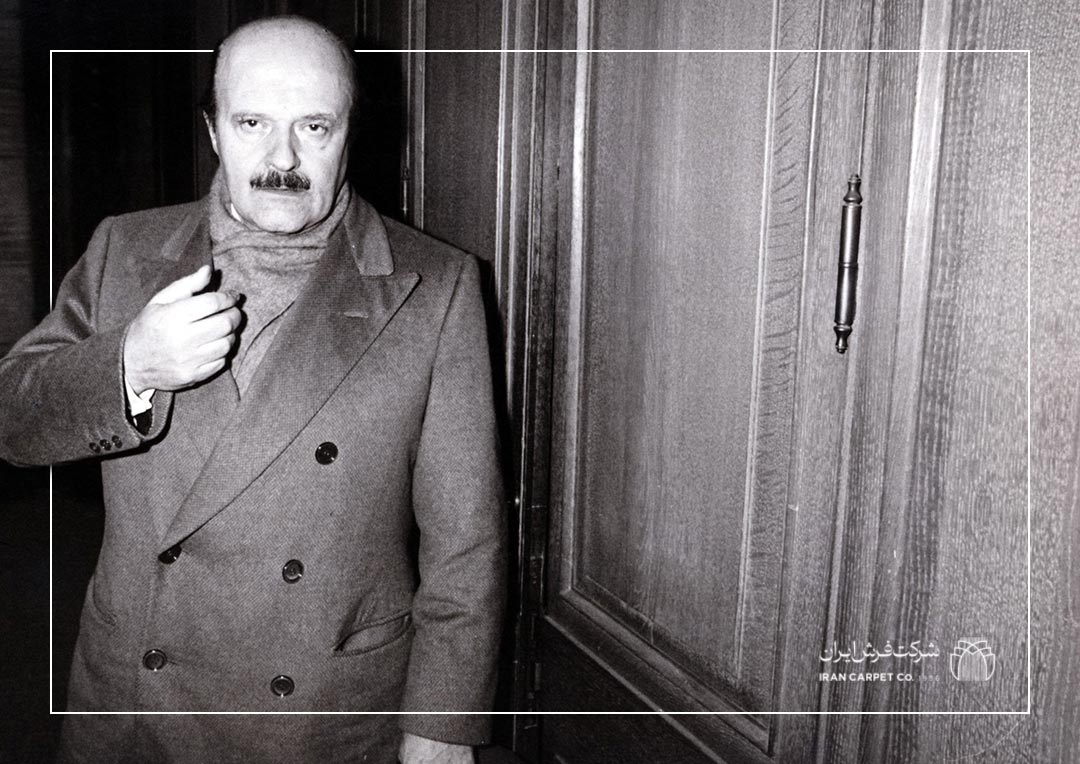 Roberto Calvi
The carpet was also sold in the 1970s, about three decades after the United States diplomatic mission in Paris purchased Hôtel de Pontalba. Its first owner after that was Roberto Calvi, an Italian financier and Freemason known as “God’s banker,” who died mysteriously in 1982.
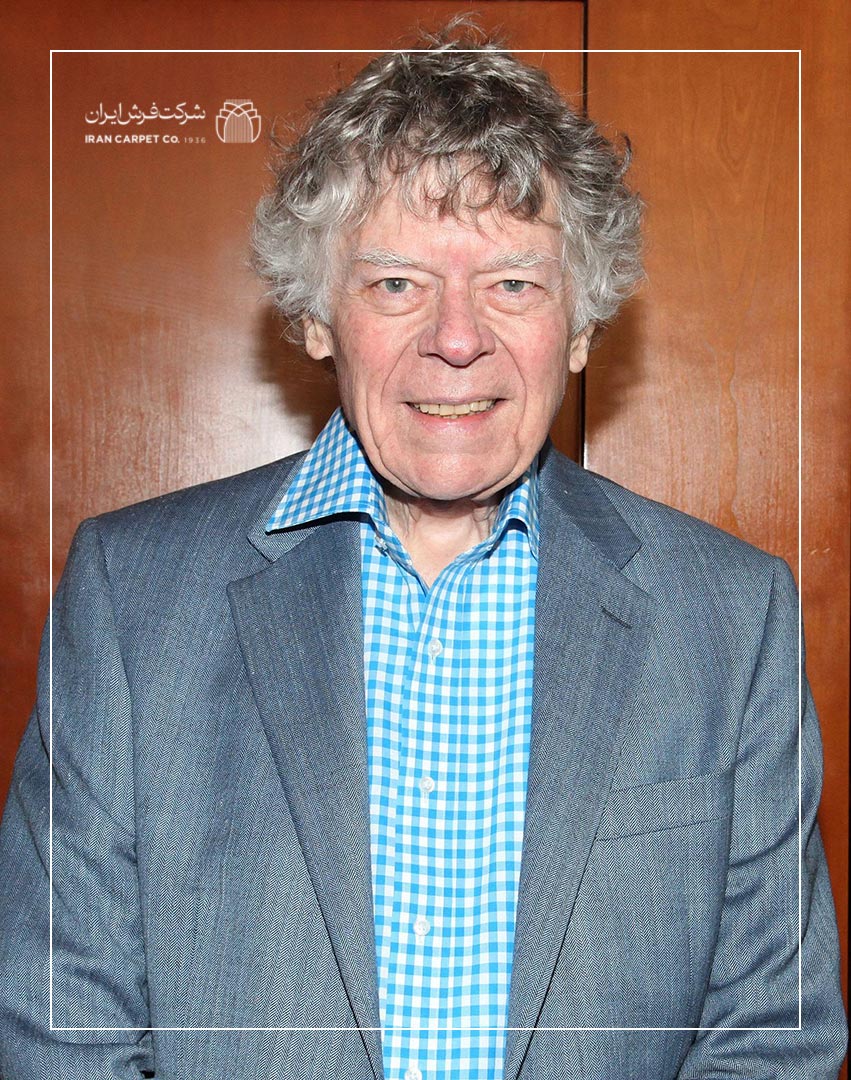 Gordon P. Getty
It was later bought by Gordon P. Getty, an American businessman and composer. Louise Broadhurst calls carpets the collectors’ dream, adding: “Carpets bring a collection to life; they have a story behind them that perhaps other works of art cannot tell in quite the same way.”
Text: Christie’s website Translation: Davoud Shadloo
Photo Album (2)
Related Reading
All News & Reports Carpet Industry News10
A Crimson Kashan Carpet in Pope Francis’s Meeting Room
At the Vatican, a longstanding tradition calls for fine Persian carpets to be used at important official ceremonies. Among the most notable examples is their use at formal meetings and even at papal funerals.