
Regional Weaves
The Qashqai Carpet: Jewel of Fars Handwoven Textiles
Sep 15, 20238 min readIran Carpet Company
The weavers of the Qashqai tribe are among the foremost nomadic carpet weavers in Iran—and perhaps the world. Qashqai carpets have secured the tribe’s place in the history of world civilization and culture. The vivid, free-flowing visions that the nomadic women of this great tribe have woven across their textiles are without equal.
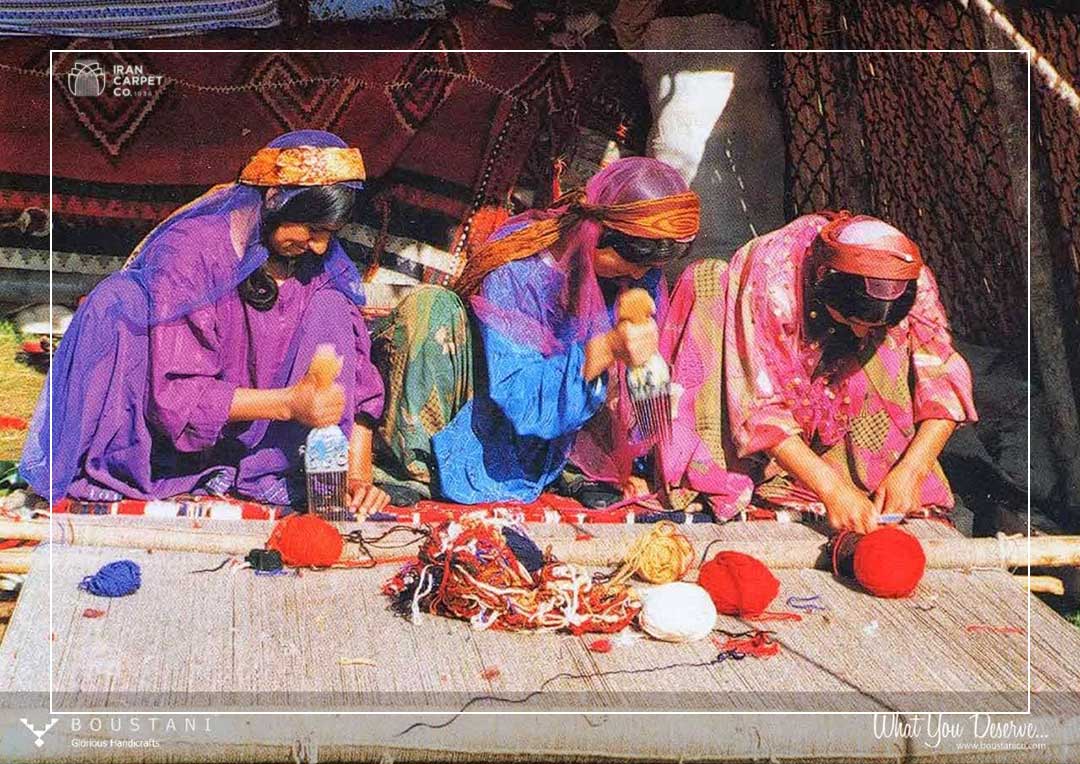
Qashqai Carpets
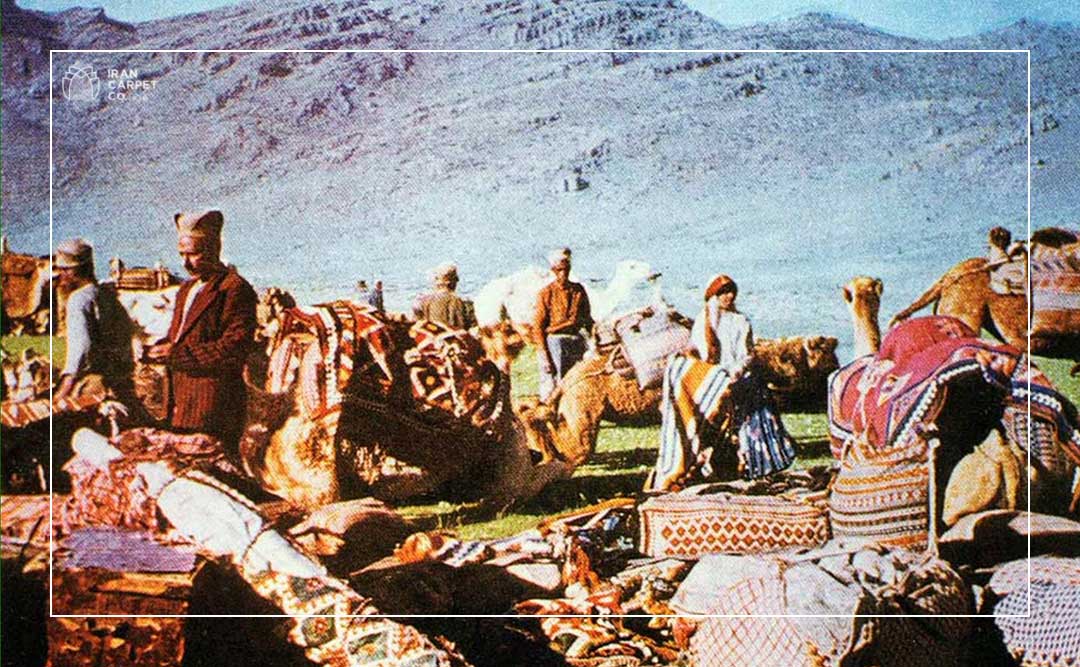
The lives of the Qashqai people are closely bound to migration and to life in nature. Across the green plains of Fars, men wearing white-brimmed hats travel along the roads with their dogs and large flocks of sheep and goats, while women in colourful dress set out with donkeys and horses for their next encampment. The tents in which they live are generally made of goat hair. The Qashqai use their sheep’s wool to make everyday objects, including carpets for a range of purposes, adorned with a variety of motifs. Their entire world can be found in the designs of their rugs: animals, plants, trees and human figures rendered in stylised form. Alongside these everyday motifs are examples inspired by the wall paintings and columns of Persepolis.
History of Qashqai Carpets
The weaving tradition of Fars is more nomadic than village-based, rooted in tribal communities dispersed across a vast region. Contrary to popular belief, there is no carpet weaving in the city of Shiraz. Among the tribes, the Khamseh and Qashqai are most actively involved in carpet weaving. The Qashqai are one of Iran’s largest tribes, living in Fars Province alongside the Khamseh tribes. The Qashqai comprise around two hundred clans; the most important weaving groups include:
1—The Kashkuli tribe (including Bolo or Boli, also known as Choghal). The Kashkuli are the most important Qashqai tribe, yet account for less than one-tenth of Qashqai weavings; 2—Shishboluki (including Heybatlu, Charpanlu, Kuhi, Doquzlu and Arab), the largest Qashqai carpet-weaving tribe, responsible for two-fifths of Qashqai weavings; 3—Amaleh; 4—Safi Khani; 5—Rahimlu; 6—the Igdar tribe; 7—the Chagani tribe; and 8—Darreh Shuri.
The Medallion Motif in Qashqai Carpets
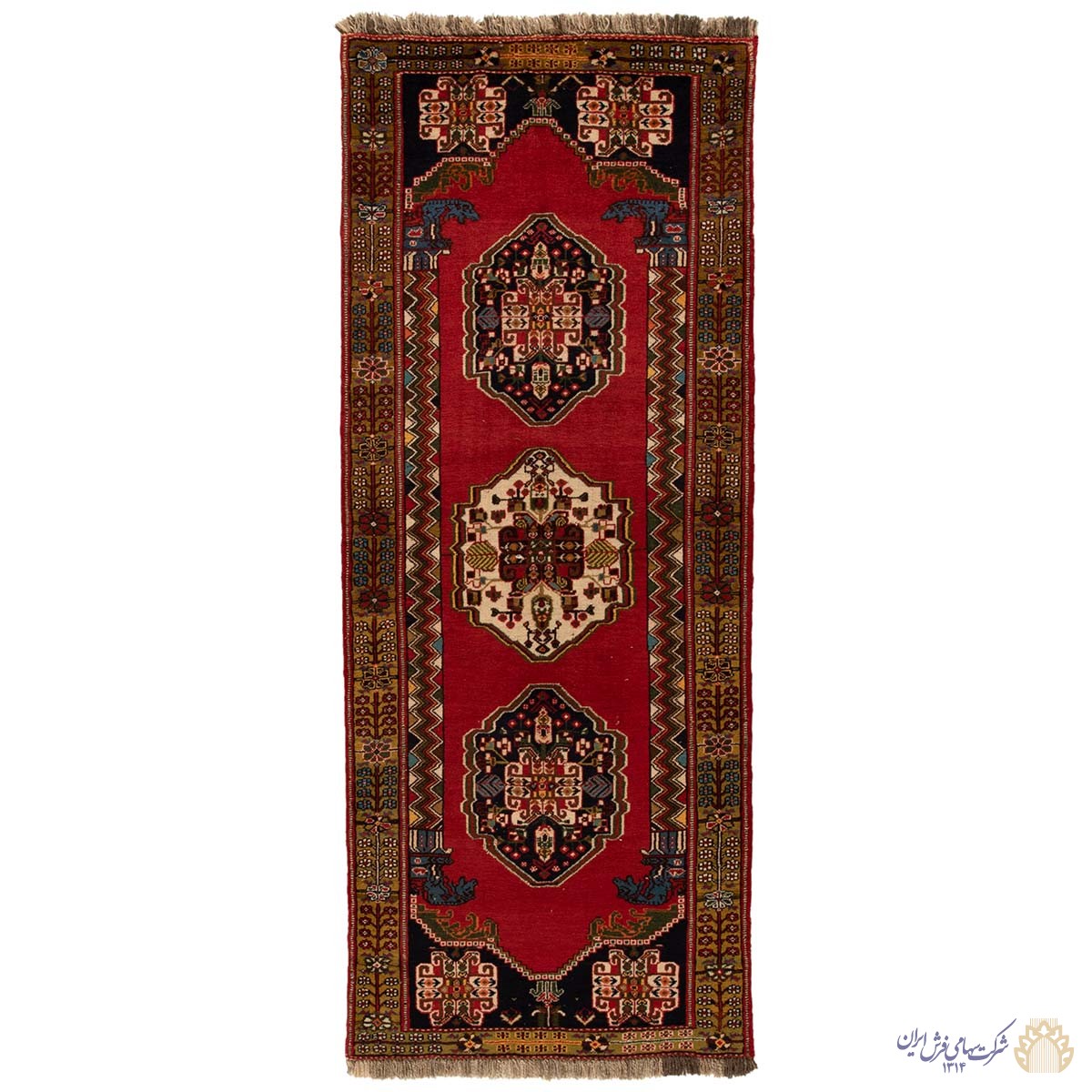
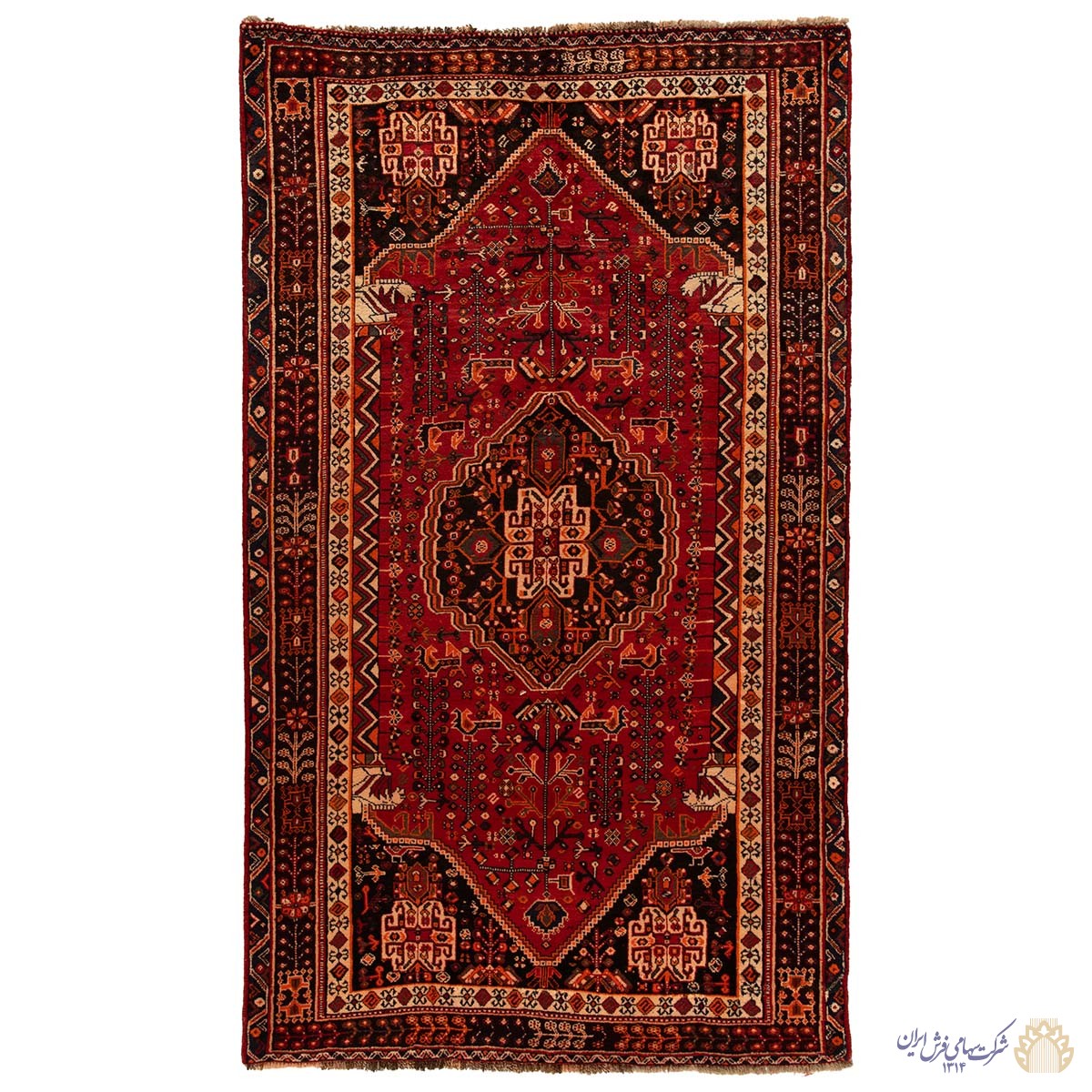
The most distinctive feature for identifying a Qashqai carpet is the central motif within its medallion, resembling a reptile with four curled limbs. The original and most authentic Qashqai medallion is lozenge-shaped; round and rectangular medallions are rarely seen (Figure 1).
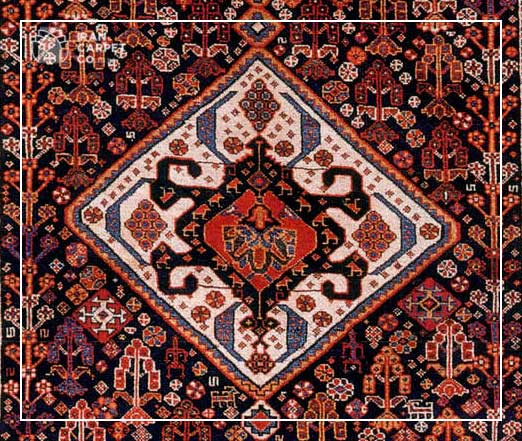 Figure 1: Central motif of a Qashqai medallion
A common convention is to use an odd number of medallions: one or three in small carpets, and five or seven in large ones (Figure 2). Two-medallion carpets are also found on occasion, but four- and six-medallion designs do not occur.
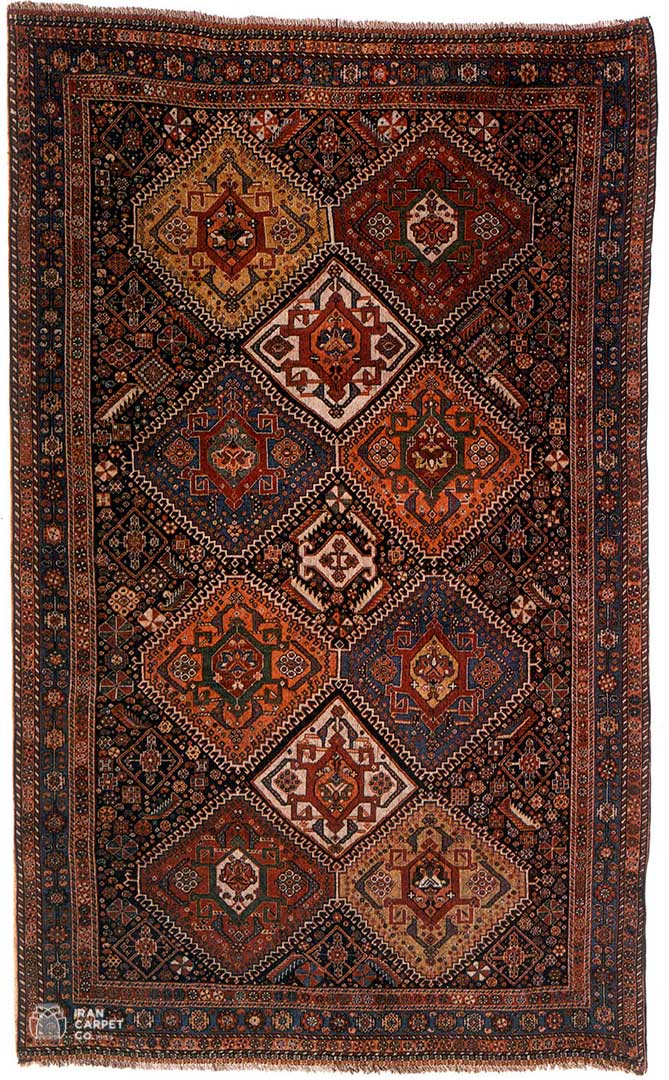 Figure 2: Medallion design, Qashqai weaving
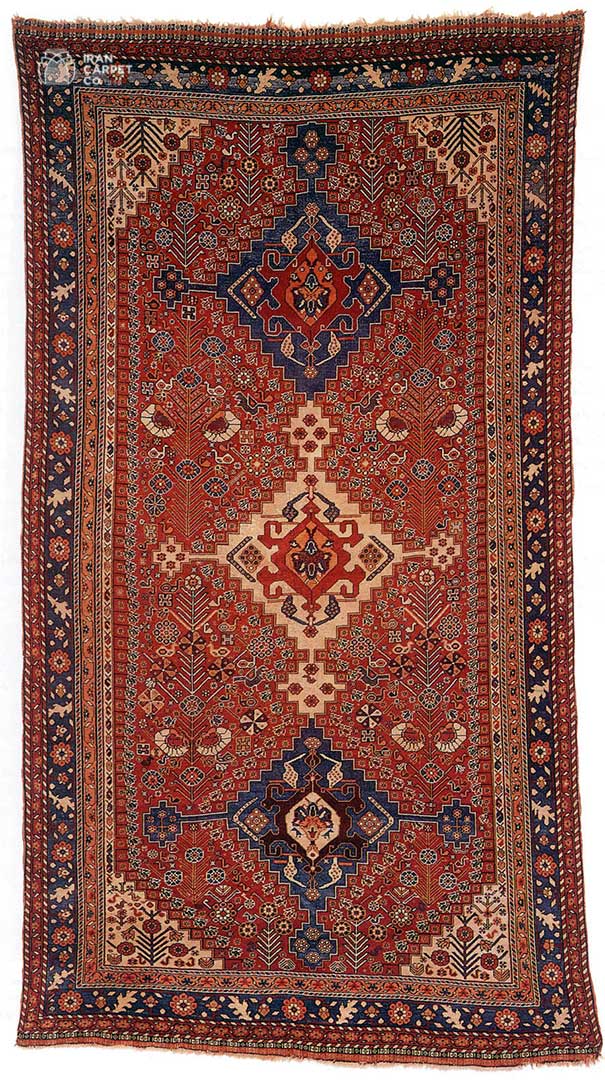 Figure 2: Medallion design, Qashqai weaving
Design Characteristics of Qashqai Carpets
The designs of Qashqai carpets can be divided into four categories:
Group One: Carpets Characterised by Asymmetry (Figurative Designs)
Parham (1364 SH) classifies Qashqai carpets into two groups, assigning distinguishing characteristics to each. The principal feature he identifies in figurative designs is asymmetry in the details, except in the overall composition of the medallions, corner pieces and main border. Other characteristics of this group include geometric, angular motifs and, ultimately, their freehand conception (Figure 3).
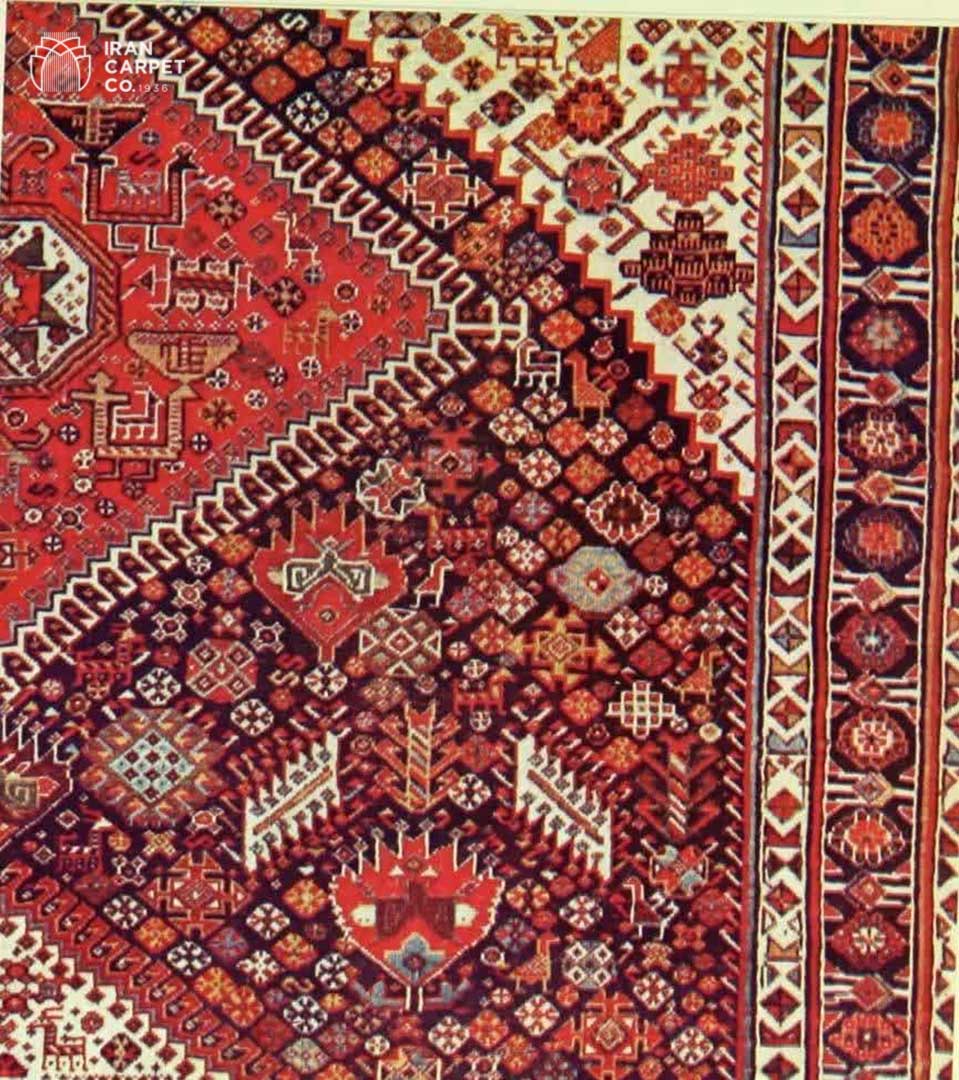 Figure 3: Figurative design
The second category in the classification of Fars carpets is known for its regular, continuous designs. These motifs, shaped by weavers’ contact with urban arts and culture, are characterised by a consistent and balanced approach to pattern-making. In other words, regular designs differ from figurative ones in the way their motifs are connected and continuous, and in their adherence to a set order. The regular-design category of Qashqai carpets is divided into six distinct types, listed here in order of historical appearance: 1—Nazem design; 2—Moharramat design; 3—Mahi Darham design; 4—Boteh design; 5—floral design; and 6—all-over Afshan motif (Figure 4).
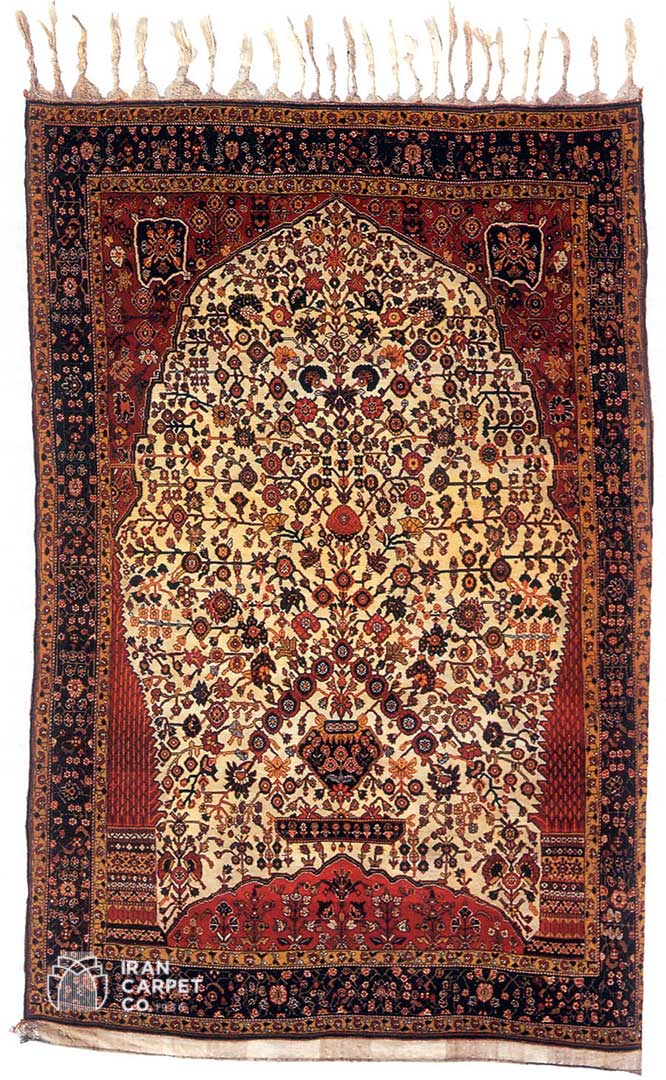 Nazem design
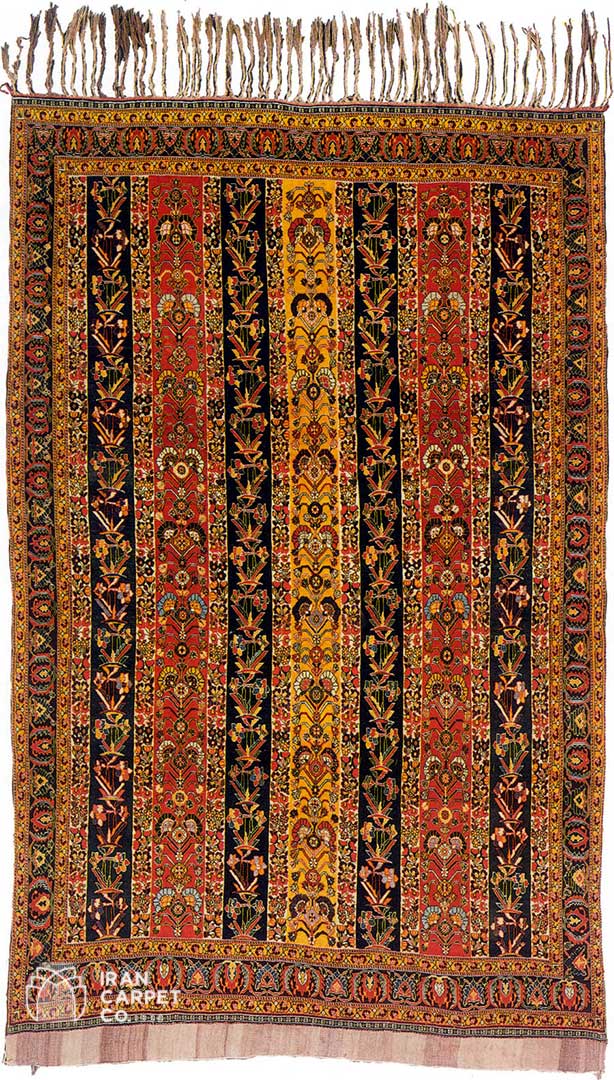 Moharramat design
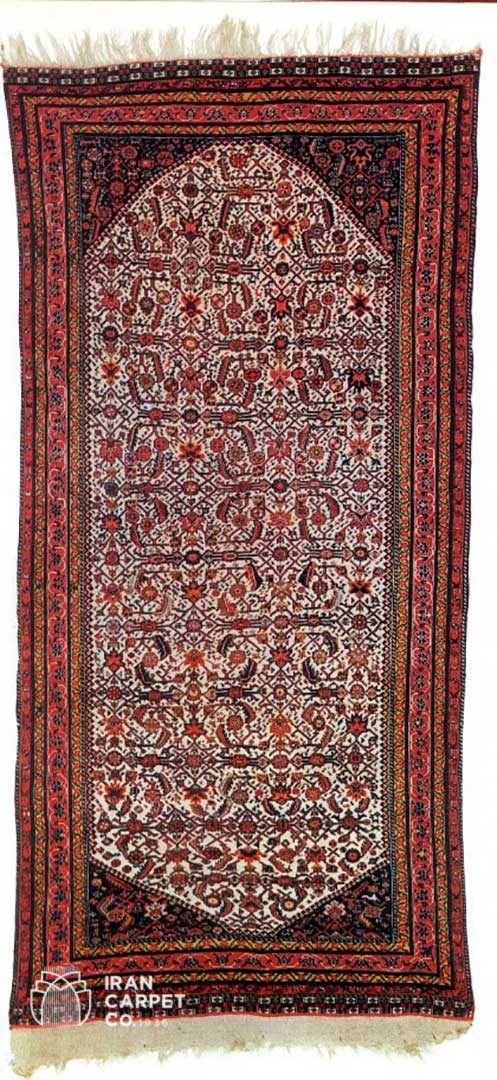 Mahi Darham design
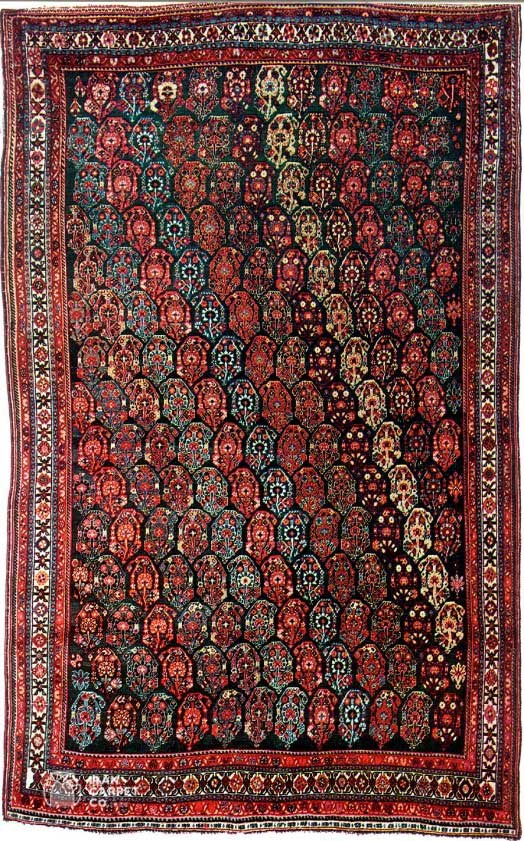 Boteh design
Group Two: Fars Gabbehs
Dehkhoda describes a gabbeh as “a carpet with a long pile.” Among the definitions offered by lexicographers, Tanavoli considers Dehkhoda’s the most accurate. He expands on it by adding characteristics such as simplicity and reduction, the use of numerical geometry, and distinctive colour arrangements. He also notes that gabbehs allow for a high degree of improvisation, since the weaver works from a free interpretation of personal visual experience.
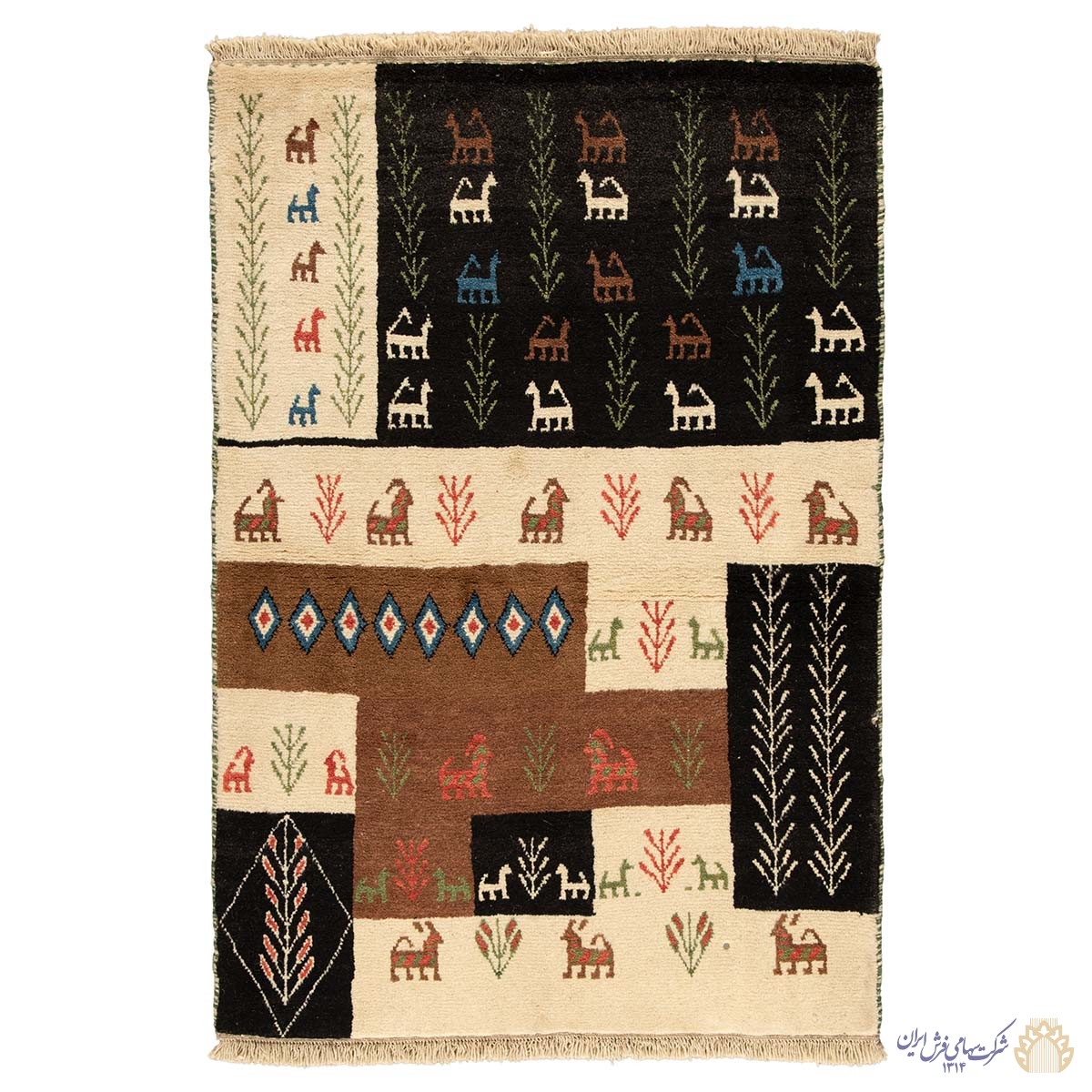
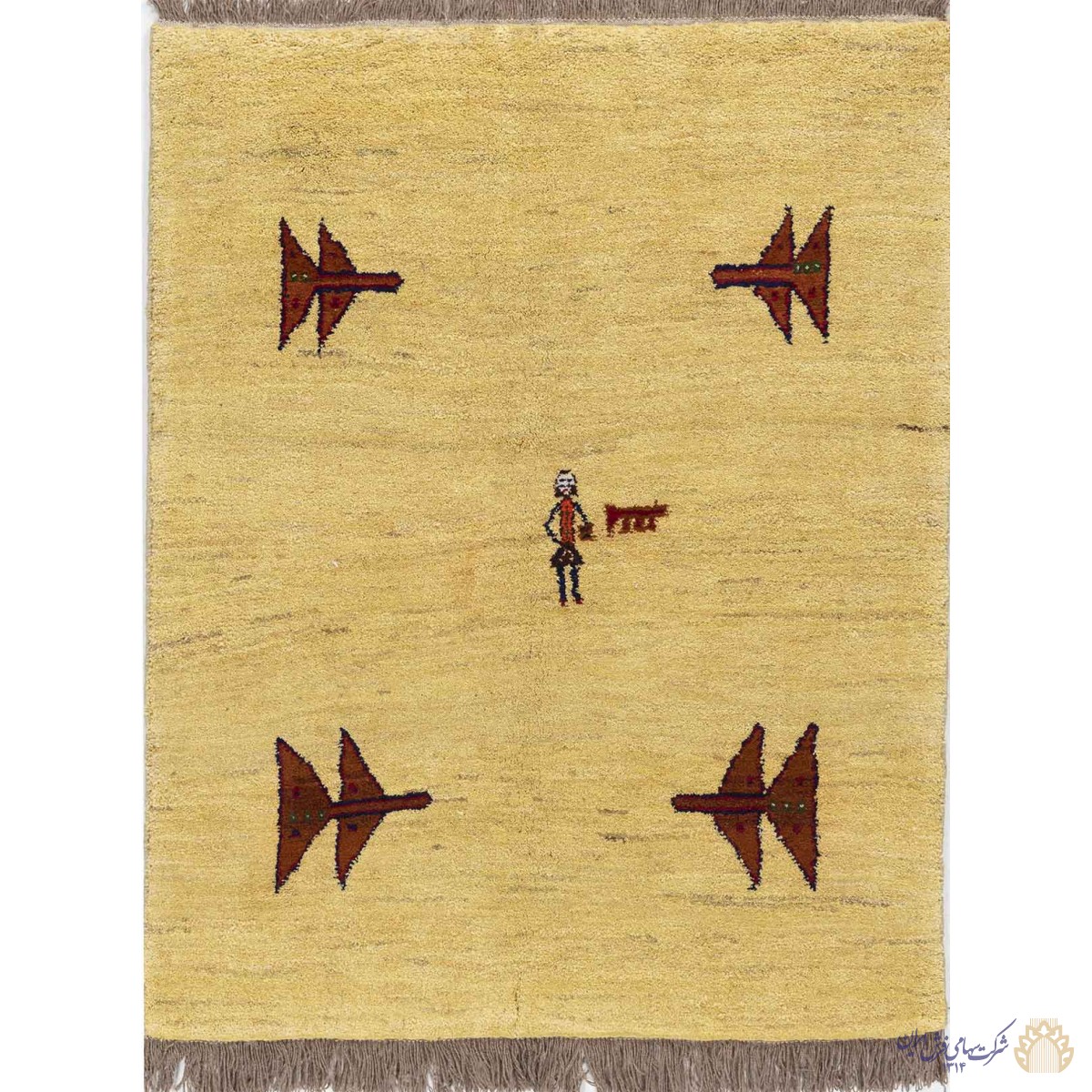
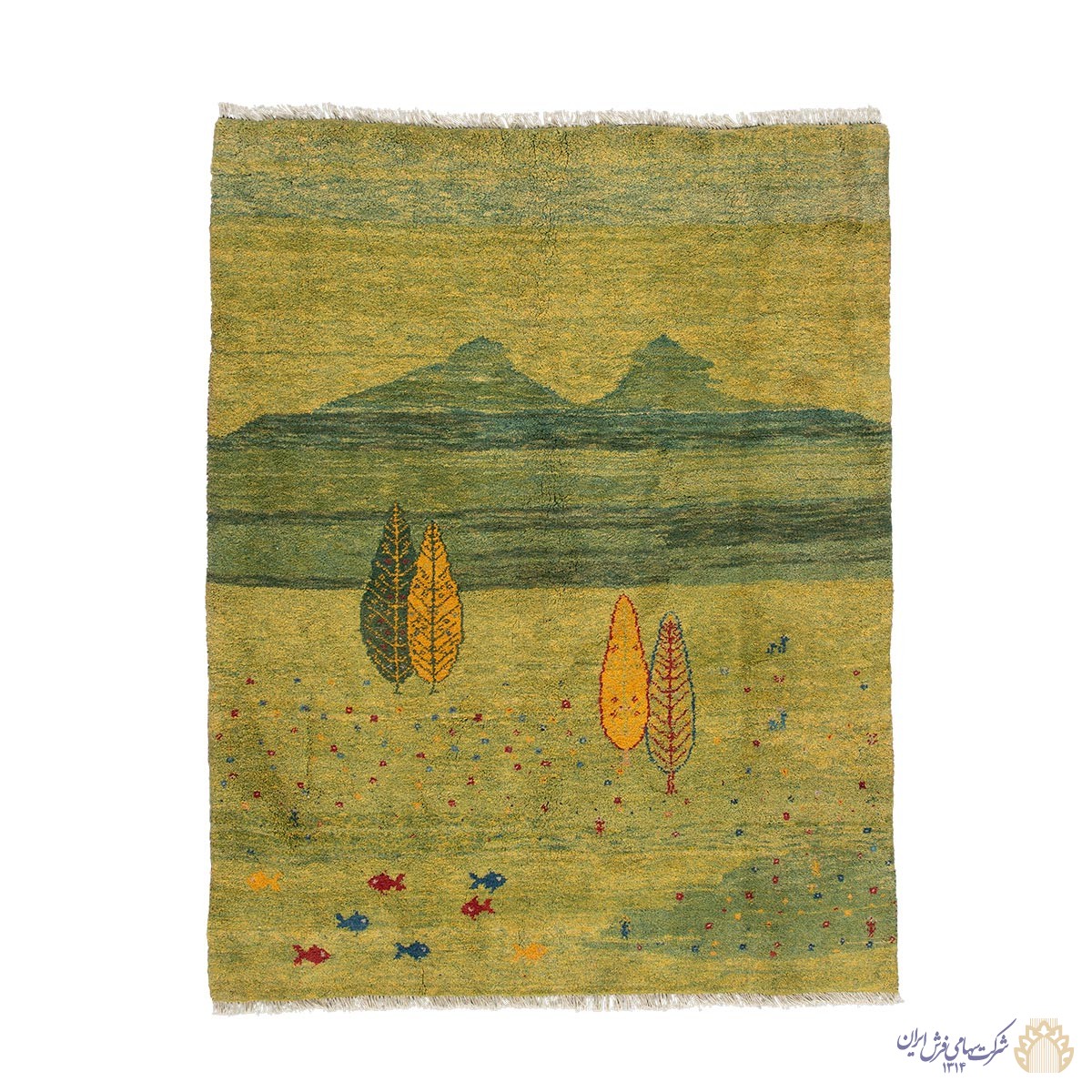
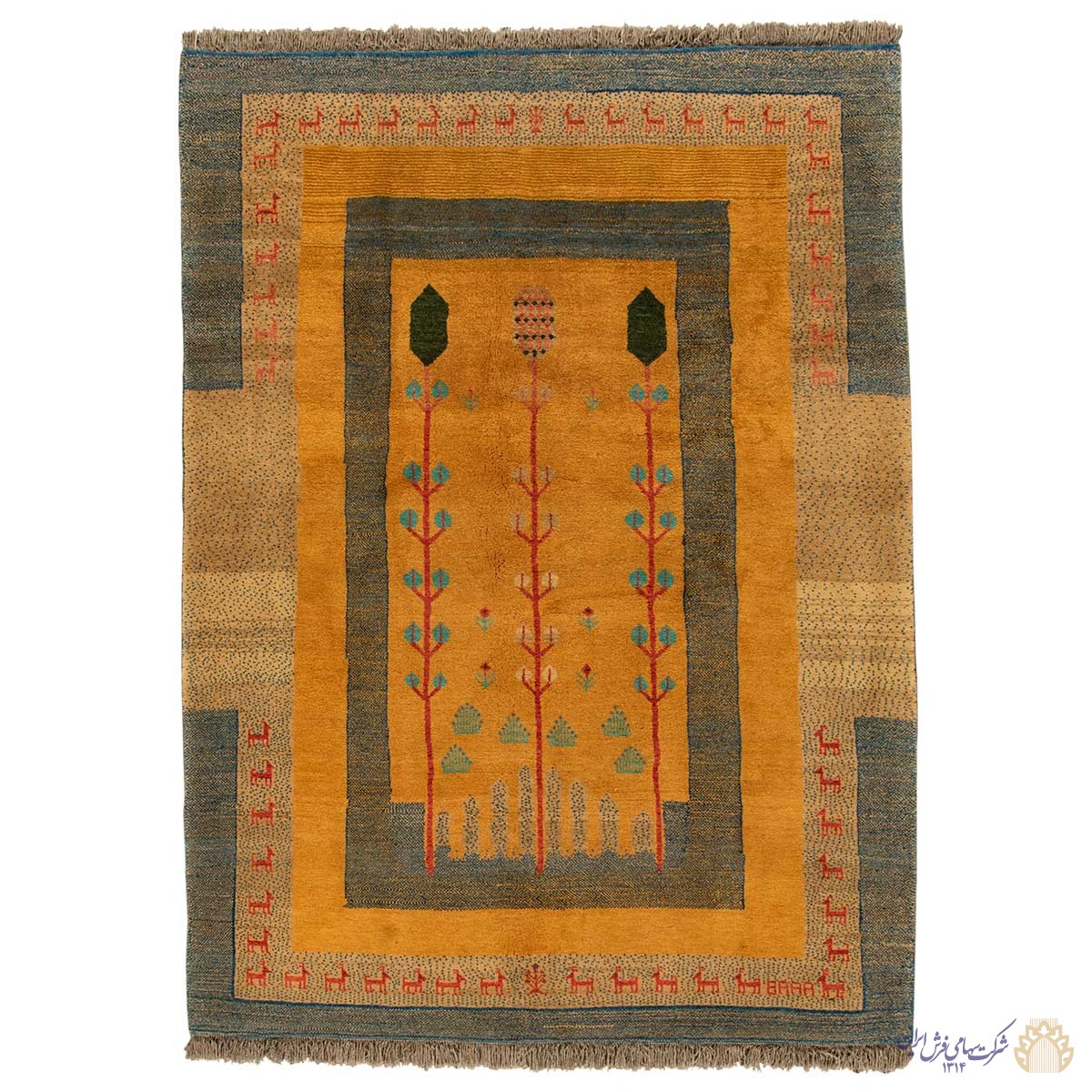
Group Three: Qashqai Pictorial Carpets
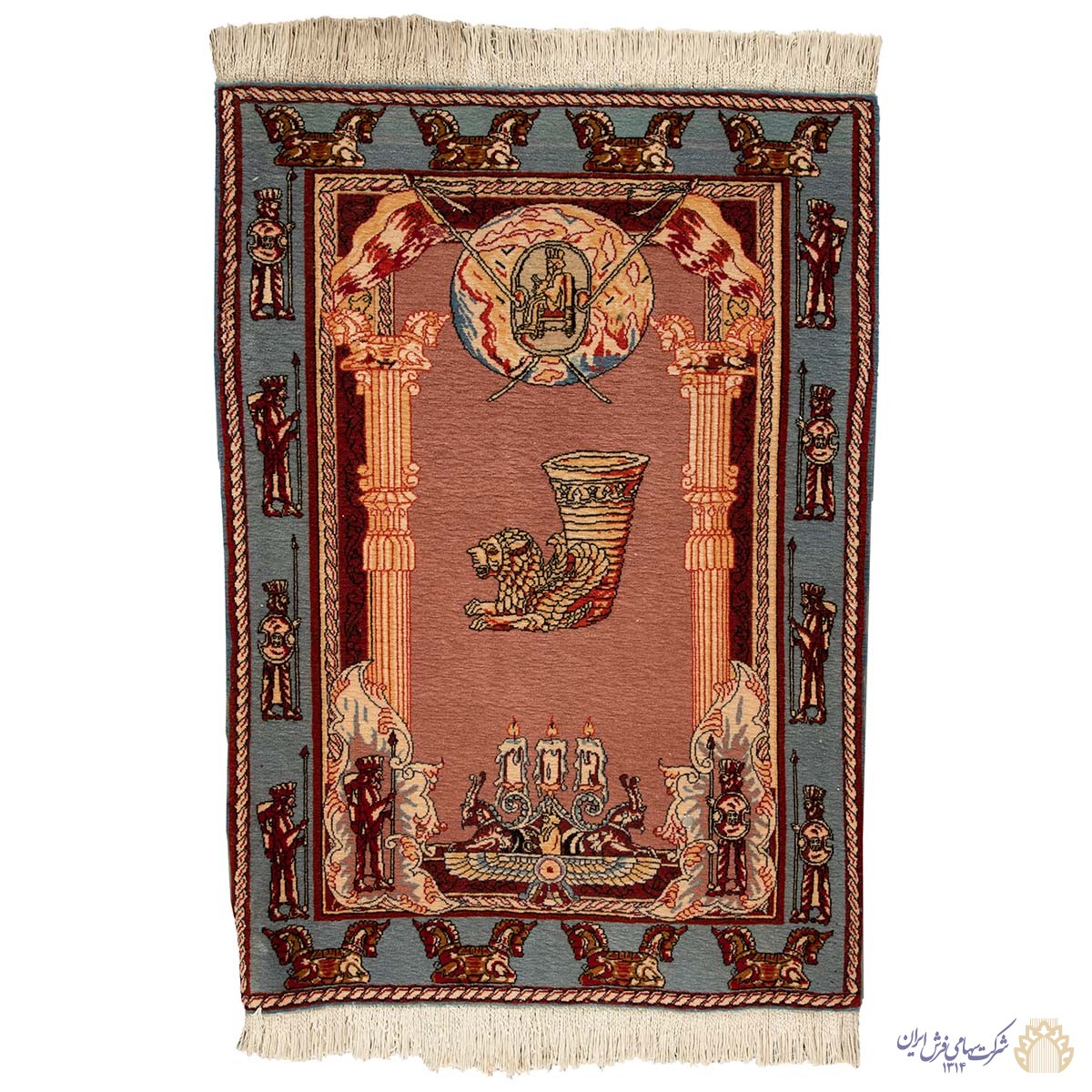
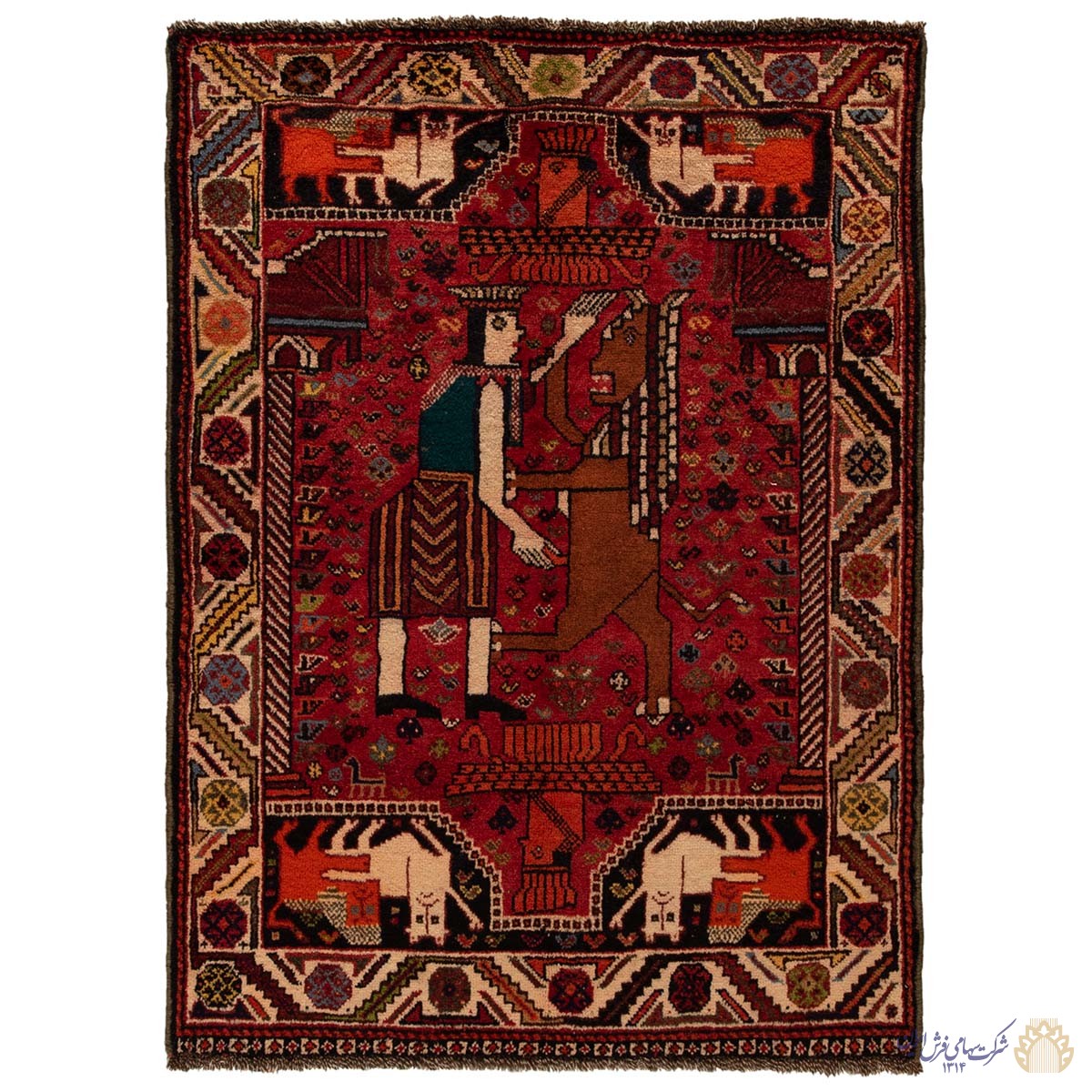
In his classification of Qashqai carpets, Parham (1364 SH) identifies a group known as “pictorial” or “photographic” carpets. The Qashqai may have drawn their earliest experiments in photographic carpet weaving from designs based on one of the symbols of Persepolis. Examples of Persepolis carpets feature narcissus flowers along the borders and share a broadly similar palette; these carpets were woven at different times, each following the preceding examples.
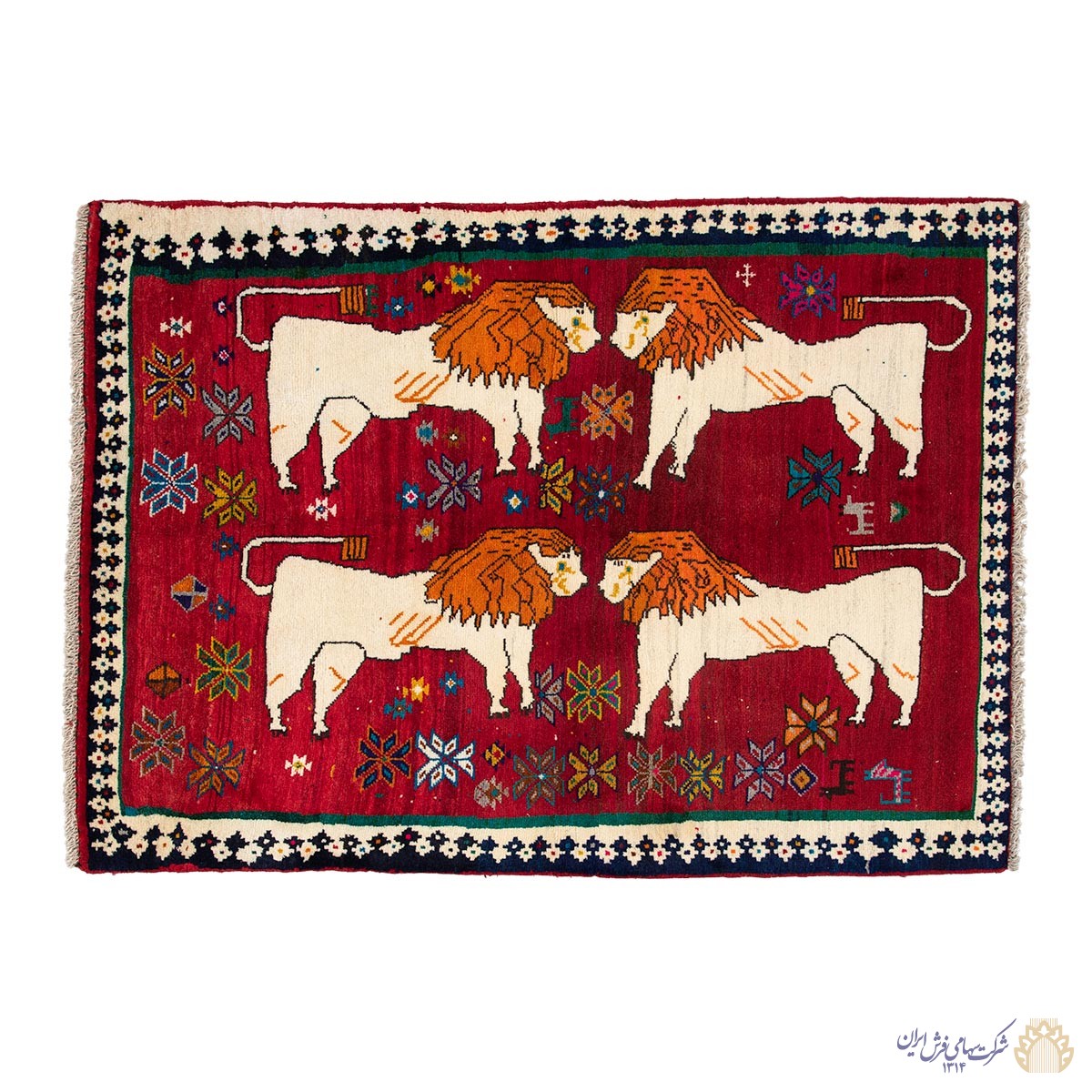
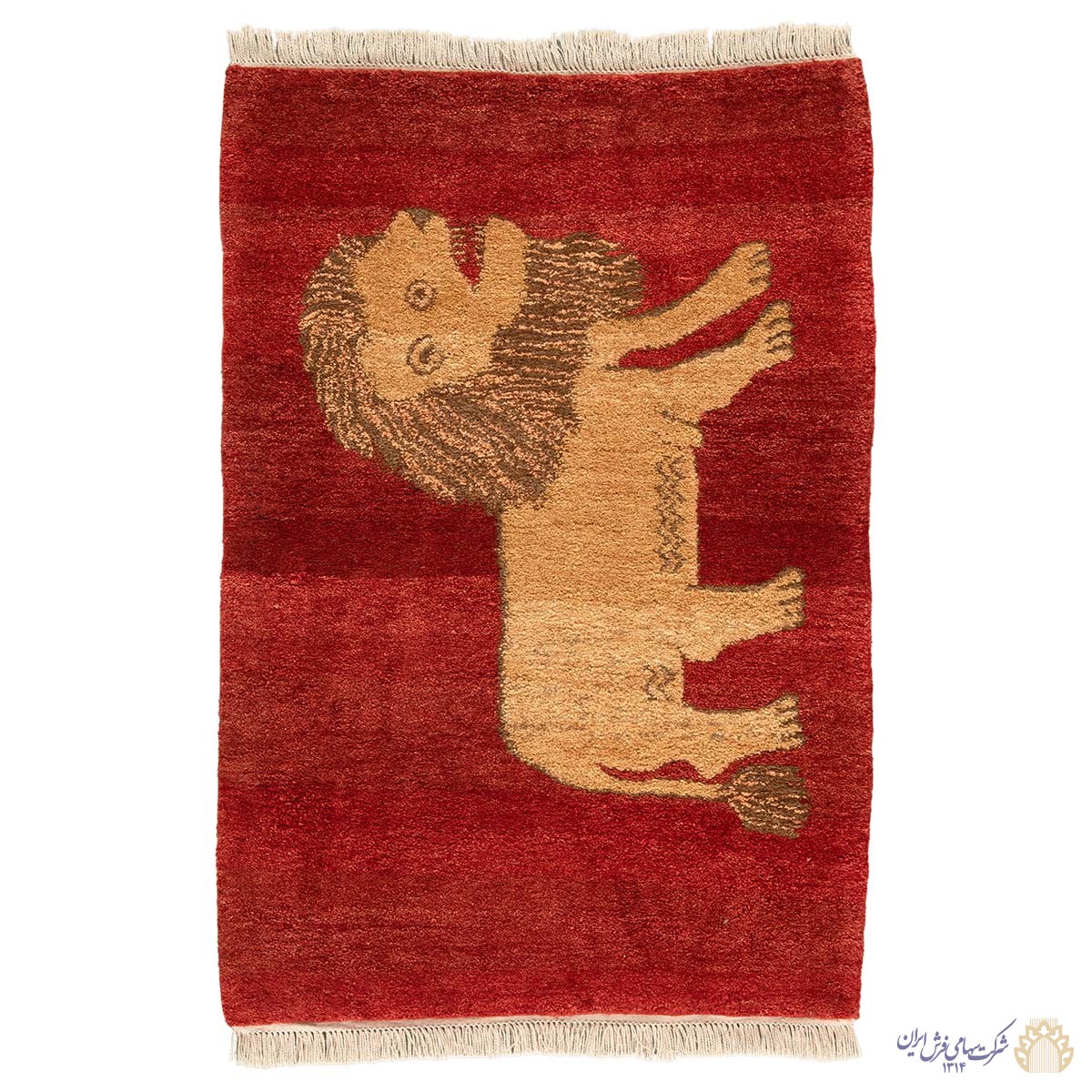
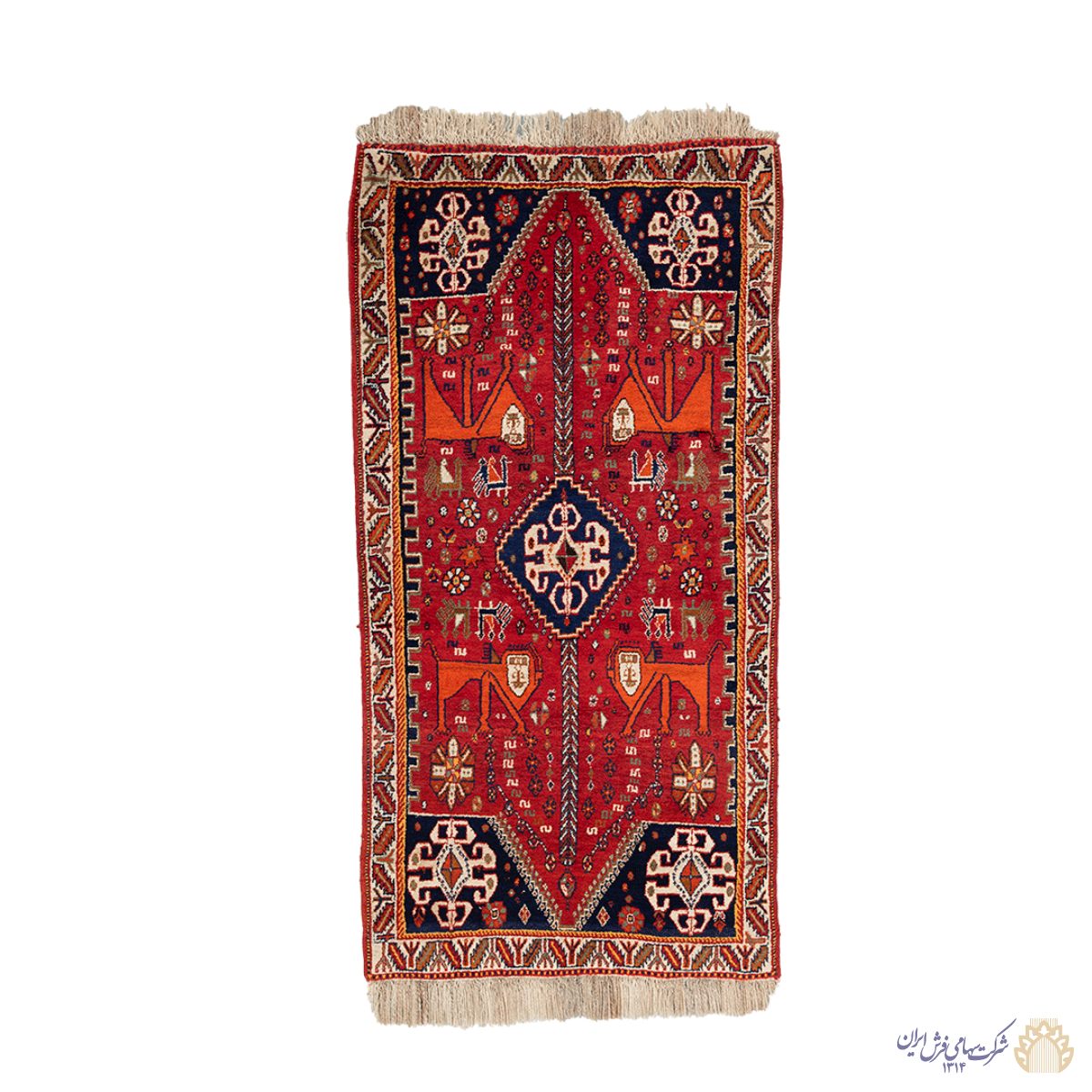
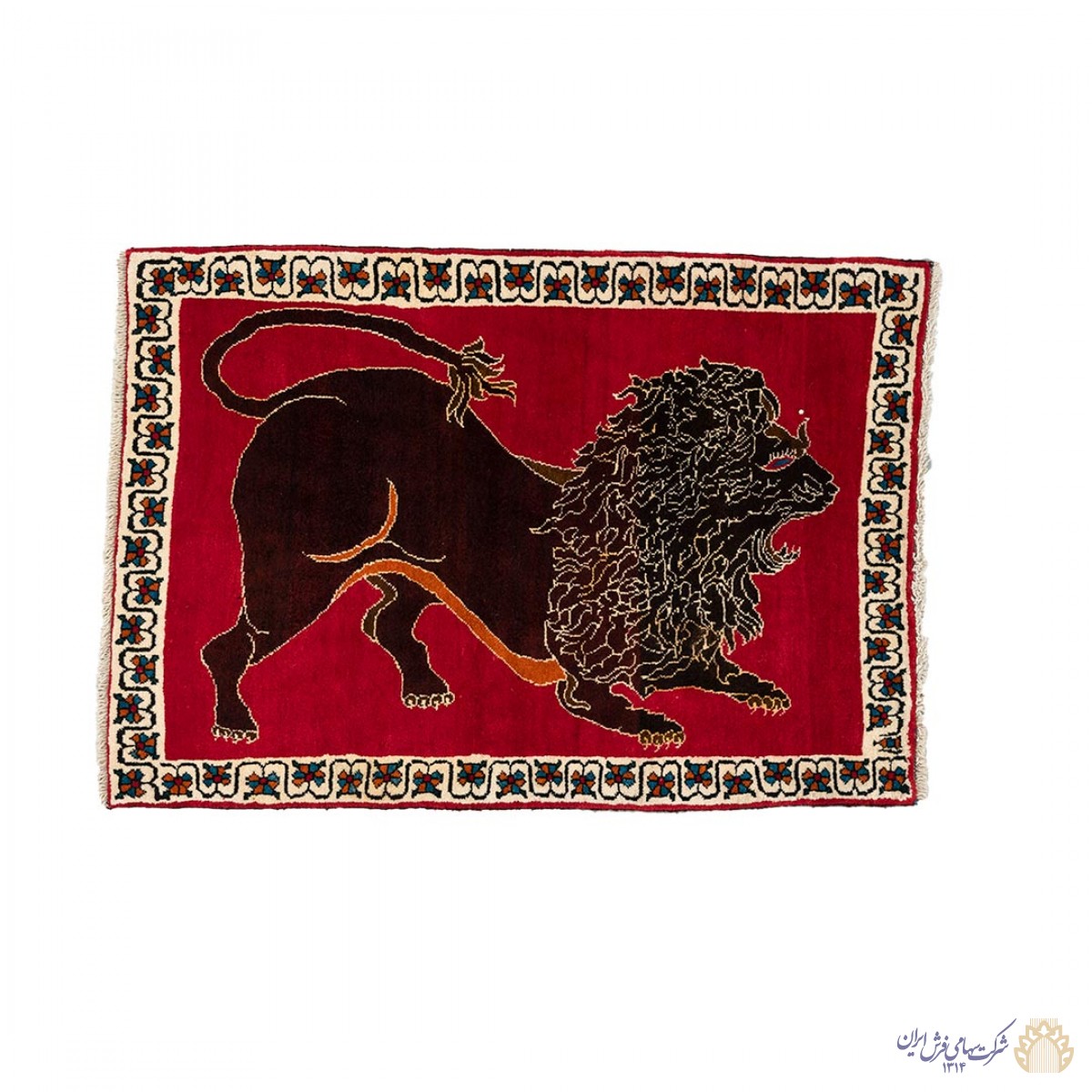
Group Four: Fars Lion Carpets
Parham (1364 SH) identifies the lion as one of the most popular motifs among Fars gabbeh weavers. He attributes its presence not only to the motif’s ancient significance in Iranian culture, but also to its place in Iranian religious beliefs, where the lion symbolises the courage and valour of Imam Ali.
Characteristics of Qashqai Carpets
The materials used in Qashqai carpets are naturally sourced, from sheep’s wool to goat and horse hair. Their colours, too, come from nature; in practice, the weavers use whatever they can produce themselves.
As with other nomadic looms, the loom is horizontal, and the weavers sit on the ground. The warp and weft of most old Fars carpets are wool. In recent years, however, the scarcity of hand-spun wool and the growing use of factory-made yarn have meant that both the warp and the weft—known locally as qorqaj—are increasingly made of cotton. Fars carpets are woven mainly in two structures: the pile-woven loul and the flatwoven style. On the knotting technique, Master Cyrus Parham observes: “Contrary to the assumptions of carpet scholars who have popularised the classification of weaving methods as ‘Turkish knot’ and ‘Persian knot’, the symmetrical knot, inaccurately called ‘Turkish’, is just as common in Fars as the asymmetrical knot, inaccurately called ‘Persian’. Indeed, the asymmetrical knot is more widespread among the Qashqai Turks than among the Persian-speaking weavers of Bavanat.” Thus, both asymmetrical Persian (Senneh) knots and symmetrical Turkish (Ghiordes) knots are used. The former is customary among the Qashqai and Basseri tribes and in the villages of Khengsht and Neyriz; the latter is prevalent among the Arab and Baharlu tribes and in the villages of Bavanat and Belvardi.
Distinctive two-colour checkerboard bands woven at the ends of some carpets and kilims are primarily associated with the Qashqai and the Lurs. Neither this motif nor its use at the ends of carpets is common elsewhere in the weaving regions of the East; it should therefore be regarded as distinctive of carpet weaving in Fars.
Fars carpet designs are generally created through “memory-based weaving,” a form of reinterpreting traditional designs. Knot count (raj) varies: gabbehs range from 15 to 20 knots, while fine carpets range from 40 to 50. Warping is also carried out in the Turkish style.
Among the traditional plant-based colours of the region, red is the most important family, with its various shades obtained from madder. After red, blue and navy are used more than any other colours by the nomadic and rural communities of Fars. The yoghurt-dye colour, much favoured by the Qashqai, is produced by soaking madder-dyed skeins in yoghurt. The longer the wool remains in the mixture, the lighter the madder red becomes, shifting towards pink.
Reyhaneh Kathiri Master’s degree in Handwoven Carpets
For further information about carpets from the Fars region, consult the following sources:
— Parham, Cyrus (1371 SH). Nomadic and Rural Weavings of Fars, Volume 2. Tehran: Amir Kabir Publications.
— Parham, Cyrus (1375 SH). Masterpieces of Carpet Weaving in Fars. Tehran: Soroush Publications.
— Farsi, Maryam (1395 SH). A Study of the Relationship Between Memory-Based Design in Carpets, Improvisation and Other Arts (Case Study: Qashqai Carpets Woven from Memory). Master’s thesis, University of Art, Tehran.
— Jouleh, Touraj (1381 SH). A Study of Persian Carpets. Tehran: Yassavoli Publications.
 Regional Weaves
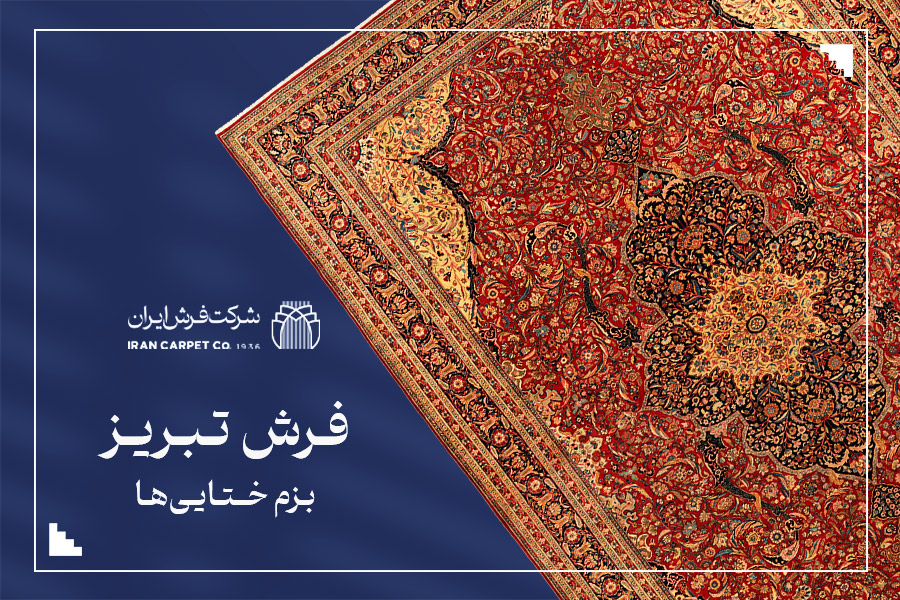
Across the centuries, Tabriz has remained a cradle of art and culture. The handwoven carpets of this city seem to embody Iranian taste and creativity, their warp and weft alive with it. Tabriz’s skilled weavers intertwine delicate knots to bring inventive designs to life.
 Regional Weaves
Kurdish carpets, with their long history, have long adorned the homes of Iran. Woven by Kurdish artisans, these carpets bring together knots, warp and weft in ways that beautifully express Iranian heritage and culture.
 Regional Weaves
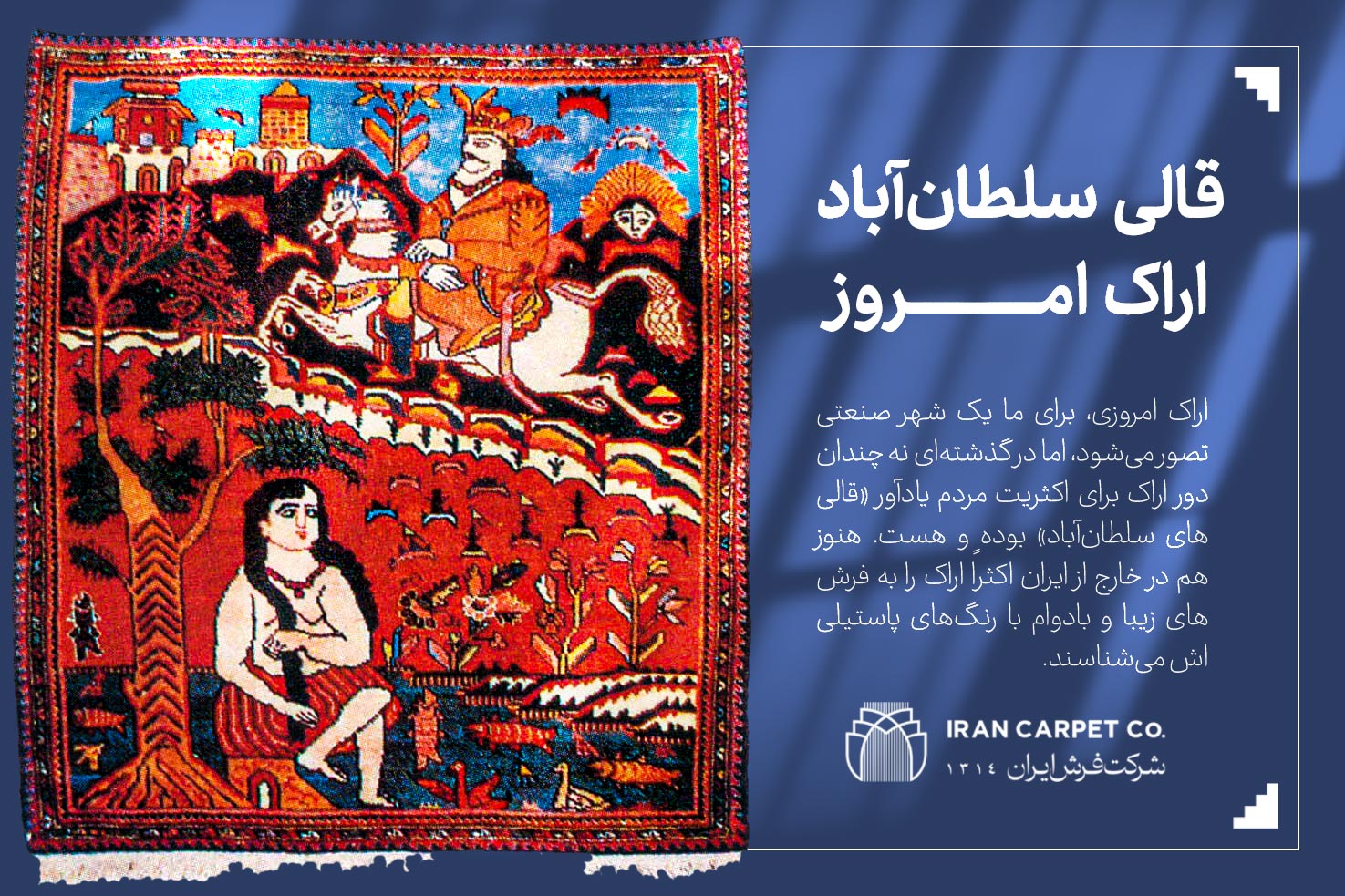
Today, we tend to think of Arak as an industrial city. Yet until not so long ago, Arak was synonymous with “Sultanabad carpets.” Even now, outside Iran, Arak is widely known for its beautiful, durable carpets in pastel colors.