Isfahan Carpets
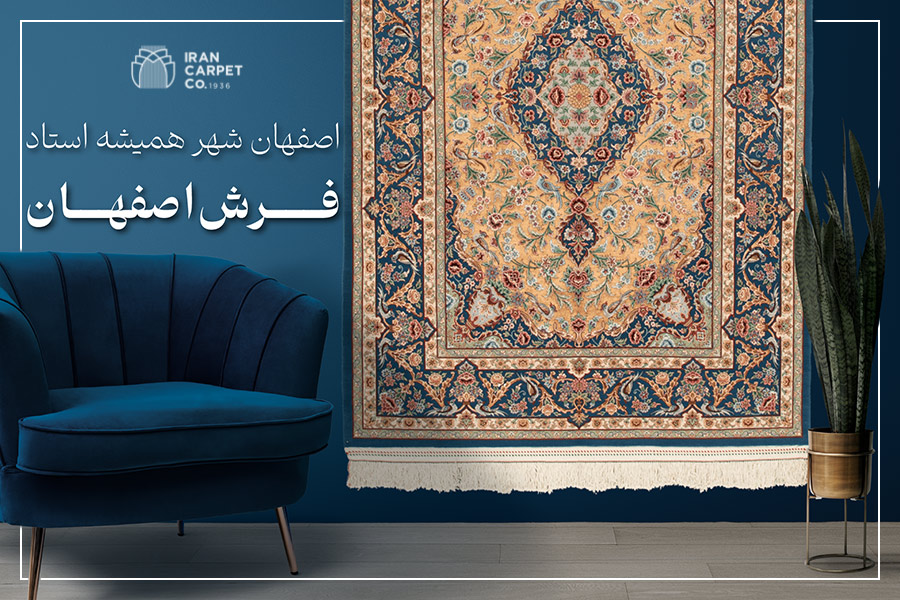
It is no coincidence that Isfahan is known as the city of perennial masters. In its old quarters, every step reveals traces of mastery and artistry, until you can scarcely tell whether you are walking through the city or gazing at a painting. Isfahan carpets reached their zenith in the Safavid period, under the hands of great masters, and became pre-eminent among carpets woven in Iran’s cities.
A History of Isfahan Carpets
Isfahan enjoyed its greatest splendor during the Safavid period, particularly under Shah Abbas I. In addition to fostering the work of carpet-weaving workshops, Shah Abbas helped establish carpet exports to Europe.
Dr. Taqi Bahrami identifies two periods in the history of carpet weaving in Isfahan: its golden age under the Safavids, and the Qajar period under Zell-e Soltan, son of Naser al-Din Shah.
He also emphasizes the exceptional importance of carpet weaving in Isfahan during the Safavid period. Silk carpets, in particular, were much in demand, and local weavers devoted themselves to making them, leaving behind carpets of extraordinary quality. Today, many of the most valuable Iranian carpets displayed in museums in London, Paris, and elsewhere in Europe and the United States were woven in Isfahan.
After the fall of the Safavids, this craft, along with other industries, gradually lost its importance. Over the past century it fell into near-total decline, and carpet weaving was almost forgotten. By the end of Naser al-Din Shah’s reign, there were no carpet-weaving workshops in Isfahan. The turning point came when Zell-e Soltan, the governor of Isfahan, brought a woman from Kurdistan who knew how to weave carpets to the city and provided her with several looms. This marked the beginning of a revival in carpet weaving.
Characteristics of Isfahan Carpets
Isfahan carpets are most often one-and-a-half- or two-zarʿ in size, with larger examples measuring up to 6 or 9 square metres. Their defining characteristics include the asymmetrical Persian (Senneh) knot, a low pile, and the use of wool and silk in the pile. In Isfahan, knots are tied by hand, without a hook, on warps that are relatively slack and are not held under the intense tension used in Turkish-style weaving.
The carpets are woven with two cotton wefts, one thick and one thin, and the structure tends toward lūl-bāft. The warps are set and the foundation is woven in the asymmetrical Persian style, on vertical, stationary looms.
A knot count of 50 to 90 per 6.5 centimetres allows for the creation of finely detailed, inventive designs. In Isfahan, the term “hundred-count” is used instead of knot count. For example, a weaver might be asked how many “hundred-counts” a one-and-a-half-zarʿ rug has; in other words, what its knot count is. If it has 10 hundred-count units, its knot count is 65. Buying, selling, and wages are generally calculated according to the number of hundred-count units specified when the warps are set, and the warps are usually marked off with a coloured line. The selvedges are joined to the carpet, and the pile is sheared as the weaving proceeds.
Isfahan’s finely woven carpets, including those with silk highlights, and their exceptionally beautiful designs have long enjoyed a distinguished reputation in international markets. Isfahan is also one of the few carpet-weaving centres in Iran where circular carpets are made.
Carpet-weaving centres in Isfahan province include Natanz, Zavareh, Mazlaghan, Ardestan, Toodeshk, Nain, Kashan, Meimeh, Jooshqan, Shahreza (Qumsha), Najafabad, and Isfahan. Each has its own distinctive style, which we will explore in separate articles.
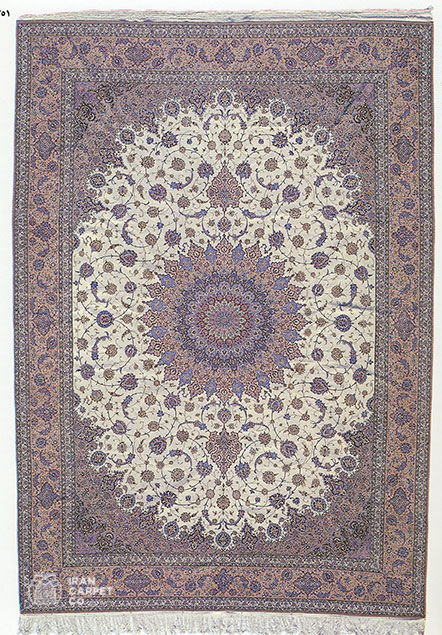
Figure 1: Medallion and corner (Lachak-Toranj) design, by master designer Ahmad Archang
Design and Colour in Isfahan Carpets
In the past, and still today, Isfahani designers have drawn extensively on the tilework of the city’s historic buildings, including Chehel Sotoun Palace, Chaharbagh School, and the Sheikh Lotfollah Mosque. They have adorned their designs with motifs inspired by the buildings’ richly decorated surfaces. Designs commonly found in Isfahan carpets include Shah Abbasi medallion-and-corner patterns, tree and animal motifs, arabesques, Shah Abbasi all-over Afshan designs, and figurative and landscape compositions.
The medallion-and-corner design forms the basis of most compositions. Delicate arabesque and khata’i motifs, arabesque cartouches, and beautiful Shah Abbasi flowers appear throughout the field. Isfahan motifs are all curvilinear; angular designs are virtually absent (Figure 1). Other patterns used in Isfahan carpets include the medallion and corner, tree, prayer-niche, vase, hunting-ground, European floral, and compartment designs.
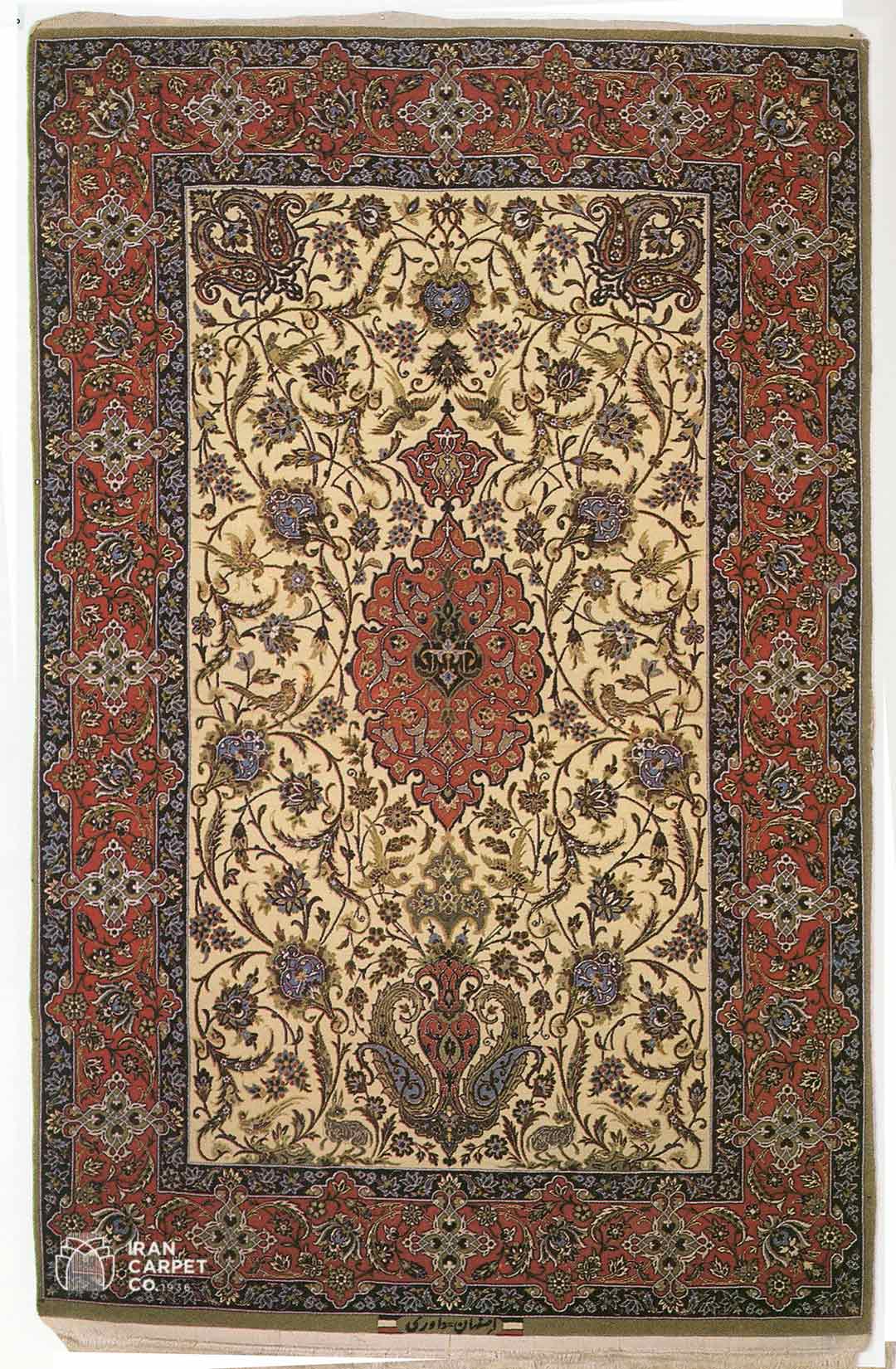 Figure 2: Vase design, by master designer Ahmad Archang
Designers and Producers of Isfahan’s Finest Carpets
Among the renowned Isfahan carpet designers are Ahmad Archang, Isa Bahaduri, Seyyed Jafar Rashtian, Reza Shakeri, Abbas Karbasiyun, Ahmad Shokrani, Asghar Bayat, and Akbar Mahdi’i. Notable contemporary producers include the Sayrafian and Safdarzadeh Haghighi families. Yadollah Safdarzadeh Haghighi, Sadegh Sayrafian, Hassan Dardashti, and Akbar Mahdi’i are among the best-known producers of fine Isfahan carpets in recent decades.
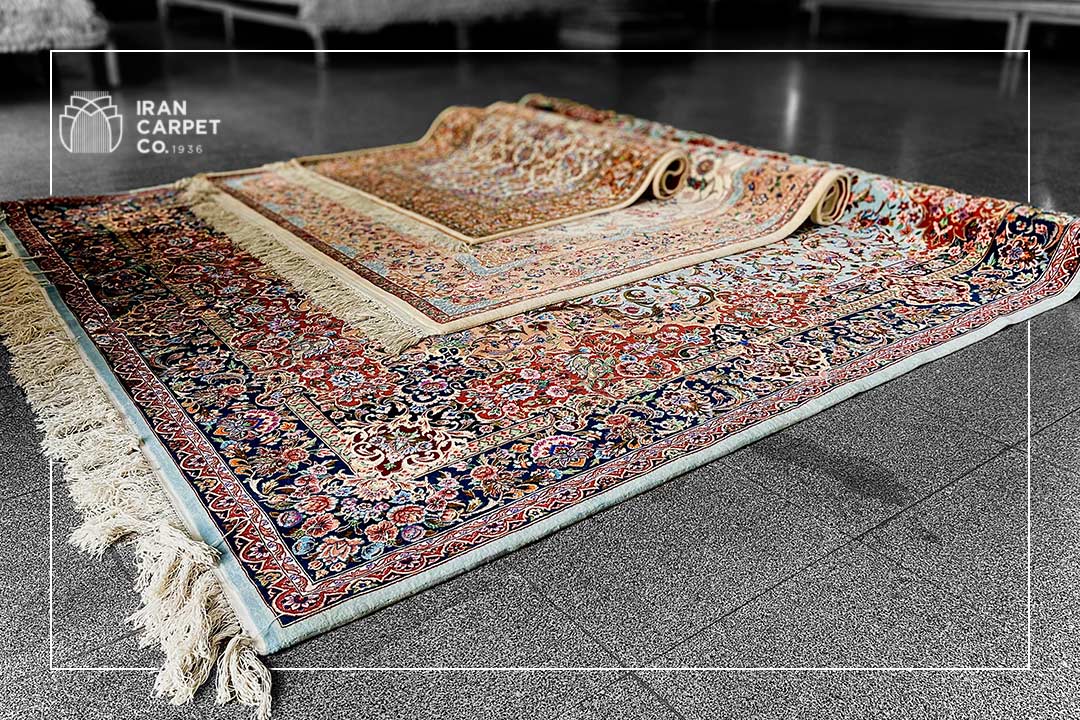
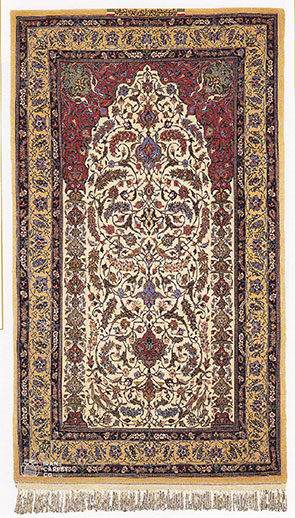 Figure 3: A prayer-niche rug with silk warp and weft, measuring 99 × 159 centimetres, woven in Isfahan under the supervision of Iran Carpet Company.
Reyhaneh Kathiri M.A. in Handwoven Carpets
For further reading on Isfahan carpets, see the following sources
— Bassam, Seyyed Jalal al-Din, et al. (2004/05). Dream of Paradise: The Art of Persian Carpet Weaving. Tehran: Etka.
— Jouleh, Touraj (2002/03). A Study of Persian Carpets. Tehran: Yasavoli Publications.
— Nasiri, Mohammad Javad (1995/96). A Survey of the Art of Carpet Weaving in Iran. Tehran: Author’s edition.
— Edwards, Cecil (1988/89). The Persian Carpet. Translated by Mahin Dokht Saba. Book Lovers Association.