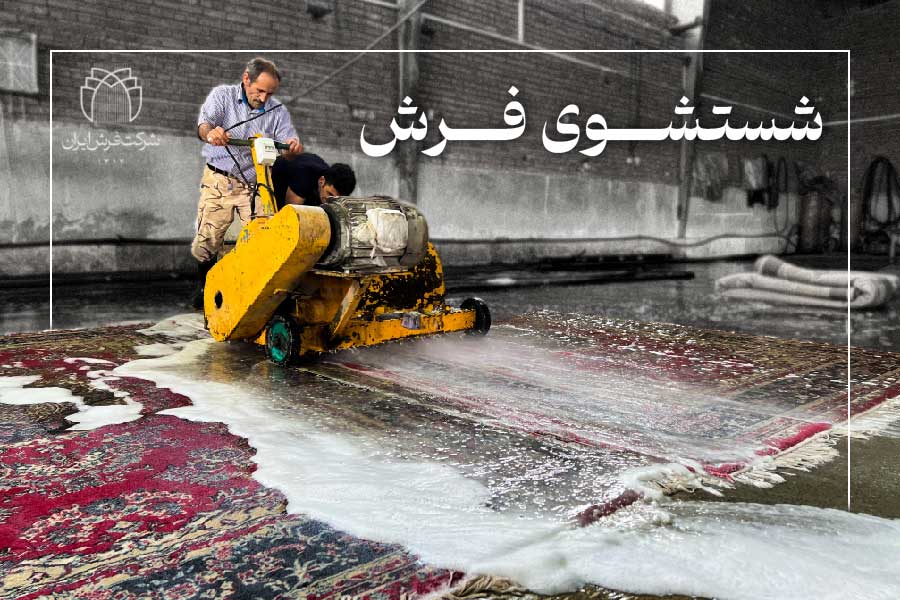
How Should You Fold or Store a Carpet?

Why Handwoven Carpets Need Care
Handwoven carpets require extra care because they are more valuable, harder to repair, and more difficult to weave. Weavers bring their feeling, artistry, skill, and ingenuity to every thread of a handwoven carpet, giving it meaning and refinement. The artistry woven into these carpets is reason enough to take extra care of them and learn how to fold and maintain them properly. These exceptional and precious handicrafts fill a home with energy, artistry, and charm, but they also need care and attention. Folding a carpet properly helps prevent damage to its threads. Collecting and folding it incorrectly can break its threads, and it may never return to its original shape. You may have watched many videos on how to fold a carpet correctly or consulted experts about storing one, but here we offer comprehensive advice on folding and storing carpets so that your valuable rugs can be kept for a long time with minimal risk of damage.
Why and How Should You Fold a Carpet?
When packing handwoven carpets in a suitcase or otherwise transporting them, they should be folded properly to reduce their volume as much as possible. Folding is a temporary solution, generally recommended when transporting a carpet and minimizing the space it takes up. It is therefore not recommended for long-term storage.
- First, carefully turn the carpet over and lay it completely flat on the floor, with the pile facing down.
- Fold one third of the carpet lengthwise, starting from either the right or left edge.
- Fold the other edge over so that the final third of the carpet rests on the folded section, forming a long, narrow rectangle.
- Smooth out the carpet and feel the pile with your hands to determine its direction; then fold one third of the carpet across its width, against the direction of the pile.
- Step off the carpet, kneel behind the folded section, and fold that section in two stages. Continue until the carpet forms a compact, bulky rectangle.
- Tie the folded carpet securely with a strong rope so that it does not come undone during transport.
Storing a Carpet for an Extended Period
The proper way to fold a carpet for purposes other than transport may differ somewhat. In fact, how you fold it depends on the intended purpose and how long you will be without it. Handwoven carpets are very valuable, and repairing them after damage can be difficult and sometimes costly. If you will not need your carpet for a while, we recommend that you never leave it folded in a corner for an extended period. Instead, roll it carefully; rolling is the proper way to store a carpet long term. When rolling it, make sure the layers are not pressed too tightly together, and observe the following advice:
- It is best to wrap the rolled carpet in a purpose-made carpet cover, plastic wrap, or clean cloth to keep dust from getting in. Of these options, we recommend cloth, since plastic covers are more prone to condensation and moisture can cause mold to develop on the carpet.
- Remember to place mothballs between the layers of the carpet. Even if you roll it correctly, other factors can still cause damage.
- Do not leave the carpet unattended. Check on it from time to time and unroll it, allowing it to air while also giving you the chance to inspect it and catch any potential problems.
Other Carpet Care Tips
In addition to folding technique, other factors are important for protecting your carpet from damage. After rolling your handwoven carpet correctly, place it somewhere suitable, where the temperature is not too high; excessive heat can reduce its quality. The storage area must be completely dry, as dampness and moisture can dull the carpet’s colors and sheen. Termites and moths, which thrive in damp spaces, can also destroy a handwoven carpet entirely. Although sunlight in the storage area can deter insects, direct exposure to sunlight can damage your carpet.
Related Reading
All Journal & Blog Care & Maintenance
Guidance on Safely Storing Handwoven Carpets in Times of Crisis
During emergencies, handwoven carpets—among a family’s most important assets—require special care. This step-by-step guide explains how to store them properly, helping prevent damage and preserve their cultural and financial value through difficult times.