Tips for Caring for Carpets at Home

Carpets—especially antique and handwoven Persian carpets—require attentive care. They are treasured possessions and investments for their owners. Here, we look at how to care for Persian handwoven carpets and preserve them for years to come.
Vacuum your carpet regularly and keep an eye on its condition
For basic cleaning, use a traditional broom. Sweep in one direction, from one end to the other; otherwise, you may damage the carpet. Once you have swept the entire carpet, repeat the process a second time.
- A vacuum cleaner uses static electricity to pick up dirt and is the safest way to clean antique handwoven carpets quickly. Use only the standard vacuum head, not the rotating brush.
- Vacuum thick, wool carpets and those in high-traffic areas at least once a week to keep them fresh and looking their best.
- Do not vacuum antique or silk carpets frequently, as this can damage them and reduce their value.
- When vacuuming, do not move the vacuum back and forth. It is better to lift it and move it in the direction of the pile, then clean the next section in the same way.
- Vacuum both sides of the carpet.
Rotate the carpet
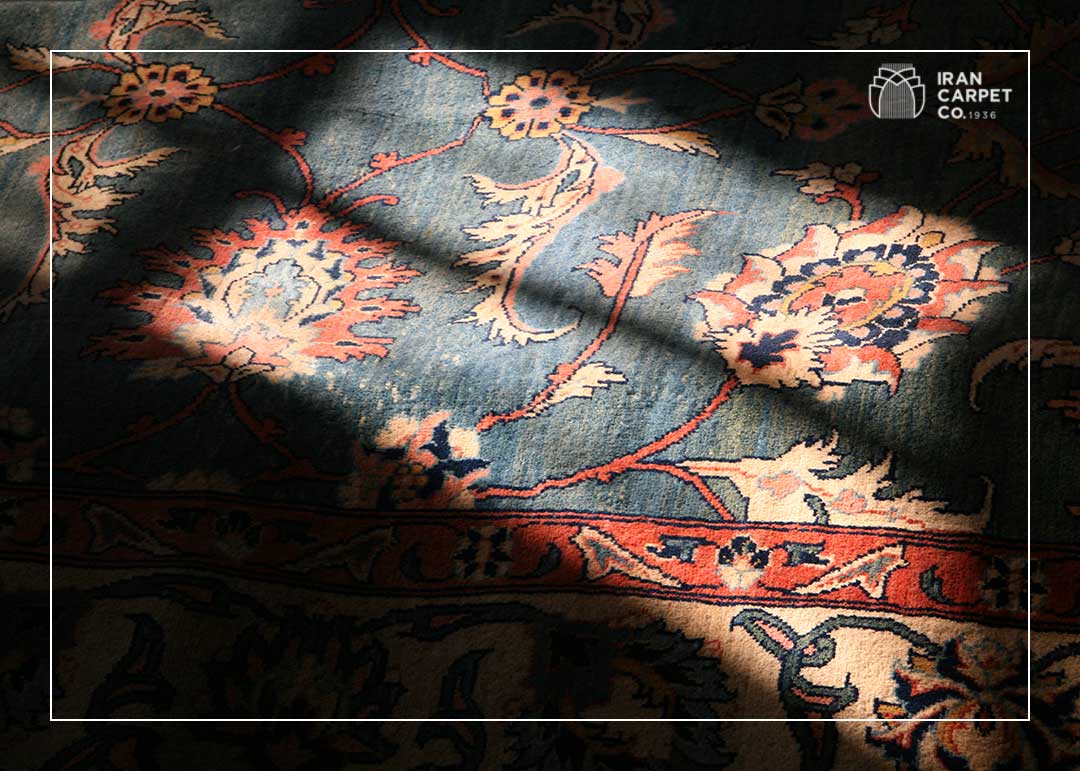
Keeping a carpet in sunlight will cause its colours to fade over time. If possible, keep carpets away from windows. If a carpet is exposed to direct sunlight, rotate it 180 degrees at least once a month. This helps prevent the colour from changing unevenly in areas exposed to direct sunlight, allowing the colours to fade more evenly. Rotating the carpet also helps prevent wear from concentrating in one spot.
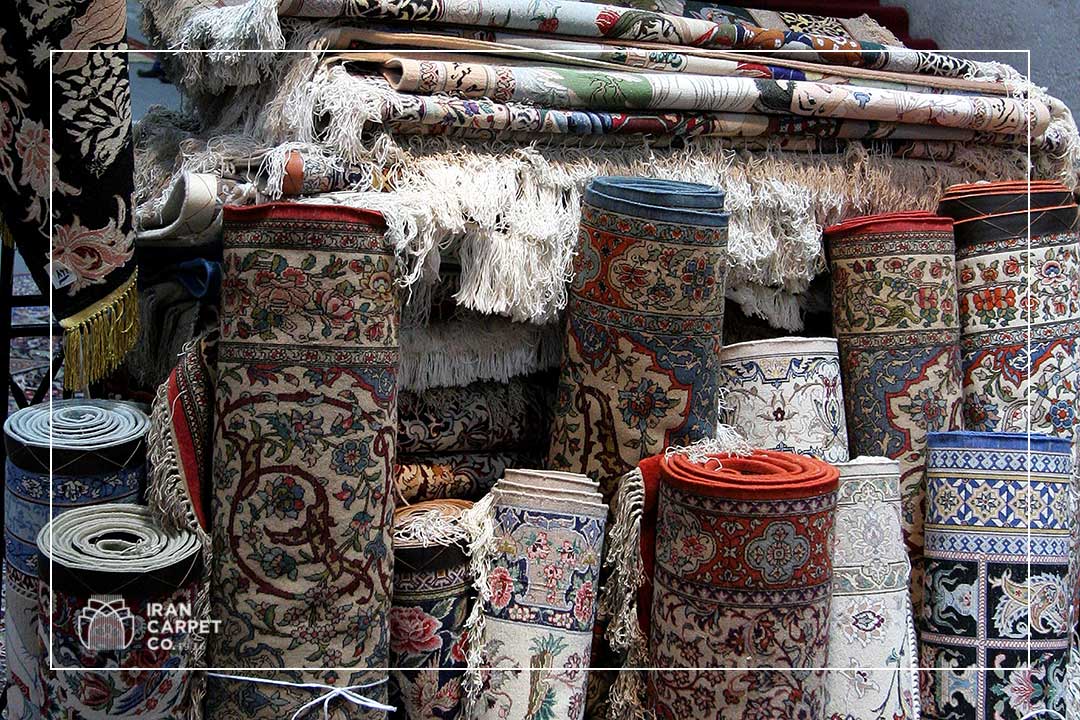
Clean spills promptly
Accidents happen: something may be spilled or dropped on a carpet. When they do, deal with the spill or stain immediately. If left untreated, a stain can seep into the carpet and dry, making it harder to remove. Here are some points to remember and follow in these situations.
- Treat the stain immediately (remove the source of the stain).
- Carefully scoop up liquids with a spoon.
- If necessary, clean with cold water.
- Do not rub liquids or other spills with a paper towel or clean cotton cloth.
- Work from the edge of the stain towards the centre.
- Use only a very small amount of detergent and cold water, if needed.
- If needed, gently brush the stain with a clothes brush.
- Repeat this step twice if necessary.
- You may need to dry the damp area gently with a fan or a hair dryer on a low setting.
- Finish by restoring the direction of the pile (rotate the carpet).
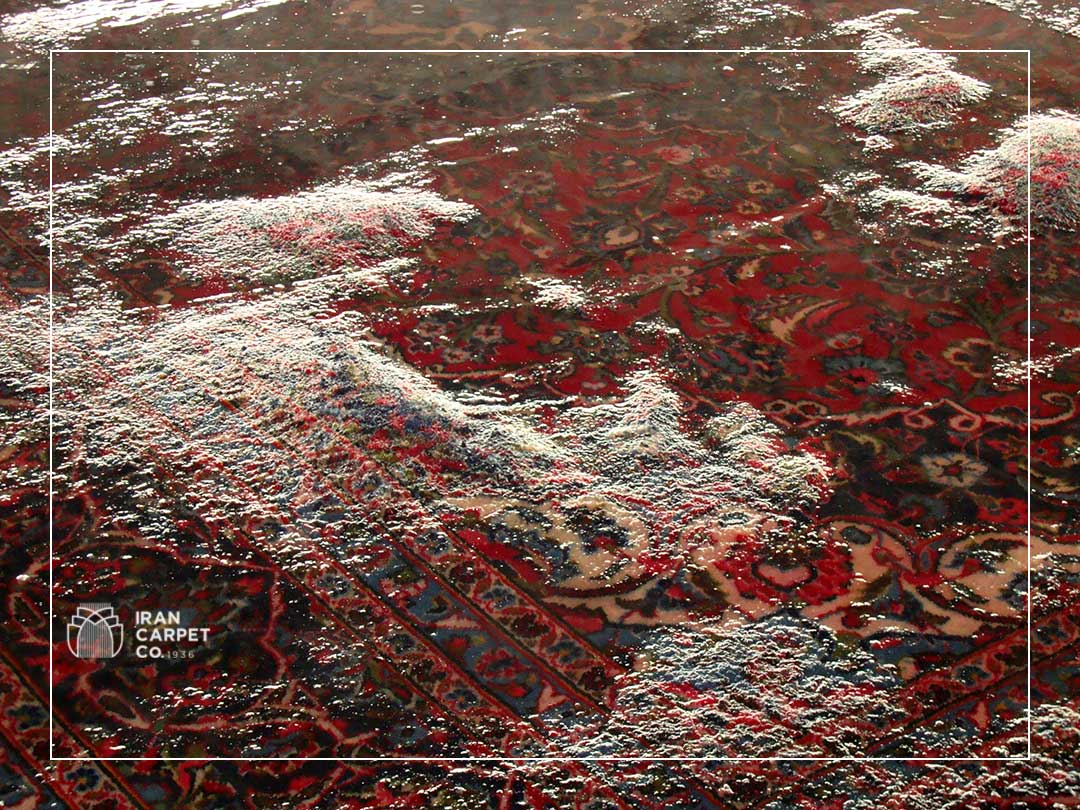
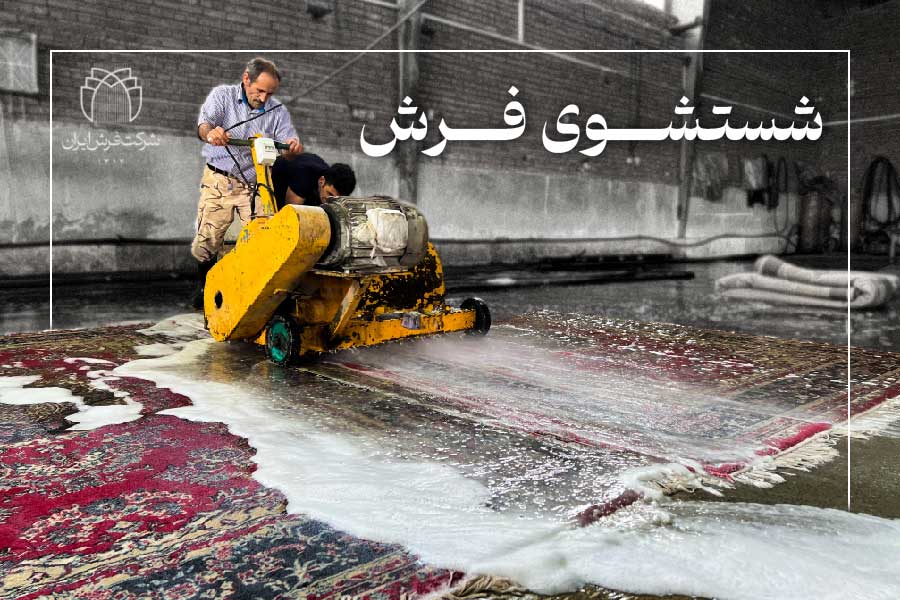
Wash the carpet
- Use diluted white vinegar to restore the carpet’s colour and lustre. Dilute the vinegar with water at a ratio of 1 to 3, then gently apply it with a sponge in the direction of the pile. Do not soak the carpet; only dampen it. Let it air-dry, keeping it out of sunlight, which can bleach the colours.
Washing a carpet correctly can restore the liveliness and lustre of its colours and fibres. Keep the following in mind:
- Use a detergent suitable for carpets.
- It is best to test the detergent first on an inconspicuous area of the carpet.
- If the carpet’s colours are not colourfast, the best option is to take it to a professional carpet cleaner.
- Remember to dry the back of the carpet.
- For greater peace of mind, entrust your carpets to a professional carpet cleaner.
Do not use a steam cleaner
Although steam cleaning is one way to clean carpets, we do not recommend using a steam cleaner on handwoven carpets, as it can cause significant damage to antique carpets.
Steam cleaning can leave a large amount of water in the carpet. This water becomes trapped among the fibres with nowhere to escape. Leaving a wet carpet on the floor not only leaves it vulnerable to rot and mould, but can also damage your flooring. And, finally, the smell of damp and mustiness can be difficult to remove from your home.
Repair carpet damage
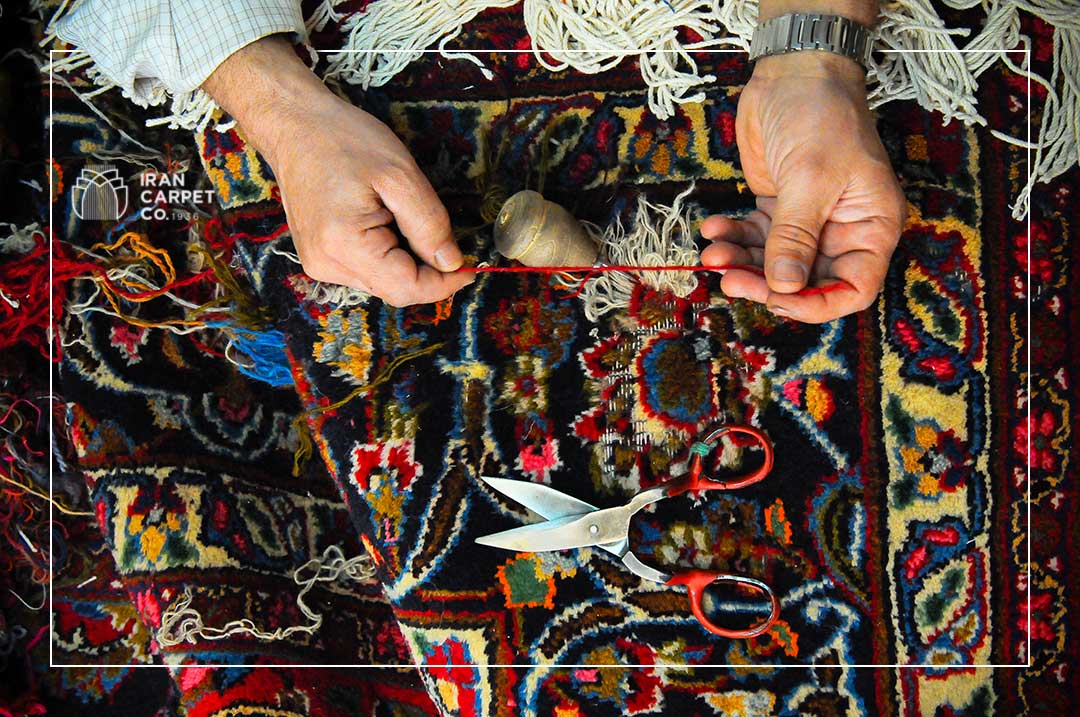
If needed, have any damage to your carpet repaired by a restorer. Repairing a handwoven carpet is often very costly, so take care to protect it as much as possible.
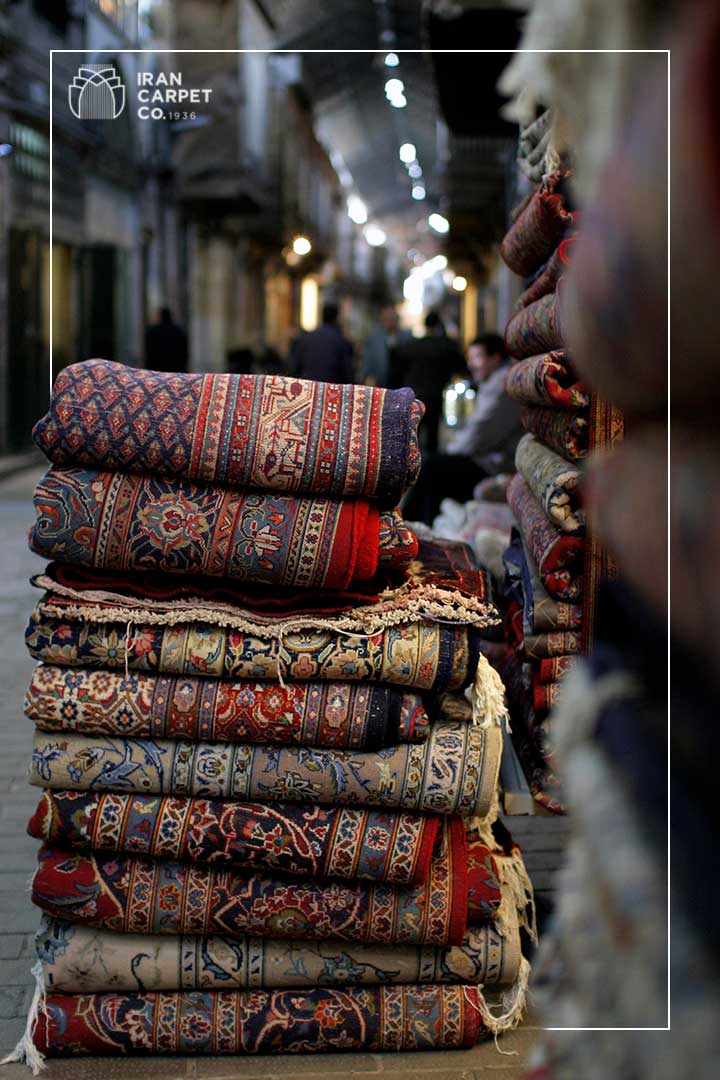
Use a carpet underlay (anti-slip pad)
Whether your carpet is thin or thick, an underlay is an effective and convenient way to minimise wear and tear. It not only extends the life of your carpet but also provides greater safety and comfort by keeping it firmly in place. Some foam carpet underlays also provide sound and moisture insulation.
Move the furniture from time to time
Heavy furniture placed on a carpet can crush its fibres and damage it over time. To prevent this, move your furniture every six months; if that is not possible, rotate the carpet. This helps distribute wear more evenly and extends the carpet’s life.
Take the carpet outside and shake it: If you can, take the carpet outside and shake it to remove dirt and other particles.
Fa’zeh Ghaderi Senior Handwoven Carpet Expert