
Care & Maintenance
Guidance on Safely Storing Handwoven Carpets in Times of Crisis
Mar 30, 20263 min readIran Carpet Company
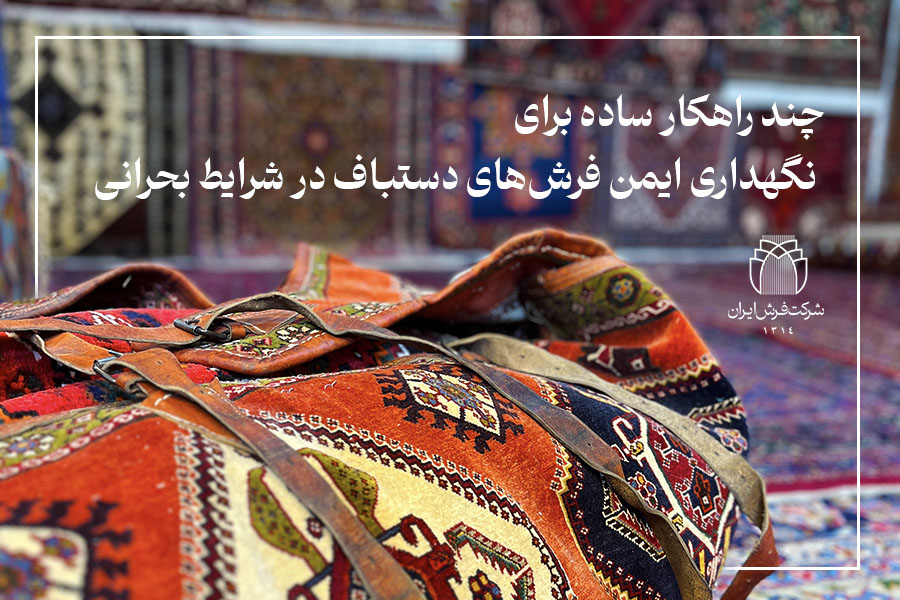
In times of crisis, such as war, protecting valuable family possessions takes on even greater importance. Handwoven carpets, among the most significant cultural and economic assets in many Iranian homes, require special care at such times. If you need to leave home temporarily for any reason, or are concerned that your carpets may be damaged, a few practical precautions can help prevent serious losses.
The first step is preparing the carpet for storage. Above all, it should be thoroughly clean. Dust, fine particles, and other contaminants can cause the fibers to deteriorate over time. If possible, vacuum the carpet; if it has not been washed in a long time, arrange for it to be cleaned properly. Most importantly, the carpet must be completely dry. Storing a damp carpet, even briefly, can lead to mold and unpleasant odors.
After cleaning, consider how to fold or roll the carpet correctly. For long-term storage, the best method is to roll the carpet in the direction of the pile. Avoid folding it, especially along the same lines each time, as this can gradually break the fibers and cause cracks in the weave. For added protection, place the rolled carpet in a cotton cloth or a purpose-made cover to shield it from dust and light.
One of the greatest risks during storage is insect damage and moths. To help prevent this, natural materials such as cedarwood and tobacco, or moth-repellent tablets, are often recommended. Place them inside the cover or near the carpet, but ensure they do not touch the fibers directly, as they may cause discoloration or damage.
If you plan to store carpets at home without checking on them for an extended period, choosing the right location is essential. The storage environment should be dry, cool, and away from direct sunlight. Damp basements, rooftops, and areas subject to sharp temperature fluctuations are unsuitable. If you have no alternative, place the carpet on a pallet or another raised surface to protect it from possible moisture on the floor.
For those who may need to leave home quickly, a simple but effective measure is to temporarily remove carpets from the floor and store them in safer areas of the home, such as built-in closets or interior rooms. This can reduce the risk of damage from explosions, dust, or moisture, as well as the risk of theft.
Finally, if you own exceptionally fine or valuable carpets, the best option may be to entrust them to a specialist storage facility or a climate-appropriate storage warehouse. By monitoring environmental conditions and following professional standards, these facilities can provide greater security for your possessions. When larger concerns weigh on our minds, attending to details such as the proper storage of a handwoven carpet can help prevent financial and cultural losses.
By following these simple but effective recommendations, you can be confident that your valuable carpets are being kept as safely as possible during these difficult days.
Wishing you and our beloved Iran all the very best.
If you need expert advice, you can call 02154637 or message us on messaging apps at 09121212700.
 Care & Maintenance
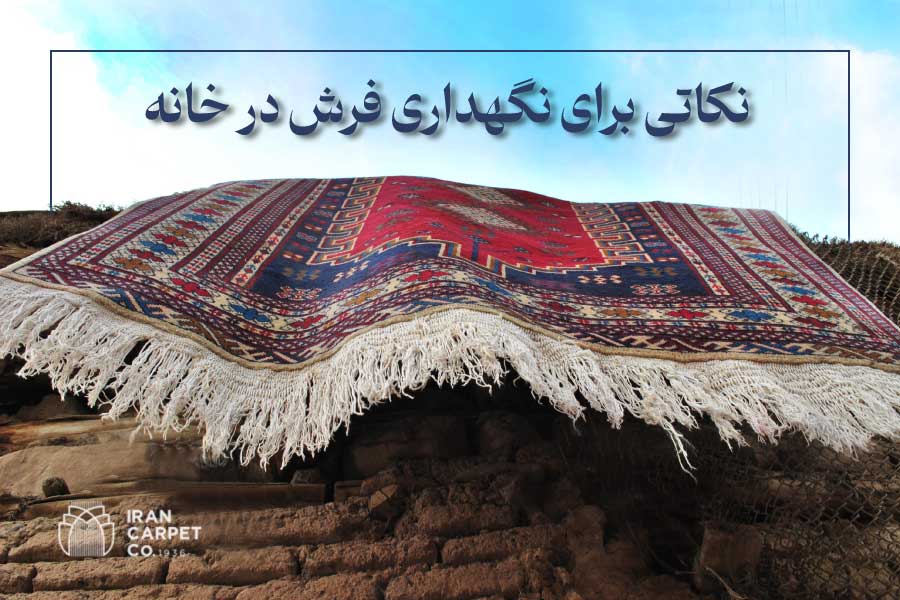
Carpets—especially antique and handwoven Persian carpets—require attentive care. They are treasured possessions and investments for their owners. Here, we look at how to care for Persian handwoven carpets and preserve them for years to come.
 Care & Maintenance
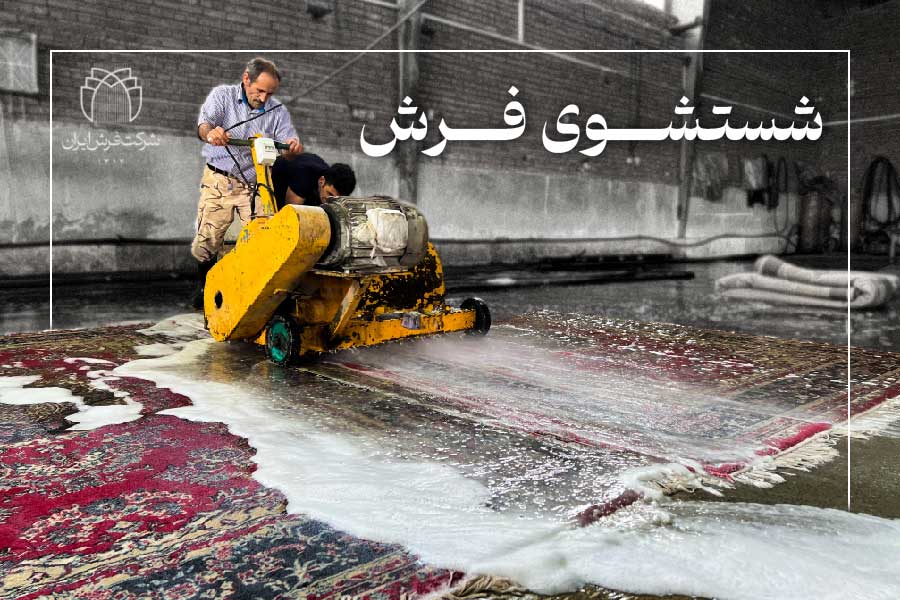
After a carpet has been in use for several years, it is recommended that it be washed, preferably by a professional. If you plan to wash your carpet at home, this guide offers important cautions and useful advice.
 Care & Maintenance
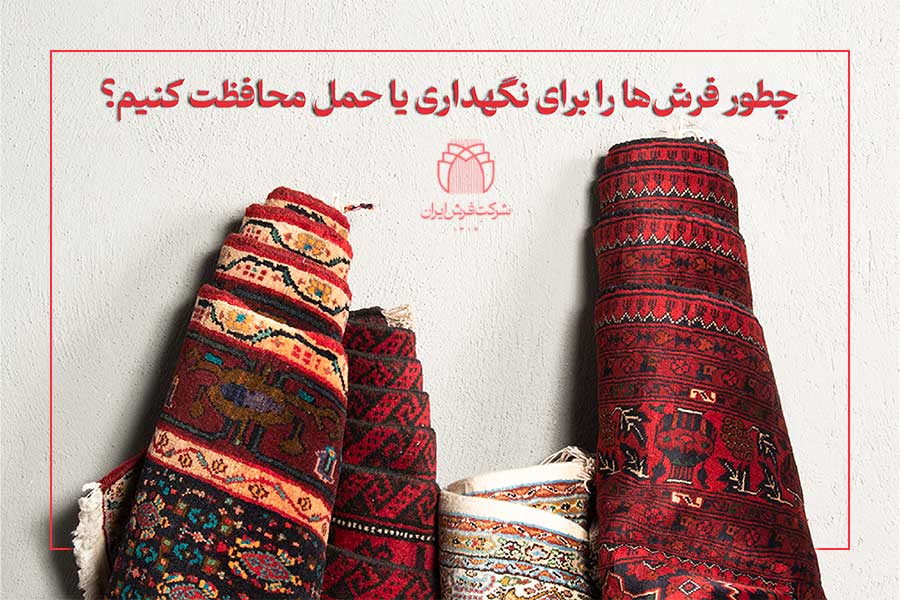
For various reasons, we may need to roll up a carpet or store it in a warehouse. Learning how to store a carpet properly is neither a long nor a difficult process. This guide explains how to prepare your carpets for storage or transport.