Dyeing with Lichens
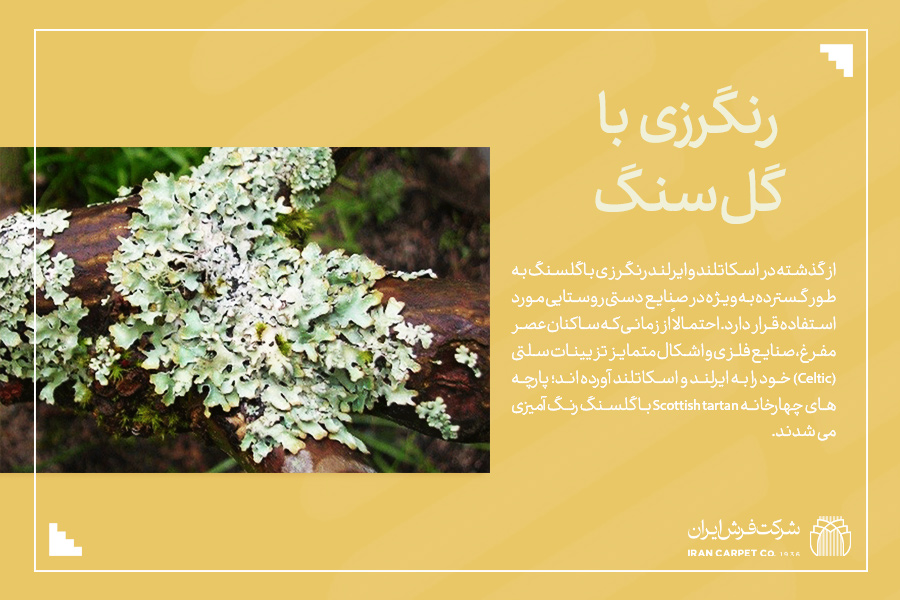
Using Lichens in Dyeing
Sometimes the vast world seems to shrink until it feels so small that we find ourselves murmuring, “My lichen, my lichen, what can I say of this constricted heart…” Perhaps this is because the world of lichens is just as small and intricate. Lichens grow slowly and live for a long time, like an enduring, unfinished longing that is always with us. Some lichens grow only 1 to 2 millimeters a year, and can live for as long as 4,000 years.
A lichen is, in fact, two living organisms—an alga and a fungus—sharing a single body. Lichens are beautiful and usually live on rocks, walls, and tree trunks, forming patches of yellow, whitish gray, or greenish gray. Their world is small: lichens cover only 8 percent of Earth’s surface. They grow in many different parts of the world, across a wide range of temperatures—from arid regions to polar zones—and at most elevations, including places where other plants cannot grow.
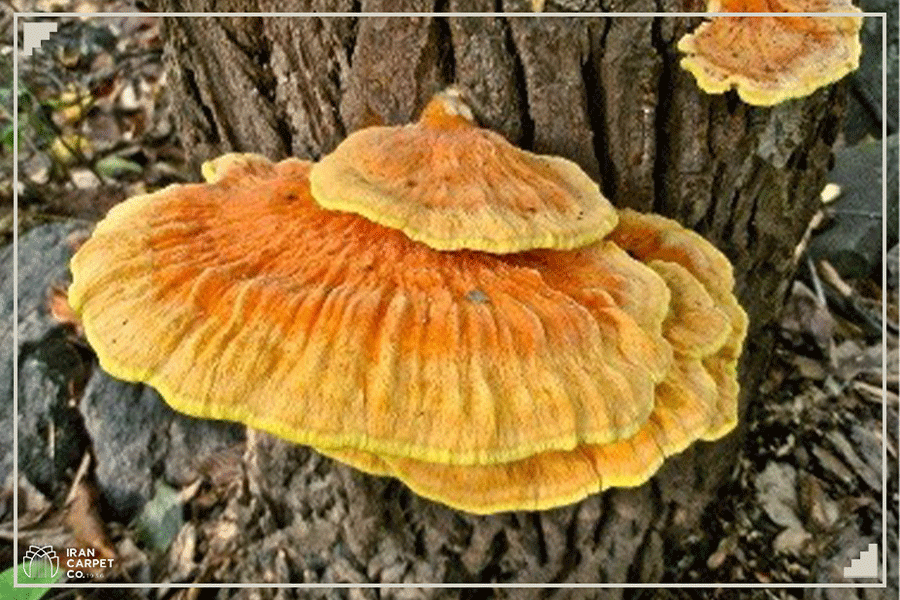
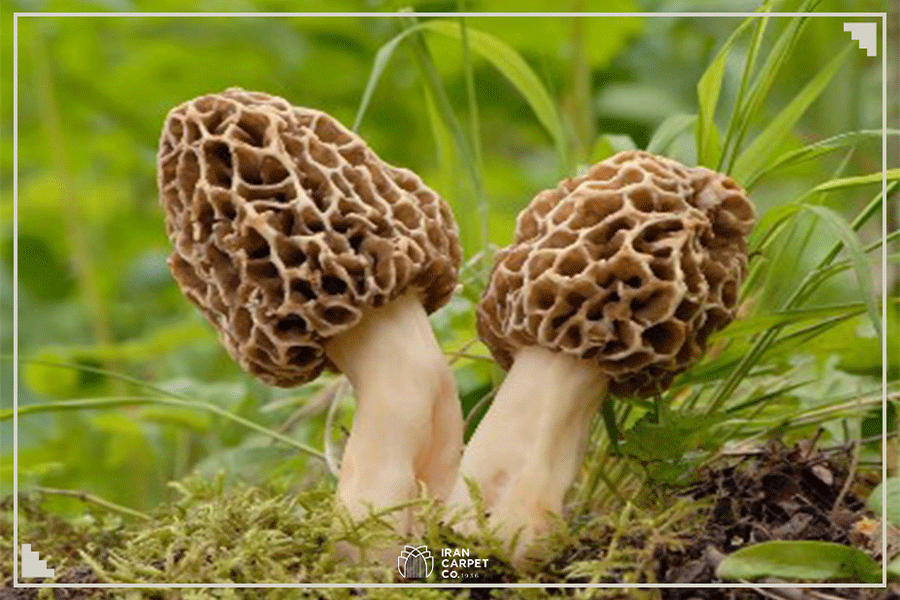
Lichens are a unique group of organisms that cannot be classified within any of the plant divisions. They were among the first multicellular organisms to colonize land. Lichens are composite organisms formed through a symbiotic relationship between microscopic blue-green algae (the photobiont) and colorless fungal filaments (the microbiota). Since algae are green plants, they can make their own food, while fungi lack chlorophyll. In a lichen, therefore, the fungus consumes nutrients produced by the alga, while the alga uses water absorbed by the fungus. The fungal partner, which makes up most of the lichen’s biomass, is usually an ascomycete and, less commonly, a basidiomycete. For this reason, lichens whose fungal partner is an ascomycete are called ascolichens.
 |
 |
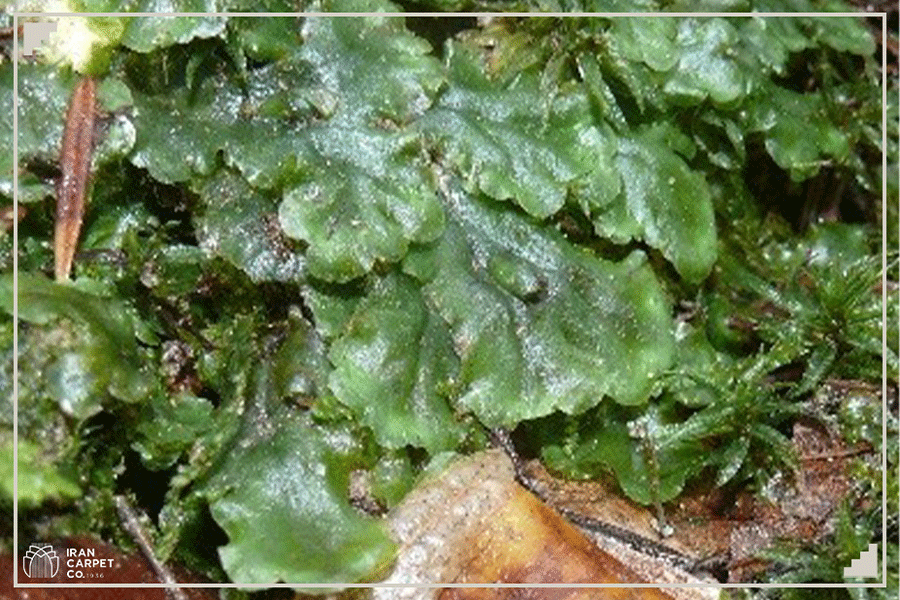
Together, these two partners grow in a symbiotic relationship and form a body called a thallus, which has no roots, stems, or leaves. Lichens differ from mosses, which have stems and leaves and are green because they produce chlorophyll. A thallus bears no resemblance to either a fungus or an alga growing on its own. Lichens have given rise to nearly 20,000 species worldwide.
Although there are thousands of lichen species, only a few families are known as dye sources, and many of their coloring properties may yet remain undiscovered. Lichens have been used for centuries as hair dyes and as sources of dyestuffs. The lichen dye used in litmus test paper is perhaps the best known, but lichen dyes are also used on many traditional textiles and fibers.
Uses of Lichens
Lichens are used in medicine and pharmacy (lichen derivatives can be used to treat tuberculosis and other conditions), dyeing (in Scotland and Ireland, lichen dyeing has been widely practiced, particularly in crafts. Tartans were dyed with lichens and were vividly colored; the Navajo also use lichens to dye carpet wool), tanning, brewing, and perfumery (lichens are used in perfumes alongside other plants because the thallus retains fragrance, as in Evernia prunastri). They also play a role in soil formation.
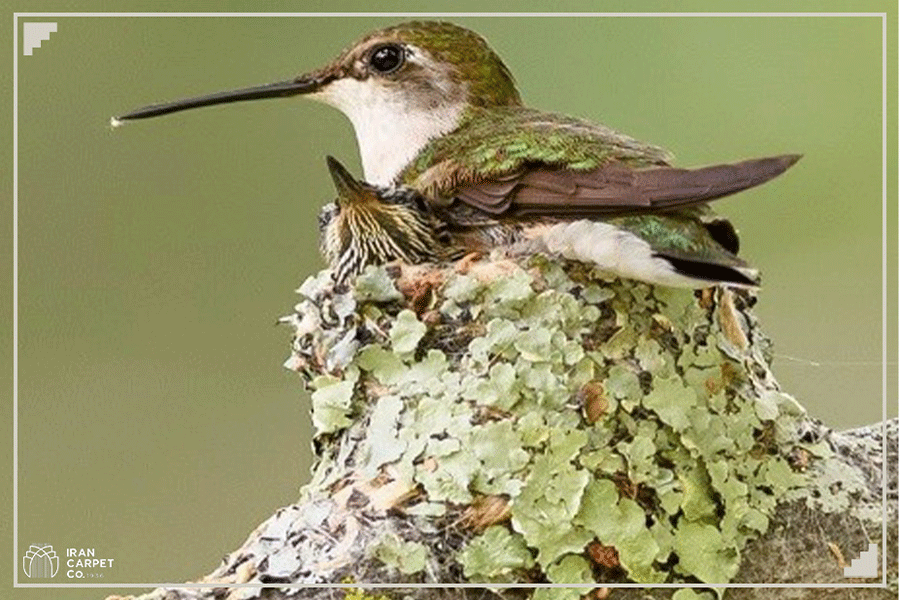
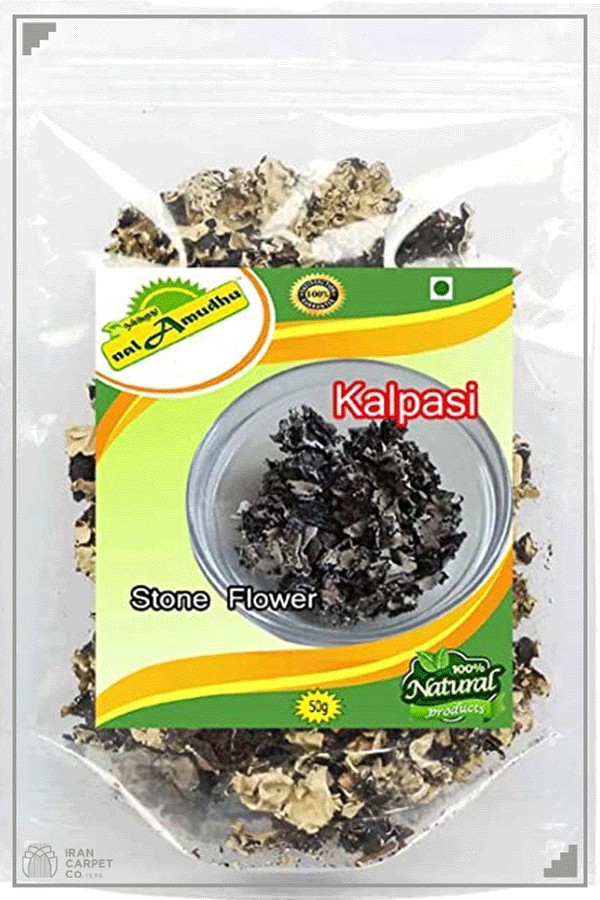
Lichens serve as food for people, including as a Japanese delicacy (Umbilicaria esculenta) and an Indian spice (KalPasi), as well as food for some animals, such as reindeer. Many birds—around 50 species, including hummingbirds—use them to build nests. Lichens are also indicators of air pollution: they absorb toxic pollutants quickly and die. In a simulation of life on Mars conducted at an aerospace center, lichens survived for 34 days and continued to photosynthesize. Because they live for a long time and grow slowly at a steady rate, some lichens—such as the map lichen Rhizocarpon geographicum, estimated to be 8,600 years old and apparently the world’s oldest living organism—can be used to date events, a method known as lichenometry.
 |
 |
|
Lichen in a hummingbird’s nest |
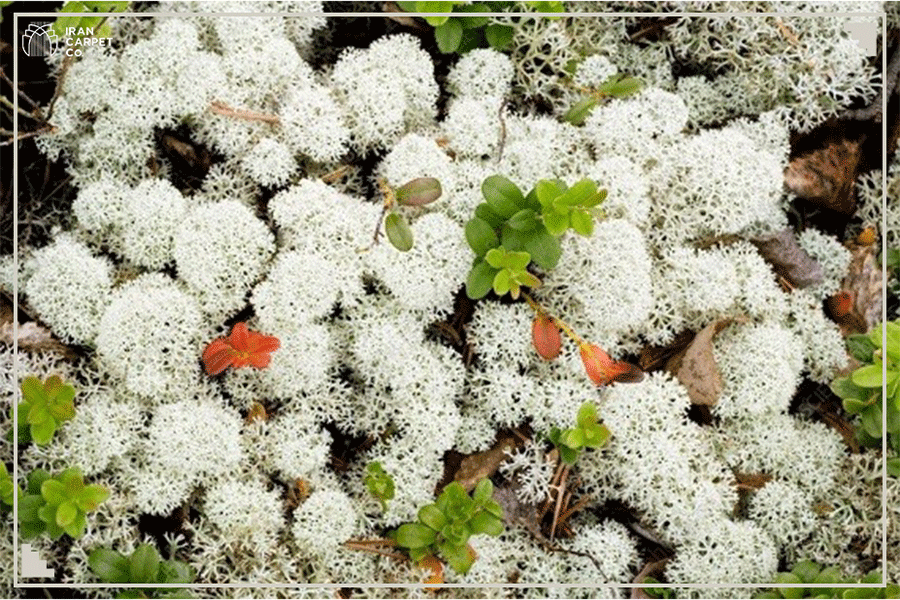
Cladonia stellaris lichen, food for caribou and reindeer |
 |
|
|
KalPasi lichen spice |
|
A History of Lichen Dyeing
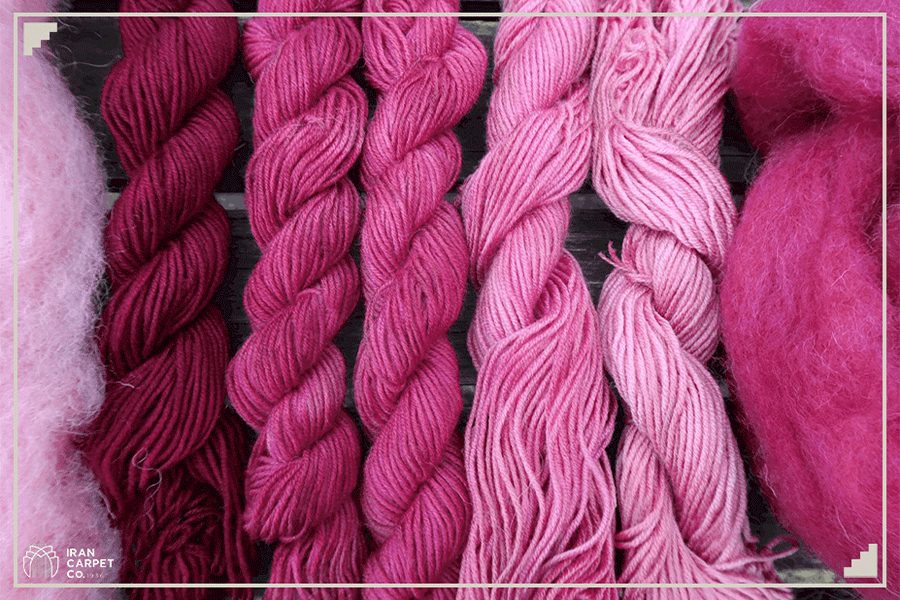
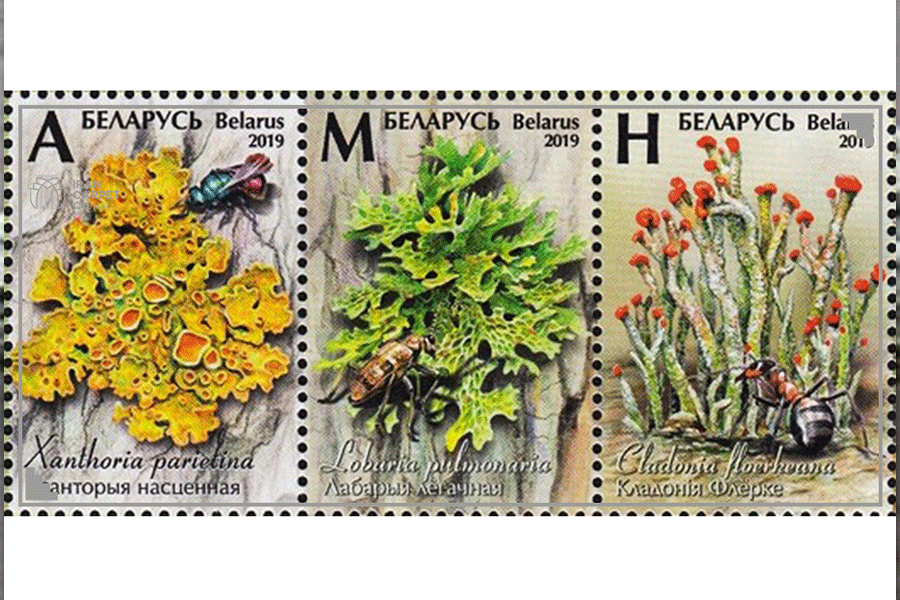
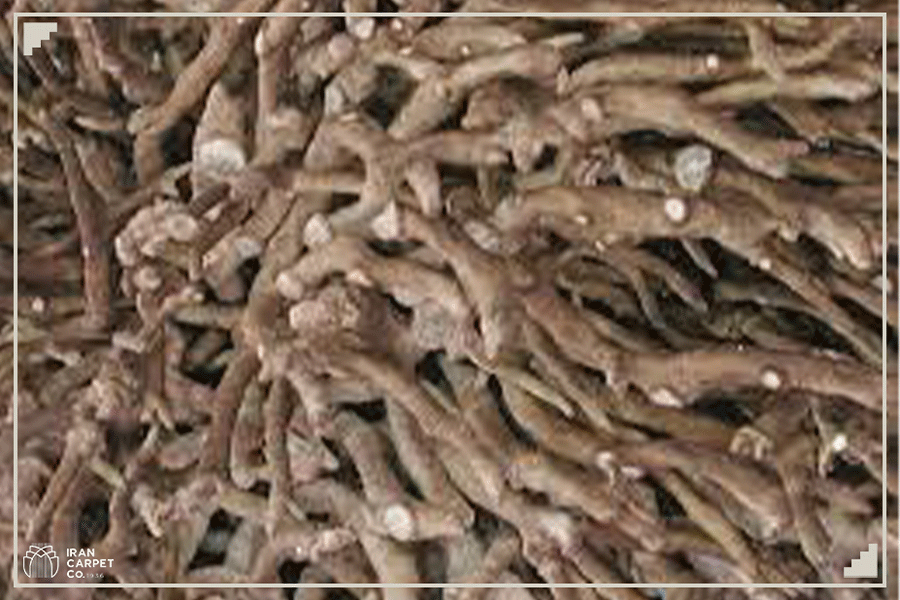
Three dyes have been of particular historical interest: Tyrian purple, orchil, and Perkin’s mauveine. In ancient Greece, when the prophet Ezekiel wrote in the Bible, “Blue and purple from the islands of Elishah covered you,” he may have been referring to lichen dyes. Pliny the Elder wrote of “tender leaves used in Crete to dye clothing,” which were probably Roccella lichens, long known in the Near East and used by the Phoenicians. The term “orchil” was probably introduced in England during the 14th century to refer to a dye made specifically from several Roccella species. It was first made in Florence, where it was known as Oricello. More recently, the name has been used to describe all purple and red dyes made from a wide range of lichens, many of which also have local and commercial names.
Classic Tyrian purple, made from murex sea snails, was so valuable that its extract was often used to dye over purple made from Roccella. As mollusc populations declined, the use of murex gradually fell away, and lichens became the principal source of purple dye because they were compatible with wool and silk textiles. The use of lichens as a source of purple dye was well established in parts of the Mediterranean during Greek and Roman times. Lichen dyeing remained common until the early 19th century, when synthetic dyes replaced it. Sea-snail (murex) and lichen (orchil) dyes date back to before 1500 BCE. In Roman times, these dyes signified wealth and power; purple and red symbolized life. Since prehistoric times, including the Homeric age, Greeks regarded purple as a color of special significance. Early Persian, Babylonian, and Jewish rulers adorned themselves, their followers, palaces, and temples with textiles and tapestries dyed in this symbolic color.
Earth-derived lichen dyes are known as conchoid purples. Roccella grows along Mediterranean coasts, and new sources were found in the Canary Islands and Cape Verde in the 18th century.
 |
 |
 |
 |
Italy became a leader in dyeing in the 14th century, when a Florentine merchant named Federico traveled to Asia Minor, where he observed and learned how particular lichens were gathered and used to make purple dye. After Federico produced the dye through private experimentation, he was granted the surname Roccellia, derived from the lichen Roccella tinctorius.
In Scotland and Ireland, lichen dyeing was widely practiced, especially in rural crafts. This tradition may date back to the arrival of Bronze Age settlers, who brought metalworking and distinctive forms of Celtic decoration to Ireland and Scotland. Scottish tartan fabrics were dyed with lichens.
The use of lichen dyes was known to Native American peoples of the southwestern United States. One account describes the Navajo boiling Parmelia molluscula with natural alum to produce orange, then leaving it in the dye bath overnight to turn it reddish bronze. Juniper-tree ash was used as a mordant.
Types of Lichens
Lichens grow relatively slowly; many take 50 to 100 years to reach the size of a hand. They swell in rain and are easier to collect in damp weather. Lichens have no roots, so they absorb the nutrients they need from the air. They therefore require clean, well-lit air and cannot survive near smoke-polluted cities, making them useful indicators of air quality. They are more abundant and diverse in western Britain—in Cornwall, Wales, the Lake District, and Scotland—and in tropical regions, especially where rocks are exposed to moisture. In Iran, lichens can also be found in Fars, Mazandaran, Kohgiluyeh and Boyer-Ahmad, Khorasan, Lorestan, and other regions.
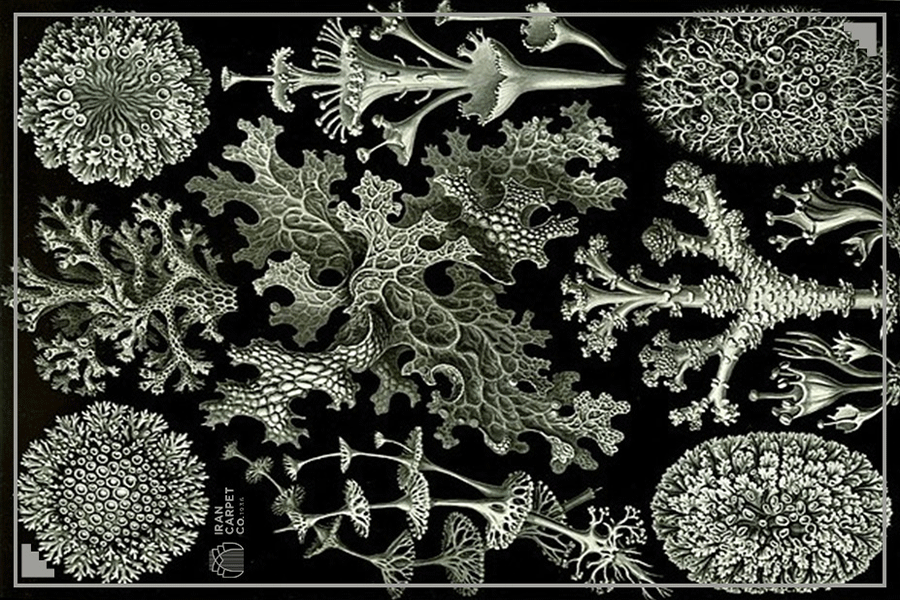
The overall form of a lichen body (thallus) is usually determined by the microbiota, though in a small number of cases the photobiont determines the general shape of the thallus. Lichens take different forms depending on their fungal, algal, and cyanobacterial species.
- By morphology, lichens may be classified as follows:
1. Crustose
2. Foliose
3. Fruticose
4. Squamulose
5. Leprose
6. Gelatinous
7. Filamentous
8. Byssoid, fine and woolly in appearance
9. Structureless
- They may also be classified according to their internal structure:
1. Heteromerous lichens
2. Homoiomerous lichens
- Or according to their fungal partner:
1. Ascolichens
2. Basidiolichens
3. Hymenolichens
The three groups of greatest interest are crustose, foliose, and fruticose.
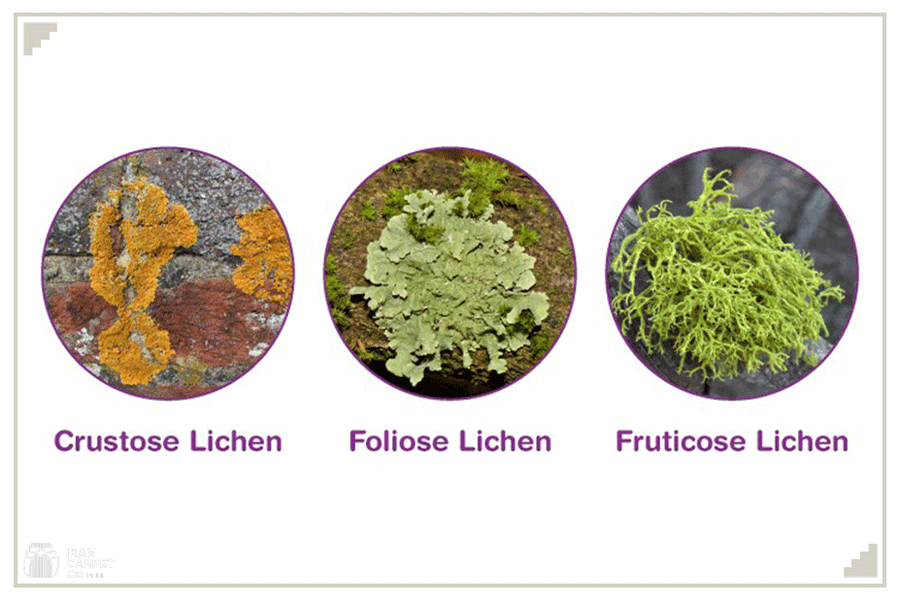
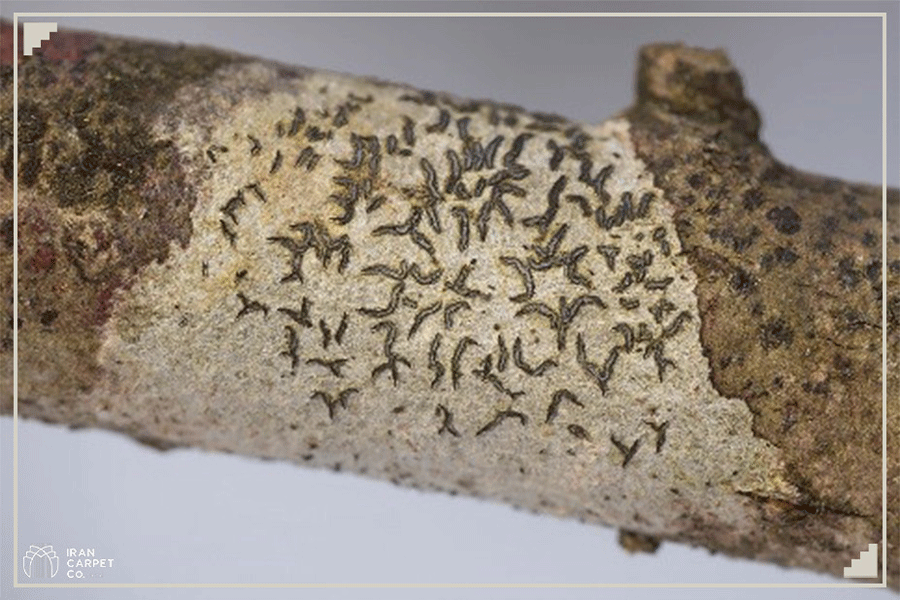
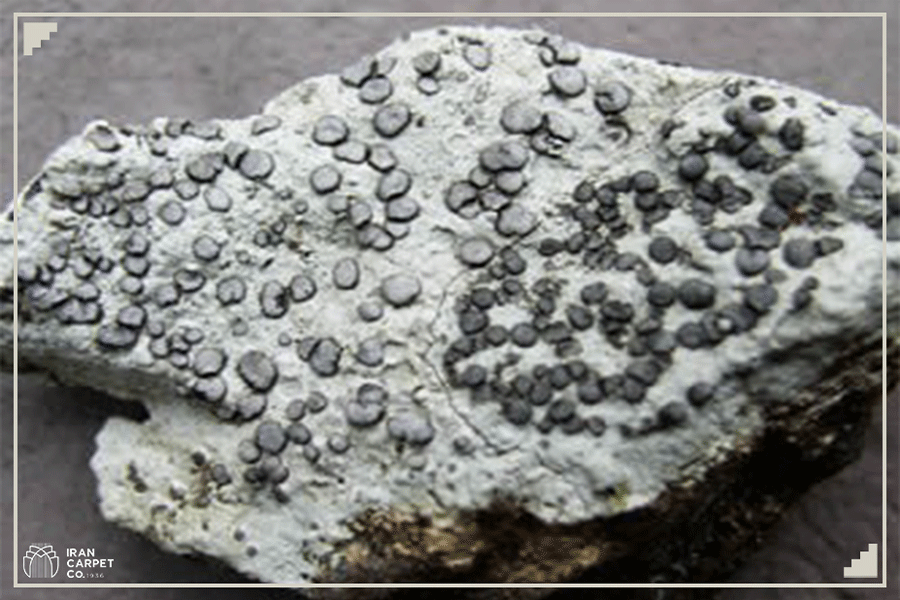
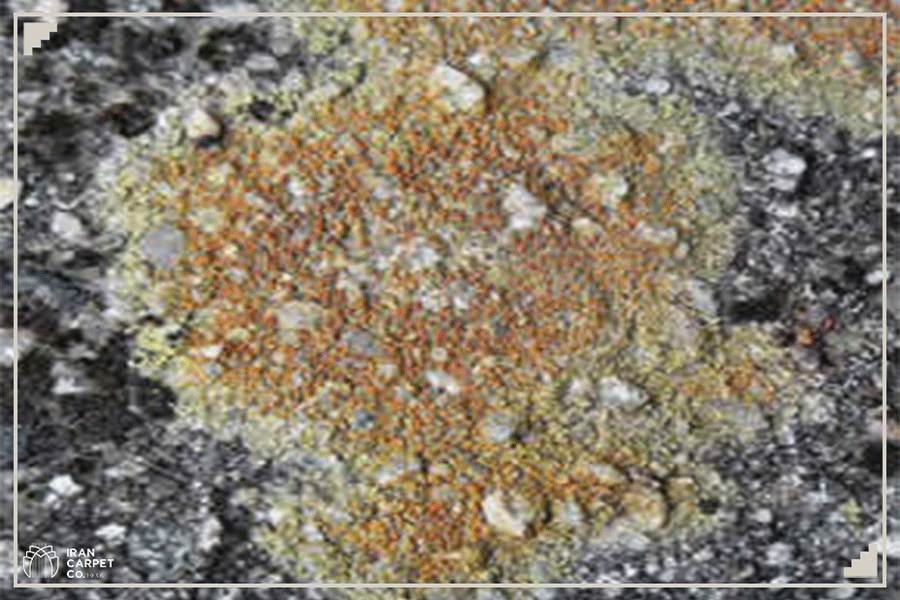
Crustose lichen: Crustose lichens adhere firmly to the material on which they grow and are difficult to remove. They are often found on rocks and tree bark. The yellow or orange patches seen on rocks are usually crustose lichens.
 |
 |
 |
|
Crustose lichen on bark: Graphis scripta, in the family Graphidaceae. Its growth pattern resembles writing, so it is also called script lichen. |
Crustose lichen on rock: smoky-eye boulder lichen, Porpidia albocaerulescens |
Crustose lichen on cement: sidewalk firedot lichen, Caloplaca feracissima. It is so named because it often grows on concrete sidewalks. |
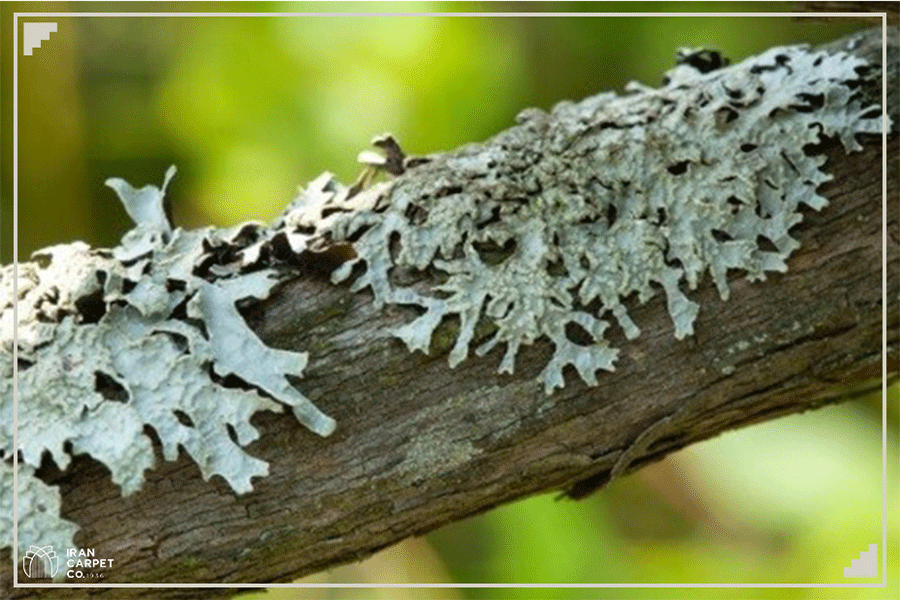
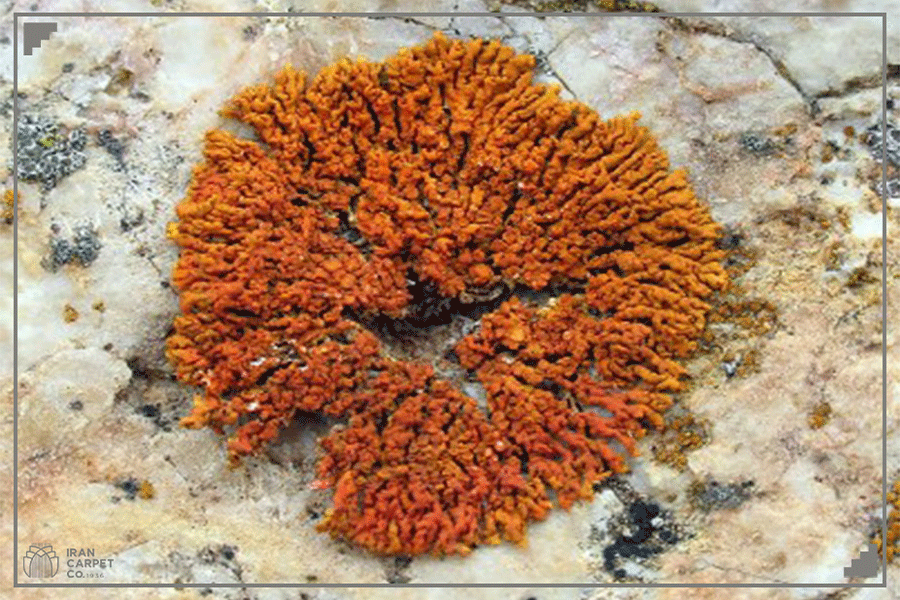
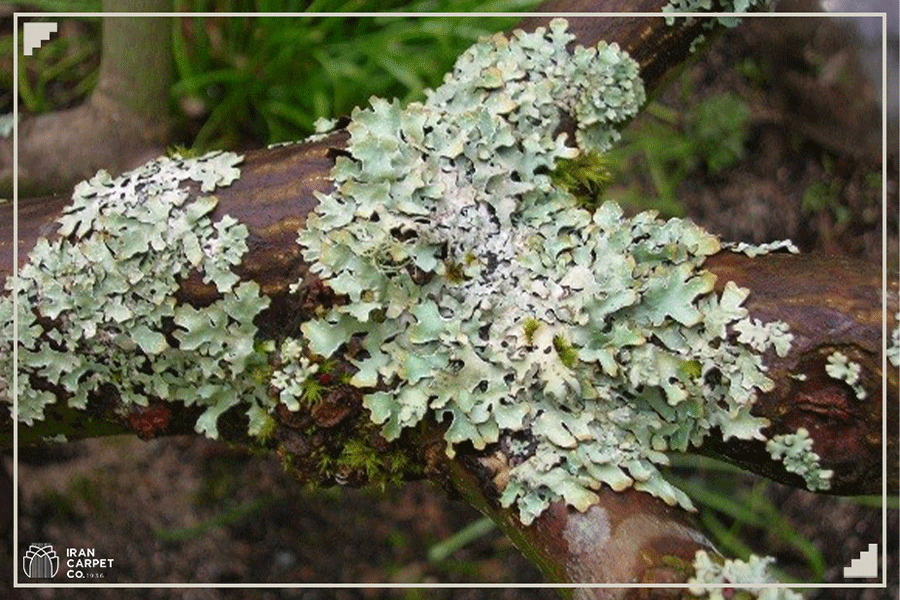
Foliose lichen: These lichens are leaf-like, with lobed edges, and can be removed easily from the surface on which they grow.
 |
 |
|
Foliose lichen on a branch: hammered shield lichen, Parmelia sulcata. This lichen is highly resistant to pollution, is found around the world, and is among the most common lichens. |
Foliose lichen on a gravestone: Xanthoria parietina, also known as sunburst lichen, orange foliose lichen, or coastal Maine lichen. It grows on rocks, often near bird or rodent nests. |
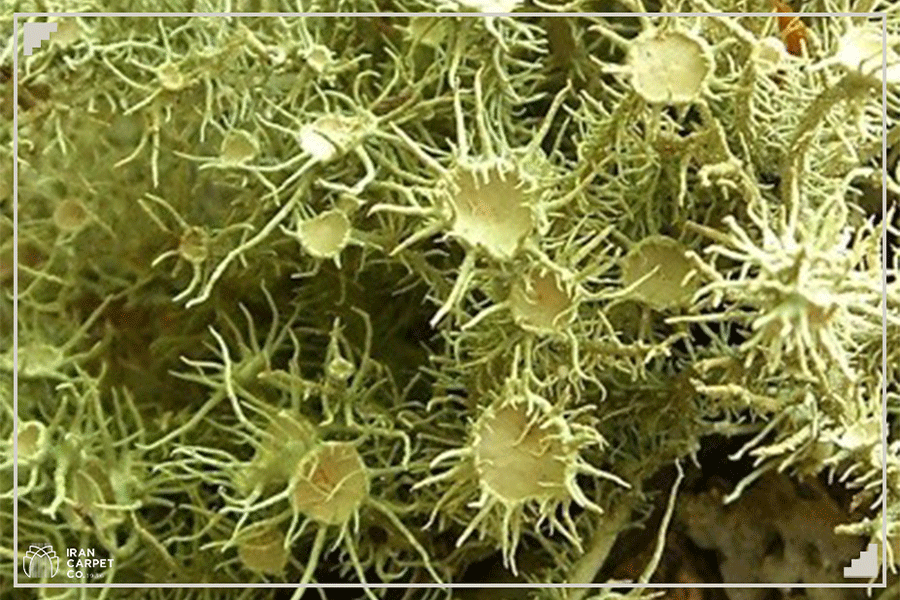
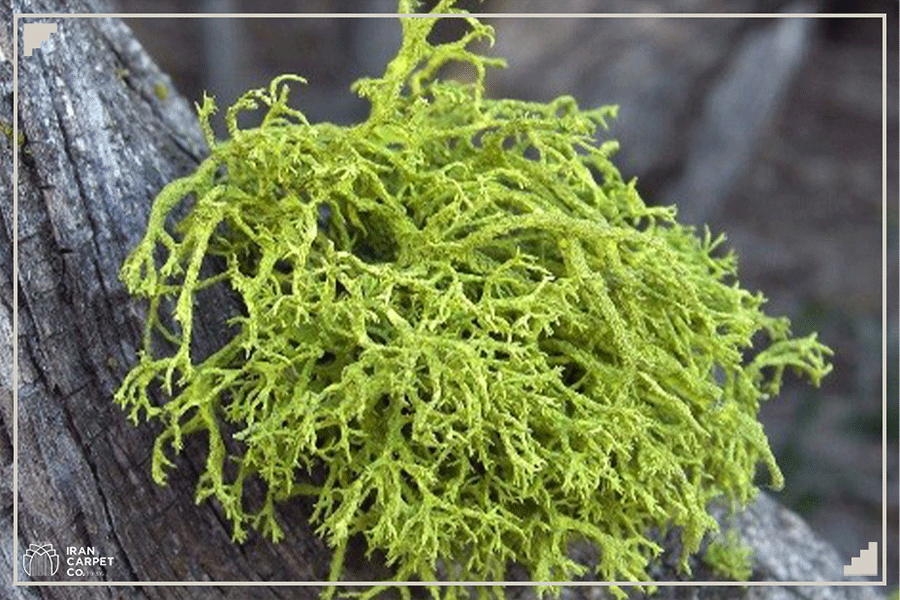
Fruticose lichens: Fruticose lichens resemble small branching shrubs or miniature leafless trees, like threads. They grow like bushy coral on rocks, trees, and soil. The word “fruticose” comes from Latin and means bush or shrub.
 |
 |
|
Fruticose lichen: bushy beard lichen, Usnea strigosa |
Fruticose lichen growing on wood: wolf lichen, Letharia vulpina |
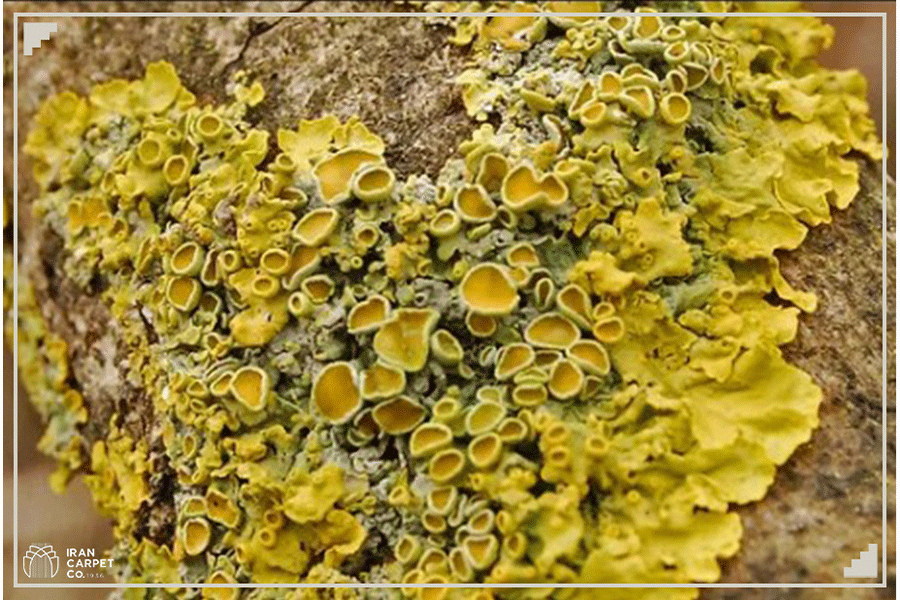
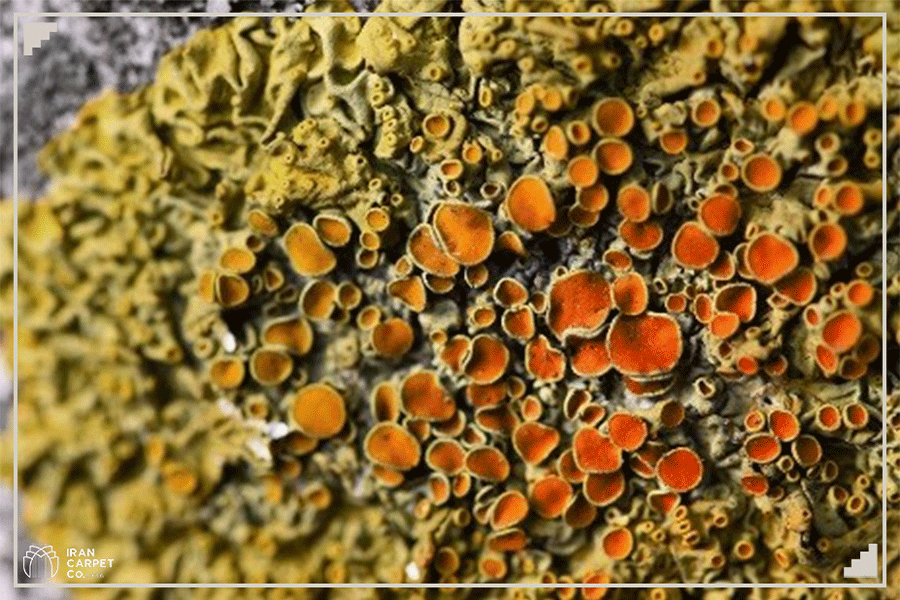
Squamulose: Squamulose lichens have scale-like lobes resembling roof shingles.
 |
 |
|
Squamulose lichens |
|
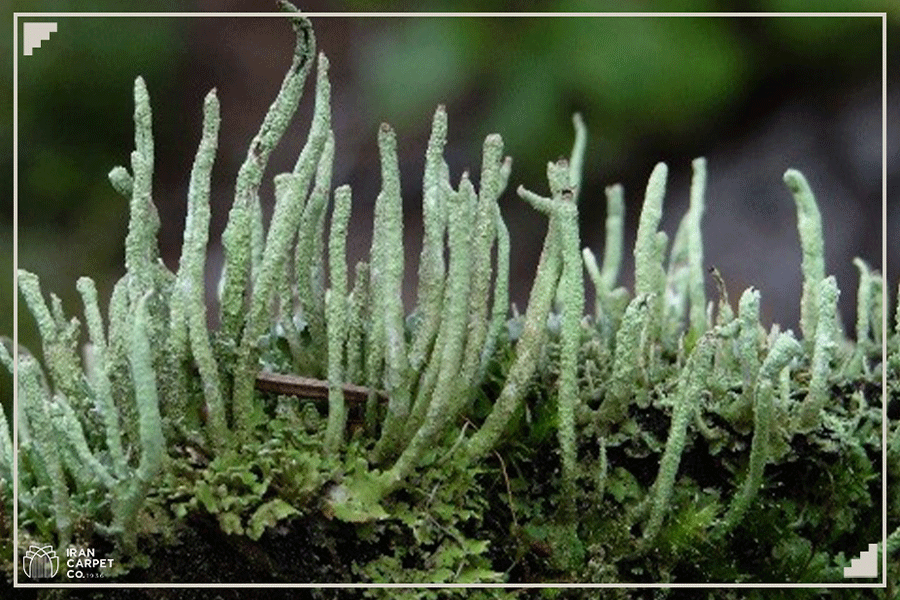
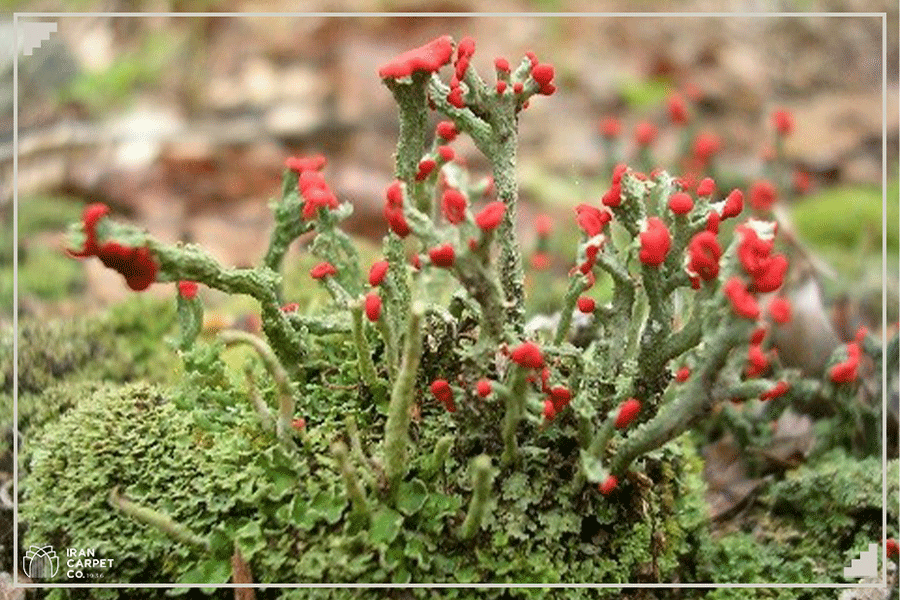
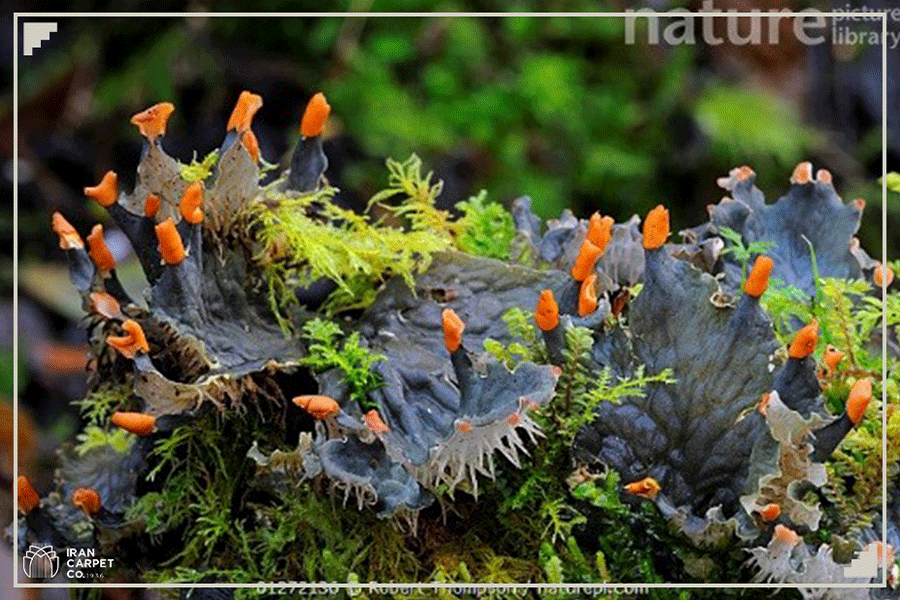
Some lichens combine squamulose and fruticose forms, as in species of Cladonia.
 |
 |
|
Common powderhorn lichen, Cladonia cf. coniocraea |
Fruticose lichen: British soldiers lichen, Cladonia cristatella. The fungal structures are red, which gives the lichen its common name. |
Spore structures are important in identifying crustose lichens. Crustose lichens are sometimes called microlichens because a microscope is needed to identify them. Foliose and fruticose lichens are identified by their substrate, growth form, and color, and are called macrolichens.
Dyeing with Lichens
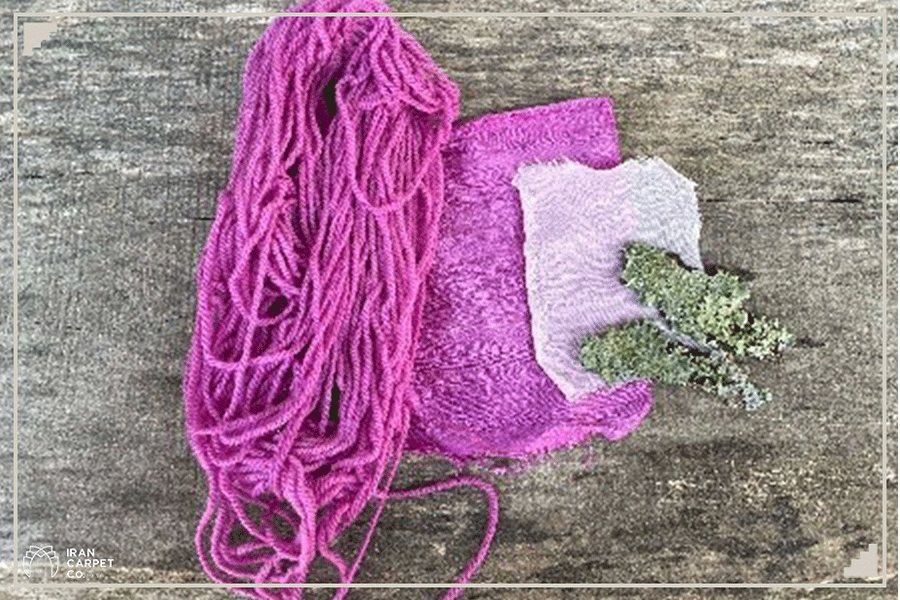
The techniques and knowledge behind making purple lichen dyes (orchil) were once closely guarded secrets. The first account of how to prepare purple dye was published by Roseto in 1540. One of the best-known lichen dyes is orchil, which produces purple or reddish-purple hues. The lichens used to make orchil include species of Ochrolechia, Roccella, and Umbilicaria. Orchil is highly sensitive to changes in pH. By adjusting the acidity of the dye bath, a wide range of colors can be obtained, from reddish brown to red, pink, and purple. Litmus, made from orchil, is used as an acid–base indicator. Since synthetic dyes have replaced lichen dyes in the textile industry, orchil is now used mainly as a food coloring and acid–base indicator.
 |
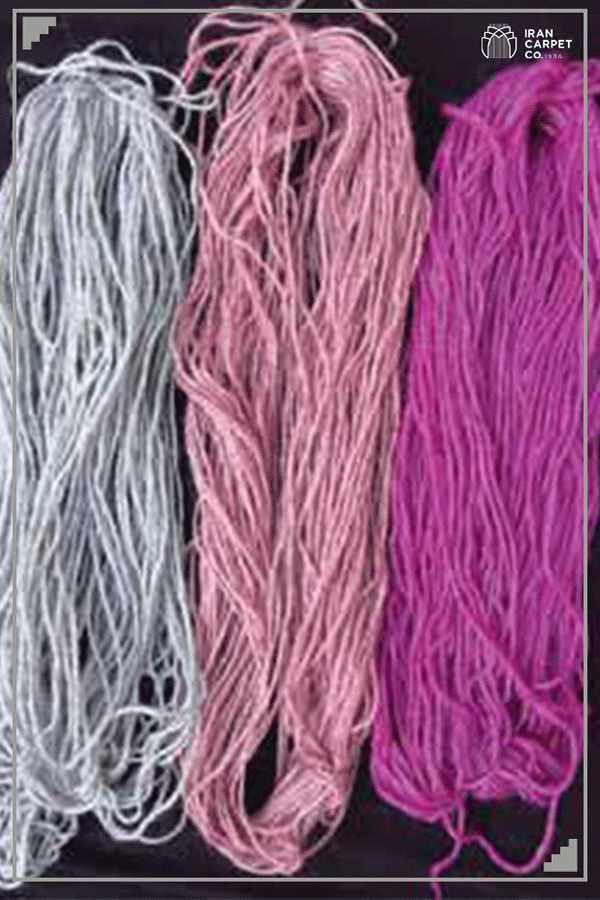 |
Lichens that produce orchil undergo a preparatory process before dyeing. To release the colorant, they are soaked in ammonia or urine, crushed in water, and kept under conditions that allow good oxygenation. Oxygen is essential to convert lichen acids into dye. Depending on the type of lichen, this process can take from 3 weeks to 6 months, and the mixture must be stirred three times a day. The lichen undergoes a form of fermentation, and purple color develops over several weeks.
Some lichens yield rusty red, brown, and golden colors. These are often called crotal—a Gaelic word—or crottle. They do not need to be fermented and are usually boiled together with fibers, yarn, or fabric. They have been used traditionally in Scotland for centuries. The warm, earthy scent of yarn dyed with crottle also helps deter moths.
Although some historical recipes recommend alum for orchil, neither orchil nor crottle requires a mordant. Since lichens do not need a mordant, they are a rich source of plant-based dyes.
Lichen dyeing is commonly carried out using three methods:
1. Boiling water method (BWM) 2. Ammonia fermentation method (AFM) 3. Dimethyl sulfoxide extraction (DEM)
Each fiber sample is weighed before dyeing and washed in distilled water so the dye can penetrate and fix well. The weight of dried lichen should be equal to the weight of the fiber, although this may vary depending on the lichen species. Mordants can be used in all three methods to modify the color obtained from lichen dyeing.
 |
|
 |
 |
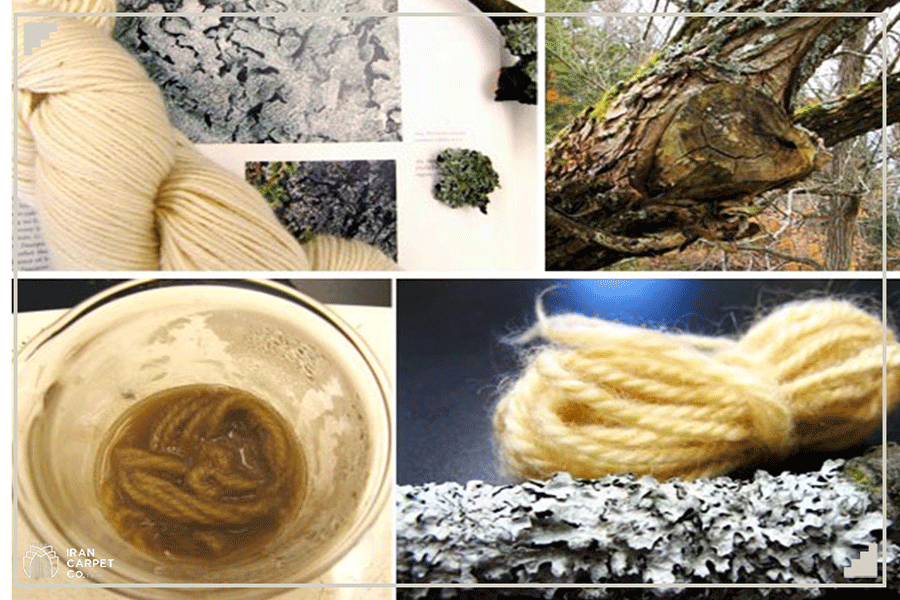
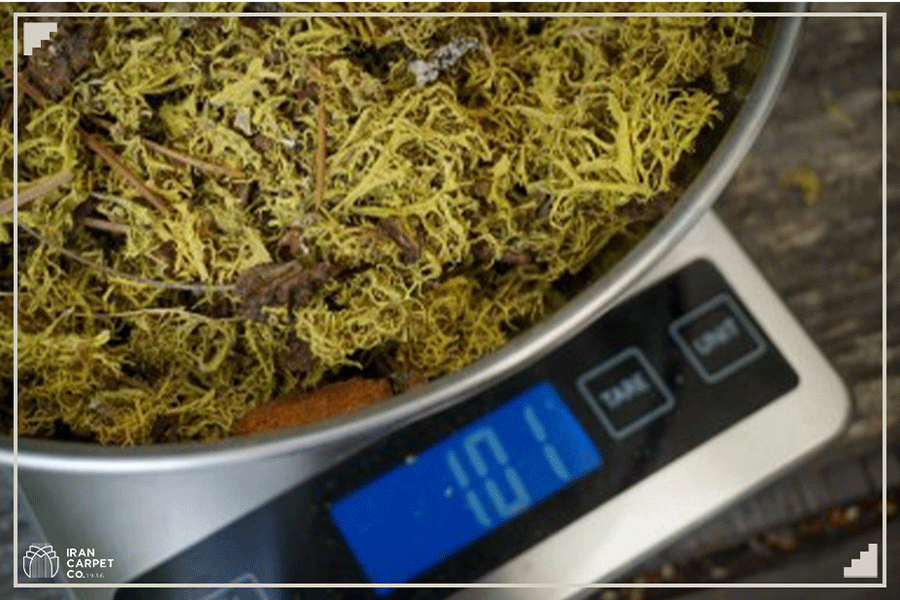
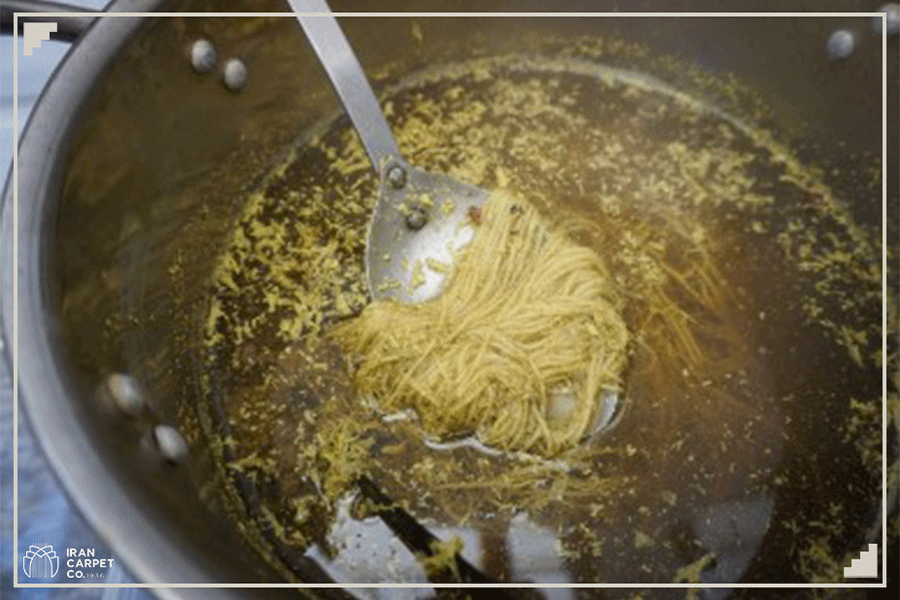
1. Boiling water method (BWM): Add powdered lichen to distilled water and heat until it boils. Keep the mixture boiling for one hour, then strain it and boil it again for at least two hours, until the dye is extracted. Immerse the pre-soaked fibers in the dye bath and heat gently. Add the dye when the water is lukewarm, then bring the bath close to boiling and boil the fibers in it (at a maximum temperature of 90°C for 2 hours). Once the dye bath has cooled, rinse the fibers in cold water and dry them to reveal the color. This method produces light shades; the fiber or fabric is usually dyed several times to achieve a darker color. It is generally used for wool, while a variation of the method is used for silk.
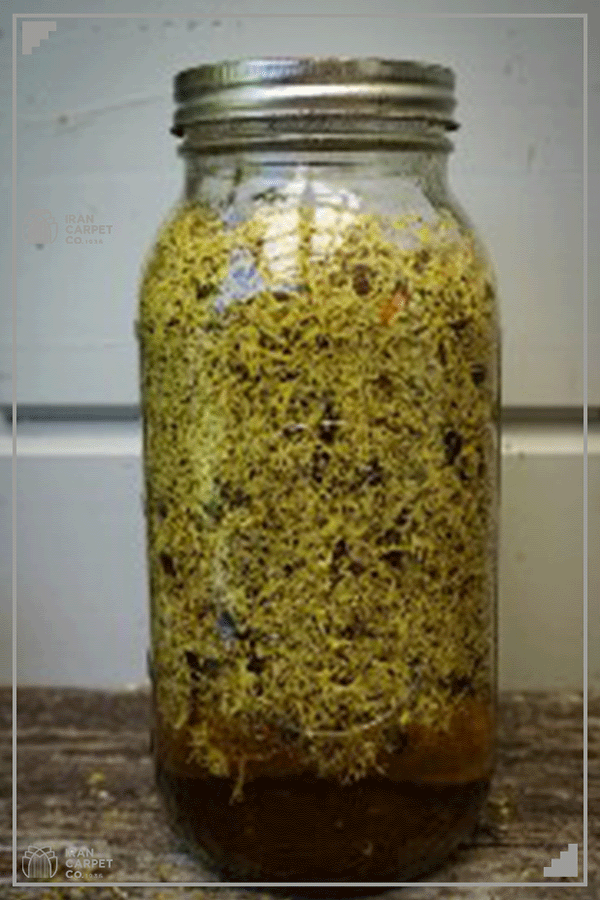
2. Ammonia fermentation method (AFM): The traditional process for extracting dye from lichens involves adding them to stale urine and crushed lime, then allowing the mixture to mature for about a month. If fermentation continues for too long, the dye deteriorates. Different shades can be obtained by varying the alkalinity of the bath. Add the lichen to a diluted ammonium hydroxide solution (one part NH4OH to ten parts distilled water), stir thoroughly, and leave for a month. Add the pre-soaked fibers; after a month, remove and dry them.
 |
 |
 |
 |
|
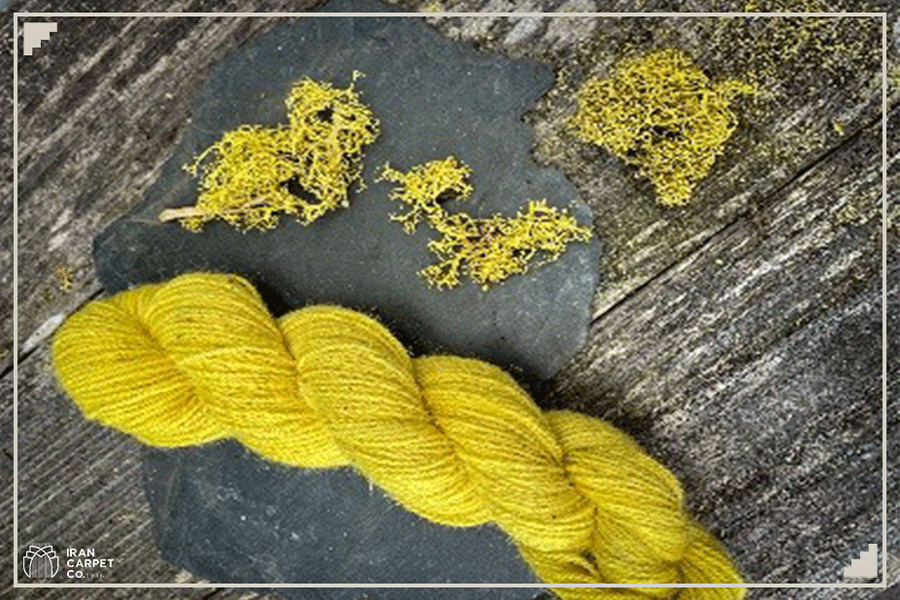
Wool dyed with wolf lichen |
|||
3. Dimethyl sulfoxide extraction (DEM): Add crushed lichen to a dimethyl sulfoxide solution, stir thoroughly, and cover with aluminum foil. Keep the mixture at room temperature for one month to extract the dye. After a month, add the pre-soaked fibers. Leave them for another month, then remove them, rinse with distilled water, and dry.
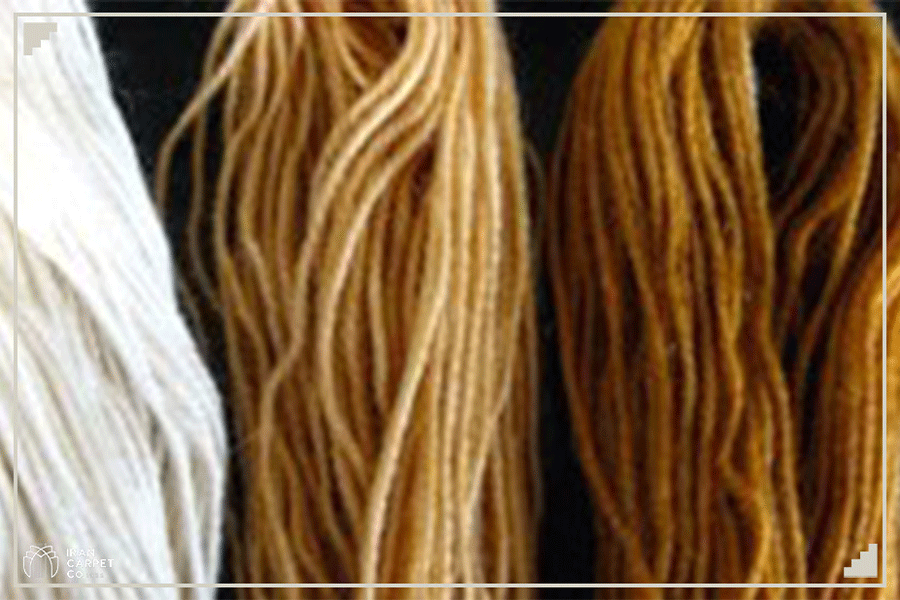
Lichens dye wool and silk well. White or natural carpet wool takes brown lichen dyes beautifully, and a carpet woven with this wool will retain an appealing fragrance. Dog’s-tooth lichen is suitable for dyeing cotton and linen. Lichens do not require mordants, but adding different substances can produce interesting color variations. Traditional mordants such as alum, chromium, tin, and iron, as well as copper sulfate, ammonium sulfate, and tannic acid, can all be used.
Because coloring acids may lie beneath the lichen’s surface or at its center, it is important to crush and grind lichens thoroughly before dyeing. Lichens swell in water, but it is sometimes better to soak them overnight and boil them in the same water. As a rough guide, use 120 grams of lichen to test dye 120 grams of wool. However, many lichens have strong dye potential and can be used in smaller quantities.
- For dyeing purposes, lichens can be divided into four groups:
1. Lichens that yield color only when boiled.
2. Lichens whose color is extracted through ammonia fermentation.
3. Lichens that produce different colors depending on the method used.
4. Lichens that produce no dye by any known method.
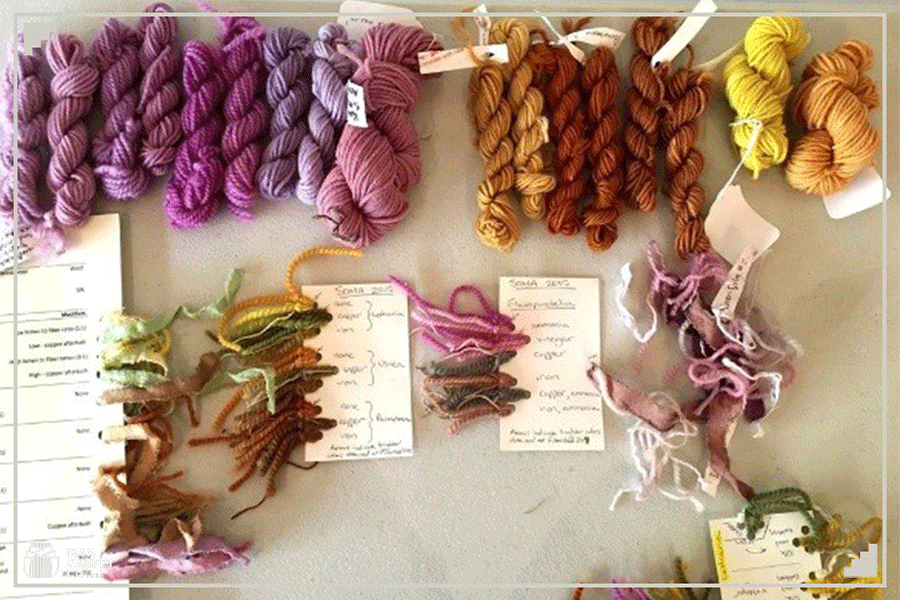
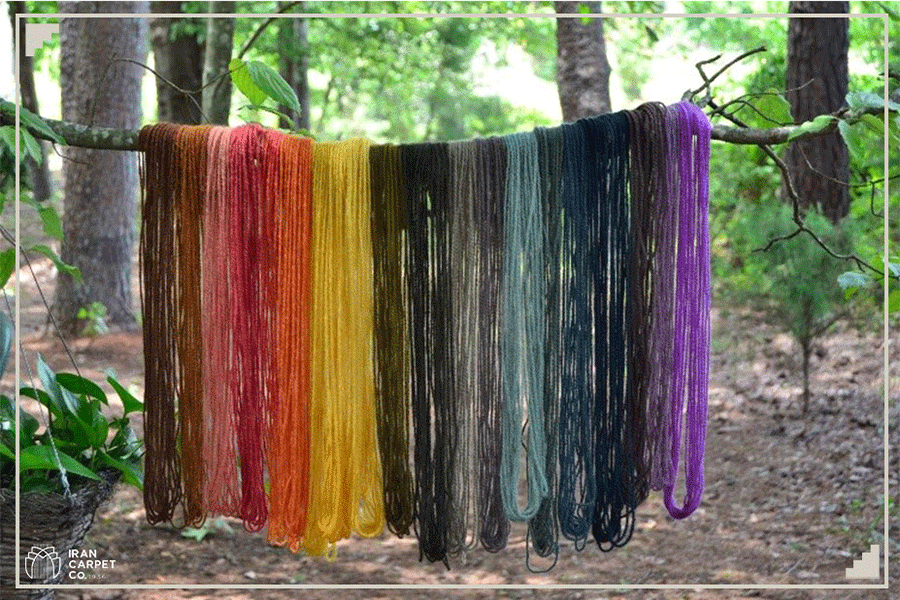
Among the Navajo, 35 lichen samples were used to dye wool through the boiling water method (BWM), ammonia fermentation method (AFM), and dimethyl sulfoxide extraction (DEM). The resulting colors were predominantly brownish, but yellow, orange, pink, purple, gray, and blue were also obtained. Dyed wool samples were tested for lightfastness. Most faded to some extent, and some changed color, but most colors obtained through dimethyl sulfoxide extraction proved lightfast.
These colors changed with variations in: 1. fermentation time; 2. dyeing time, temperature, or pH level; 3. exposure to light; and 4. repeated extraction using the same or different methods.
In India, ethnic communities in the Garhwal Himalayas are known for dyeing wool with extracts from different lichen species. Indigenous people use Parmelioid lichens to dye handicrafts and small rugs. Because lichens grow slowly, they cannot supply large quantities and are unsuitable for commercial use on a large scale; they are best suited to small-scale local crafts.
Parmelia lichens are a potential source of natural dyes and yield brilliant colors in different solvents. Ammonia fermentation is the best method for obtaining a wide range of colors, including pink, purple, orange, gray, brown, and yellow. Boiling species of the Parmelia and Peltigera families produces shades ranging from yellow to brown.
 |
 |
Using fermentation, Cudbear lichens produce purple, red, and blue shades; Umbilicaria pustulata produces red; Ochrolechia tartarea yields orange to red; and Cladonia impexa produces pale pink. Some lichens produce different colors with either boiling or fermentation, depending on the mordant used.
Lichen color varies according to soil conditions, the season in which the thallus is harvested, and fermentation time. Most lichens produce shades of brown, yellow, orange, red, and purple, and occasionally blue. Different colors can be obtained by varying the mordant and extraction method. Lichen dyes not only color fibers but also impart a pleasant fragrance and can help protect fibers from insects. They are environmentally friendly and can offer better quality than synthetic dyes. However, extracting them is labor-intensive, and the dyeing process is lengthy, adding to the cost of lichen dyes.
Table 1: The following lichens produce dye when boiled.
| Lichen name | Dyeing method | Mordant | Color |
| Peltigera | Boiling | Chromium + vinegar | Bronze |
| Peltigera canina (dog’s-tooth lichen) | Boiling | Alum | Yellow |
| Parmelia caperata | Boiling | Yellow | |
| Parmelia caperata | Boiling | Oak bark | Yellowish brown |
| Parmelia saxatilis | Boiling | Bronze | |
| Parmelia omphalodes | Boiling | Reddish brown | |
| Lobaria pulmonaria | Boiling | Brown | |
| Hypogymnia psychodes | Boiling | Golden brown |
Table 2: The following lichens produce dye through fermentation.
| Lichen name | Dyeing method | Mordant | Color |
| Cudbear / rock tripe | Fermentation | Purple | |
| Cudbear / rock tripe | Fermentation | Soda | Bluish purple |
| Cudbear / rock tripe | Fermentation | Vinegar or acetic acid | Red |
| Umbilicaria pustulata | Fermentation | Bright red | |
| Ochrolechia parella / crawfish lichen | Fermentation | Reddish orange | |
| Ochrolechia tartarea | Fermentation | Alum | Deep, rich red |
| Cladonia impexa | Fermentation | Soft pink |
Some lichens produce different colors using either boiling or fermentation.
Table 3: Lichens that produce different colors through boiling or fermentation.
| Lichen name | Dyeing method | Color |
| Xanthoria parietina | Boiling | Yellow, bronze, light blue |
| Fermentation | Pink, dark purplish red | |
| Menegussia pertusa | Boiling | Yellow |
| Fermentation | Soft pink, reddish brown | |
| Usnea barbata | Boiling | Bright yellow |
| Fermentation | Purple | |
| Evernia prunastri | Boiling | Brown |
| Fermentation | Plum purple |
Shaheen Nemati Dehkordi Master’s degree in handwoven carpets
For more information about lichens and lichen dyeing, consult the following sources:
Further reading:
- Lichen Dyes: The New Source Book by Karen Diadick Casselman - Lichens for Vegetable Dyeing by Eileen Bolton - Lichens of North America by Stephen Sharnoff, Irwin M. Brodo, and Sylvia Duran Sharnoff - “A Short History of the Orchil Dyes” by Annette Kok
* Club fungi, or basidiomycetes (Basidiomycota) * Sac fungi, or ascomycetes (Ascomycota) * Lichenometry: In archaeology, paleontology, and geomorphology, lichenometry is a geomorphic dating method that uses lichen growth to establish the geochronological age of nearby rock, based on an estimated rate of radial growth over time. Lichenometry assumes that the largest lichen growing on a rock is the oldest. Generally, the five largest thalli are measured, although several statistical methods are used. If the growth rate is known, the maximum lichen size indicates the minimum age of the rock’s deposition. A growth-rate curve, charting lichen age against the date of the surface on which it is found, must be established for each region. Beschel used gravestones to create a calibration curve. * Ascolichen: Any lichen whose mycobiont is an ascomycete. Ascolichens form fruiting bodies called ascocarps, similar to those of free-living ascomycetes, except that the mycobiont’s fruiting bodies can produce spores for a longer period. * Gaelic: the native language of Scotland. * BWM (Boiling Water Method): the boiling water method. * AFM (Ammonia Fermentation Method): the ammonia fermentation method. * DEM (Dimethyl Sulfoxide Extraction Method): the dimethyl sulfoxide extraction method. * The Garhwal Himalayas are mountain ranges located in the Indian state of Uttarakhand.