Carpet Restoration
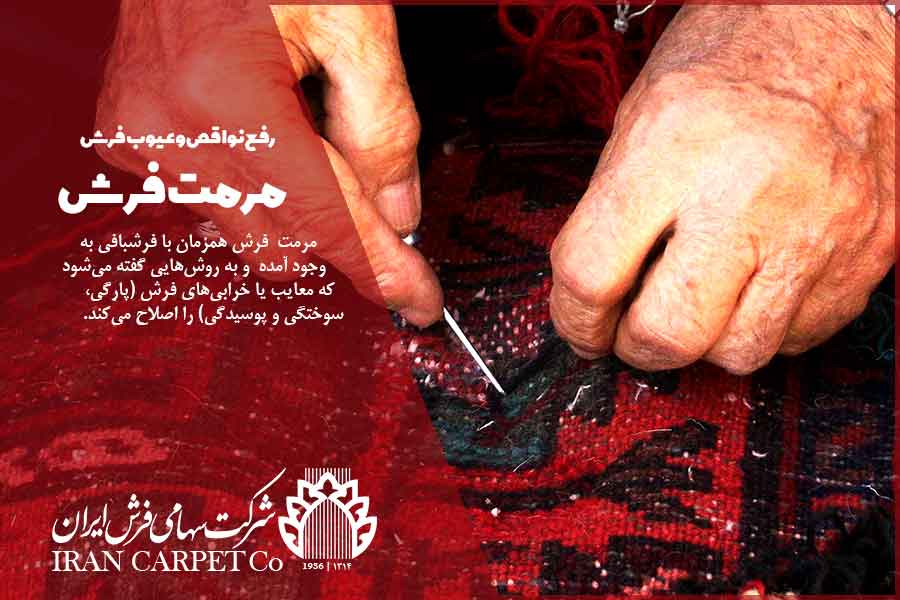
Carpet restoration refers to methods used to repair damage such as tears, burns, and decay. Carpets are functional objects, and the materials from which they are made—wool, cotton, and silk—are vulnerable to damage. As a result, very few carpets from the past have survived. Today, surviving examples adorn many of the world’s major museums, and their great value makes their restoration especially important. Restoration emerged alongside carpet weaving, making it possible to correct defects such as distortion and tears. Minor repairs—including overcasting the selvages, reweaving the fringes, and straightening the carpet’s edges—can be carried out at home. However, work such as darning and removing creases should be entrusted to specialist carpet restorers. The tools used for restoration and repair are much the same as those used in carpet weaving: a weaving knife, scissors, an iron comb, thread and needle, an awl, a thimble, a small wooden frame, wax, pliers, and skeins of wool, cotton, or silk, depending on the carpet’s material.
Related Reading
All Journal & Blog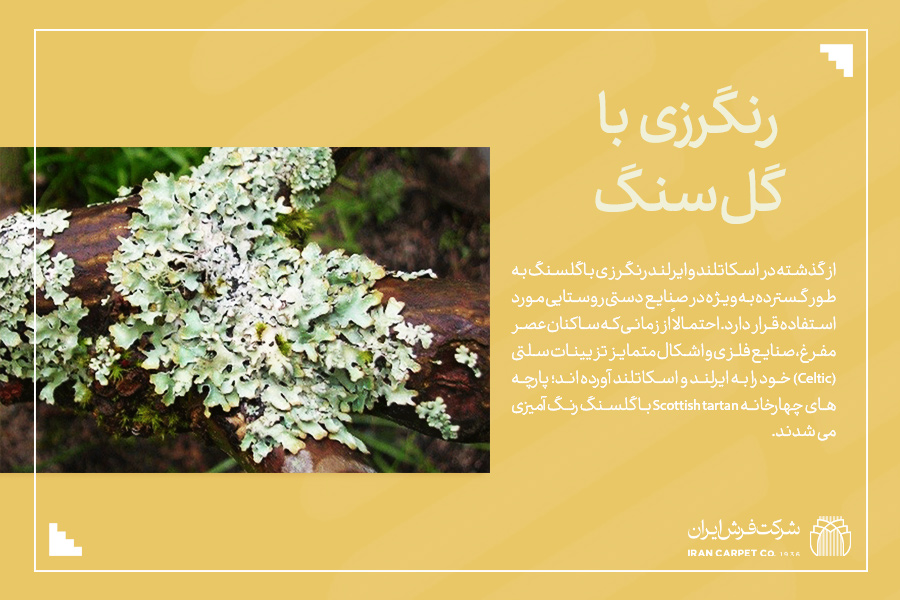 Weaving & Dyeing
Dyeing with Lichens
A lichen is a living partnership between two organisms—an alga and a fungus—sharing a single body. Lichens usually grow on rocks, walls, and tree trunks, forming patches of yellow, whitish gray, or greenish gray.