
Weaving & Dyeing
Coloring the Design of a Handwoven Carpet
Oct 24, 20191 min readIran Carpet Company
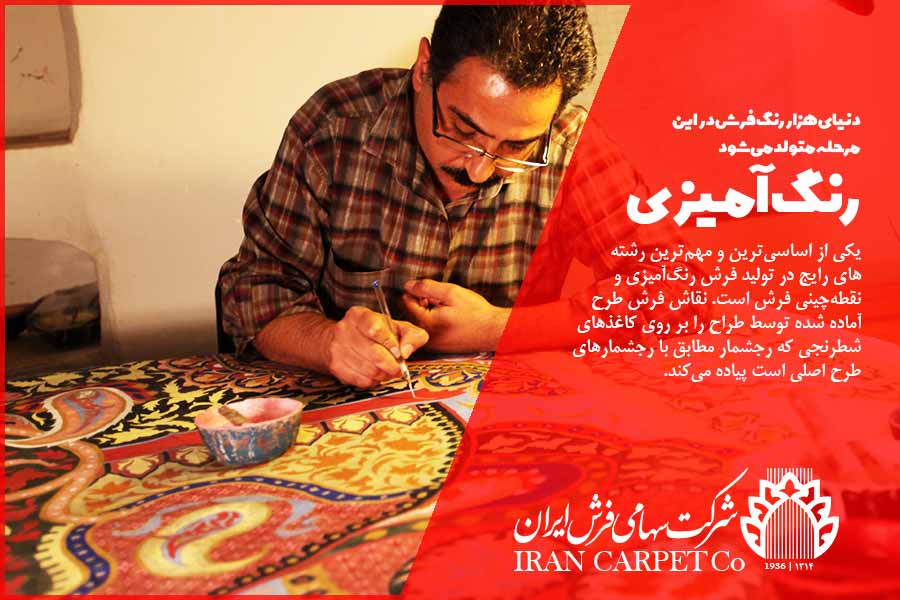
Coloring and plotting the design are among the most fundamental and important stages in carpet production. So much so that even flaws in the design may go unnoticed thanks to the colorist’s skill and artistry. The reverse is also true. The carpet colorist transfers the designer’s prepared design onto graph paper whose knot count matches that of the original design. Using specially prepared colors, along with experience, artistic sensibility, and skill, the colorist fills in the flowers and other motifs, then plots the individual knots. The design and its colors are among the first things that attract a customer to a carpet. In addition to high-quality weaving, a good carpet should have a beautiful, well-proportioned, and harmonious design. The next stage in designing and drawing a carpet is to mark, or plot, the design point by point. Each point within a square on the graph paper represents one knot for the weaver. This plotting stage is highly precise and important, and requires great care.
 Weaving & Dyeing
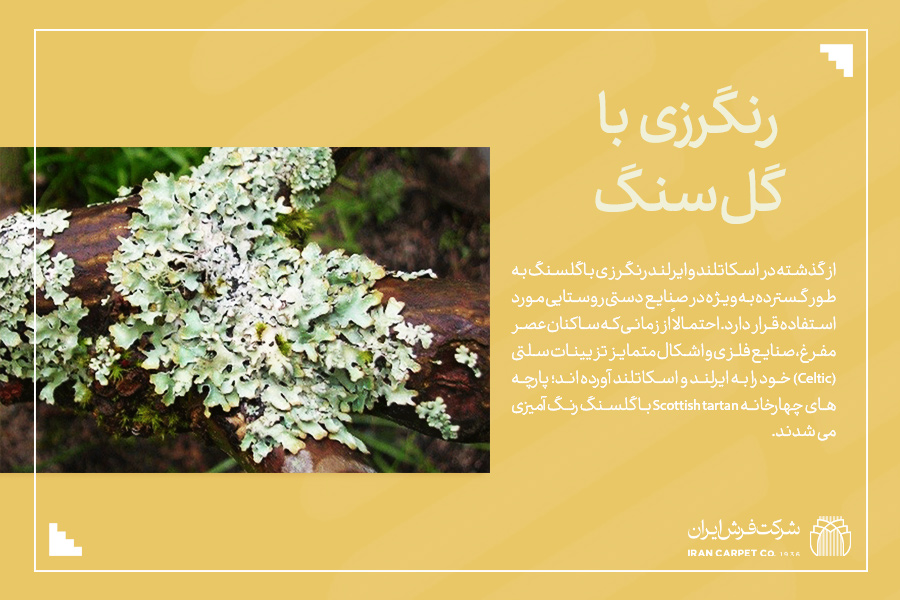
A lichen is a living partnership between two organisms—an alga and a fungus—sharing a single body. Lichens usually grow on rocks, walls, and tree trunks, forming patches of yellow, whitish gray, or greenish gray.
 Weaving & Dyeing
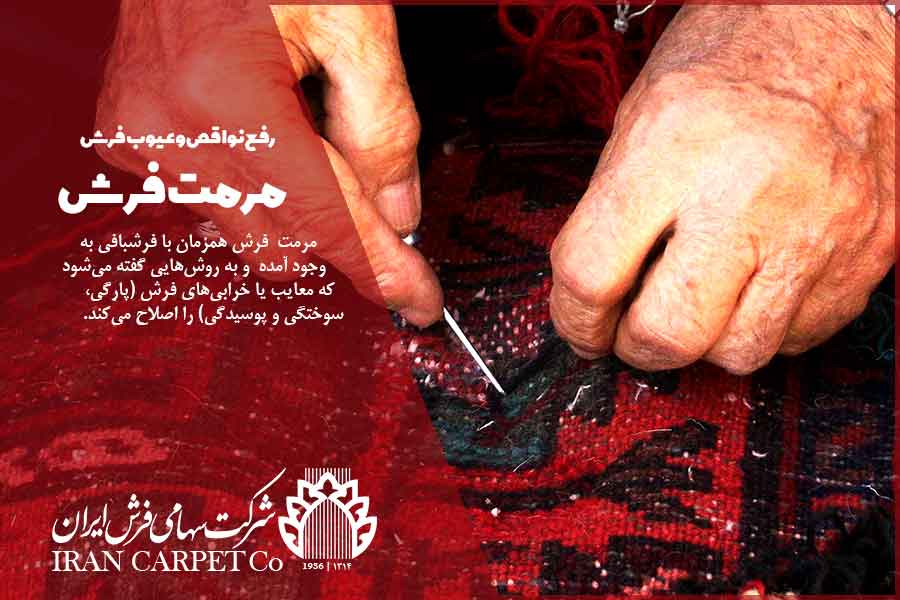
Carpet restoration emerged alongside carpet weaving. It refers to methods used to repair damage such as tears, burns, and decay.
 Weaving & Dyeing
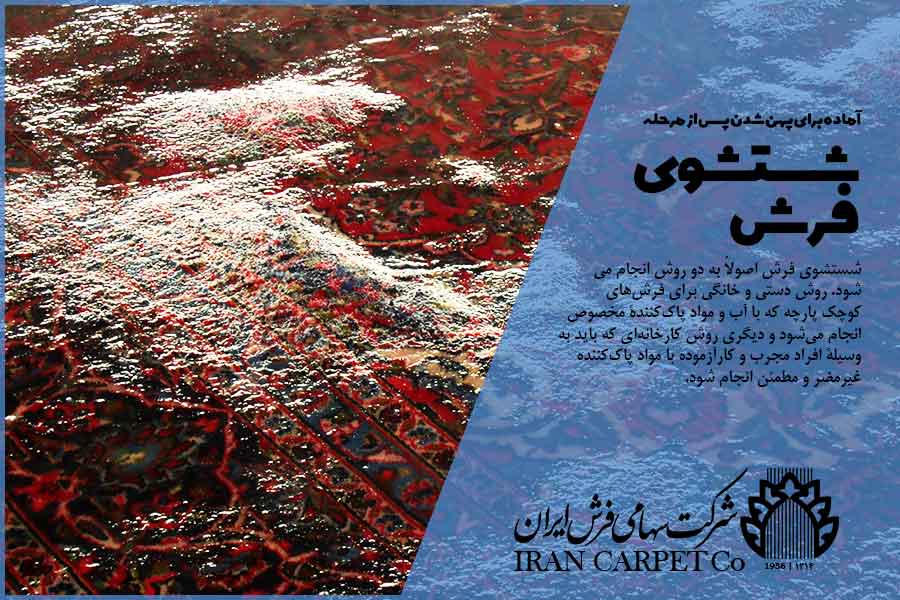
Carpets are generally washed in one of two ways: small rugs may be washed by hand at home using water and suitable cleaning agents, while factory washing should be carried out by experienced, skilled professionals using safe, non-harmful cleaning products.