Care & Maintenance
Care and Maintenance of Handwoven Carpets
Dec 11, 20194 min readIran Carpet Company

A handwoven carpet is a valuable possession and should be cared for according to a consistent, carefully planned routine to minimize damage. Experience shows that the most common types of damage to handwoven carpets, in order of frequency, are wear, rot, moth damage, and color bleeding. Following the recommendations in this guide will help minimize damage to your carpet, allowing you to enjoy your handwoven carpet for longer and achieve greater value if you decide to sell it. These measures also help preserve Iran’s national artistic heritage—the handwoven carpet—and ensure greater foreign-currency earnings for the country when old carpets are exported.
General Care
- Lay your handwoven carpet on an even surface such as stone, mosaic tile, ceramic tile, or parquet flooring. The surface should be flat, dry, and free of dust.
- Do not lay a handwoven carpet on plaster, soil, or lime. Because these materials are alkaline, they can break down wool and silk.
- Although a handwoven carpet is heavy enough to limit movement, it may gradually shift in one direction over time. To prevent this, place a carpet gripper—a piece of specially made rubber—under the carpet.
- Avoid placing heavy objects with narrow legs, such as furniture, on a handwoven carpet. This can compress the pile, and the indentation may become permanent over time. If this cannot be avoided, place wooden or plastic furniture cups under the legs to distribute the weight and reduce damage. Move the furniture legs at least once a month.
- Repeatedly walking over the same area of a carpet will cause wear there. To prevent this, turn the carpet around at least once every six months so the pile can return to its original position and retain its resilience.
- The carpet fringes may be damaged if they are frequently walked on. If this is the case, protect them by wrapping them in cotton fabric.
- Do not place flowerpots or small trees on the carpet or its fringes. Excess water from plant pots is a common cause of carpet rot.
- Do not use bleaching agents to wash the carpet or its fringes. They can cause the carpet to rot prematurely.
- Avoid placing a handwoven carpet in direct sunlight, for example beside a window. If necessary, use a protective carpet cover, and turn the carpet around every two or three months to prevent uneven fading.
Weekly Care
- Check the carpet for dust and debris. If needed, vacuum it with a standard vacuum cleaner without a brush attachment. Bear in mind that the less often a carpet is vacuumed, the longer it will last, so vacuum only when necessary.
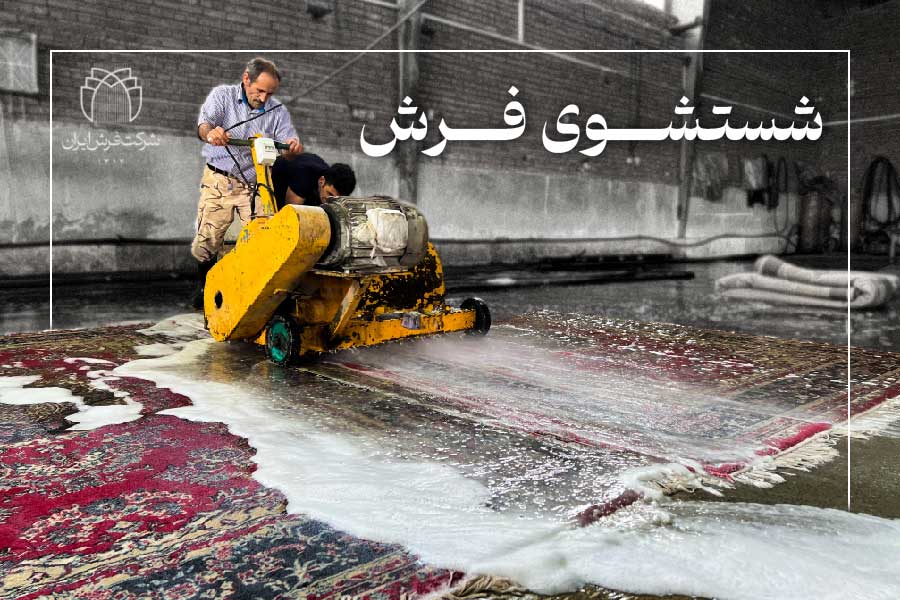
- If you notice a stain, follow the instructions in this guide. If professional cleaning is needed, contact a reputable carpet-cleaning service, such as the Iran Carpet Company carpet-cleaning service.
Monthly Care
- Lift the edges of the carpet without moving the furniture, then vacuum underneath and clean the floor with a damp cloth or mop.
- Shift heavy objects on the carpet, such as furniture and table legs, by a few centimeters to avoid putting pressure on the same spot.
Annual Care
- Vacuum the carpet with a vacuum cleaner fitted with a brush attachment, or use a hand broom. If using a brush attachment, do not use it on the fringes, as they may get caught in the brush and be damaged. Finish by vacuuming in the direction of the pile so it lies neatly and the pattern appears clear.