
Carpet Industry News
WikiRug Website Launched: A Specialized Encyclopedia of Carpets and Rugs
Jun 10, 20203 min readIran Carpet Company
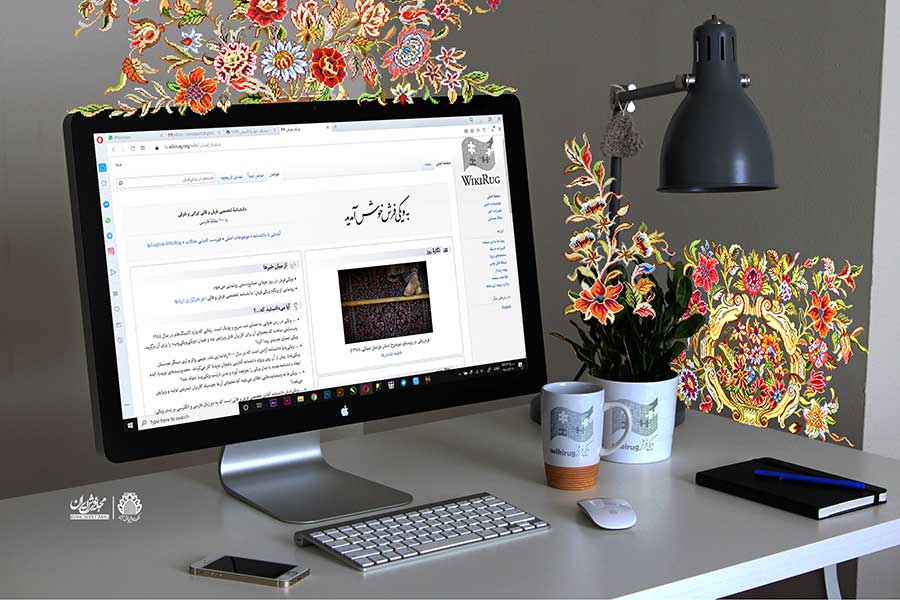
According to the Public Relations Office of Iran Carpet Company, this online encyclopedia is known in Persian as WikiRug, at fa.wikirug.org, and in English as WikiRug, at en.wikirug.org. It explores the history of the art and craft of carpets, from the distant past to the present, around the world, with particular attention to Iran, Anatolia (present-day Turkey), Afghanistan, India, Pakistan, the Caucasus, and Central Asia.
Announcing the launch, WikiRug’s executive editor said: “WikiRug is a non-governmental, non-political, non-profit research and arts institution that seeks to provide a platform for collaboration among Iranian and international researchers, scholars, students, and specialists in the field of carpets. The technical platform for this shared work was built using MediaWiki, and users can easily contribute to or edit articles in this open encyclopedia through their user accounts.”
Niloufar Alipour noted that more than 300 entries in Persian and 250 in English have been created on WikiRug to date. She said: “Some articles in the encyclopedia are signed by one or more authors, while others are the result of collaborative writing and are unsigned. One of WikiRug’s defining features is its systematic subject classification. Its articles cover a wide range of topics: from general terminology to weaving tools and techniques; from carpet history to the geography and regions of production; from raw materials to designs and motifs; and from the carpet industry, trade, research, and education to profiles of artists and influential advocates of this historic art (see the main subject categories of WikiRug here). Most articles include an infobox that succinctly summarizes key facts about the subject. The WikiRug homepage is updated with a variety of features, including Image of the Day, Article of the Week, Book of the Week, and carpet news.”
Speaking on behalf of WikiRug’s editorial council, the executive editor invited all carpet experts and enthusiasts to contribute.
Alipour added: “WikiRug’s development depends on broad participation, mostly voluntary, by its users. The WikiRug editorial council oversees the consistency, reliability, and accuracy of the encyclopedia’s information. At the outset, WikiRug received financial and moral support from people interested in carpet art, particularly from Rugman, the world’s first online carpet sales site, established in 1998. It hopes to continue introducing this art and industry with the support of culturally minded individuals and organizations outside government.”
It is worth noting that an online encyclopedia of Iranian handwoven carpets titled “Wiki Carpet” had previously been launched by the National Carpet Center of Iran in 2015–16 (1394 SH). After its initial information was uploaded, however, it did not develop the interactive features needed for audiences and users to continually add to and update its information and data.See the WikiRug page about Iran Carpet Company here
 Carpet Industry News10
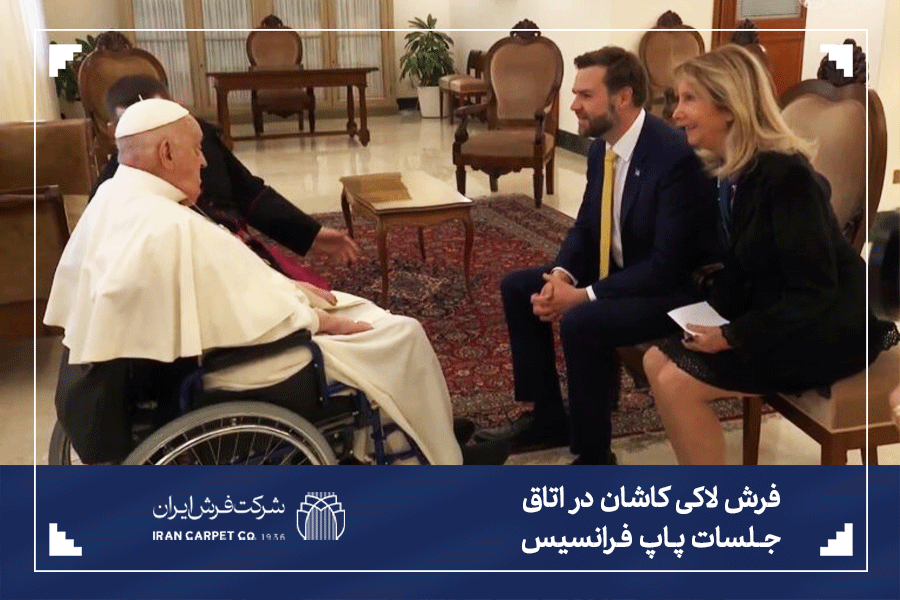
At the Vatican, a longstanding tradition calls for fine Persian carpets to be used at important official ceremonies. Among the most notable examples is their use at formal meetings and even at papal funerals.
 Carpet Industry News9
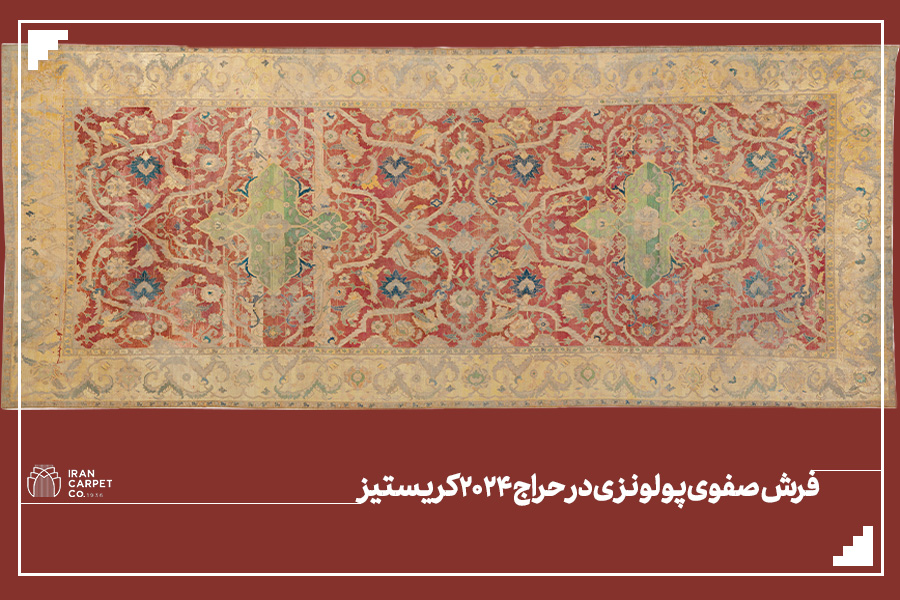
A large-format silk Polonaise carpet dating to the 17th century is to be offered at Christie’s October 2024 auction. Woven during the reign of the Safavid Shah Abbas the Great, it remained in a private Japanese collection until recently.
 Carpet Industry News
Pictorial weaving has a long history in Iranian handwoven textiles, including carpets. The art of pictorial carpet weaving in Iran reached its height in the 13th and 14th centuries AH, during the Qajar dynasty.