
Carpet Industry News
The World’s Largest Pictorial Carpet Arrives in China
Oct 5, 20192 min readIran Carpet Company
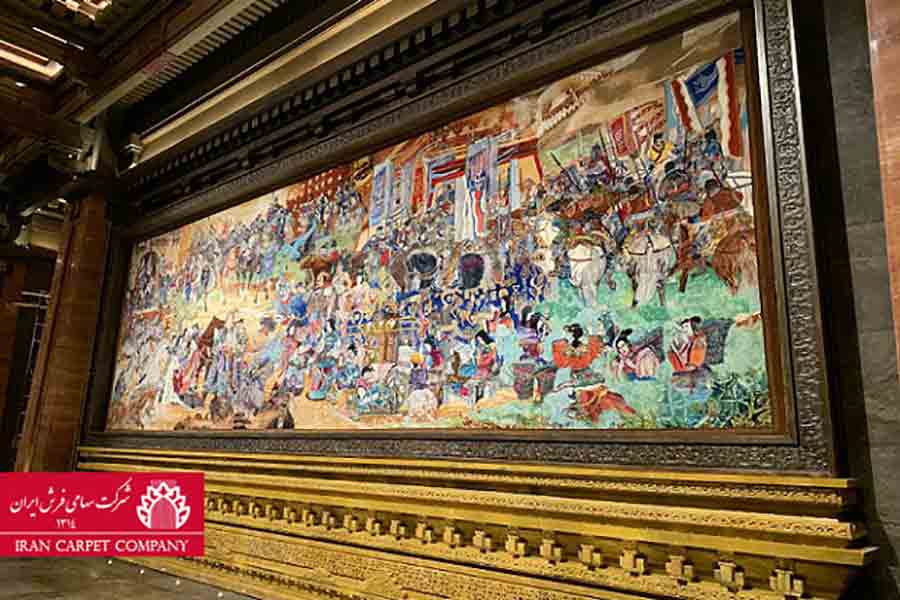
The world’s largest pictorial carpet was woven in Iran on commission from the Chinese government and is now on display at the Silk Road Museum.
According to the public relations office of Iran Carpet Company, the pictorial carpet measures 3.70 by 12 metres and was woven over a period of nine months in Isfahan under the direction of the renowned Safdarzadeh Haghighi family. It is now on display at the Hanzhong Grand Silk Road Museum. According to the report, the carpet was woven from a painting by a senior Chinese artist. It features 160 distinct colours and 600 blended colours, and approximately 23 million knots were tied in its making. The painting evokes lands and peoples—including Iran—that engaged in trade and cultural exchange with China along the Silk Road. Around 55 women carpet weavers from Isfahan and a large team of carpet-industry professionals contributed to its production under the direction and supervision of Mohammad Safdarzadeh Haghighi. Given the Chinese government’s particular emphasis on reviving the Silk Road and its adoption of the “One Belt, One Road” slogan, cooperation between China and Iran in commissioning and installing this silk pictorial carpet could mark a significant step in cultural and artistic diplomacy and in renewing the commercial exchanges of past centuries.
 Carpet Industry News10
At the Vatican, a longstanding tradition calls for fine Persian carpets to be used at important official ceremonies. Among the most notable examples is their use at formal meetings and even at papal funerals.
 Carpet Industry News9
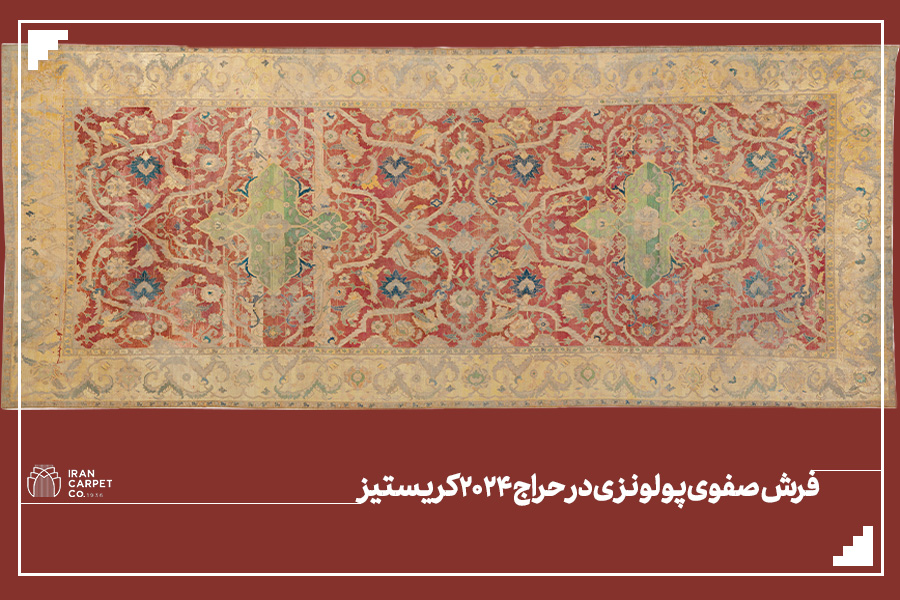
A large-format silk Polonaise carpet dating to the 17th century is to be offered at Christie’s October 2024 auction. Woven during the reign of the Safavid Shah Abbas the Great, it remained in a private Japanese collection until recently.
 Carpet Industry News
Pictorial weaving has a long history in Iranian handwoven textiles, including carpets. The art of pictorial carpet weaving in Iran reached its height in the 13th and 14th centuries AH, during the Qajar dynasty.