The Rise of a Company
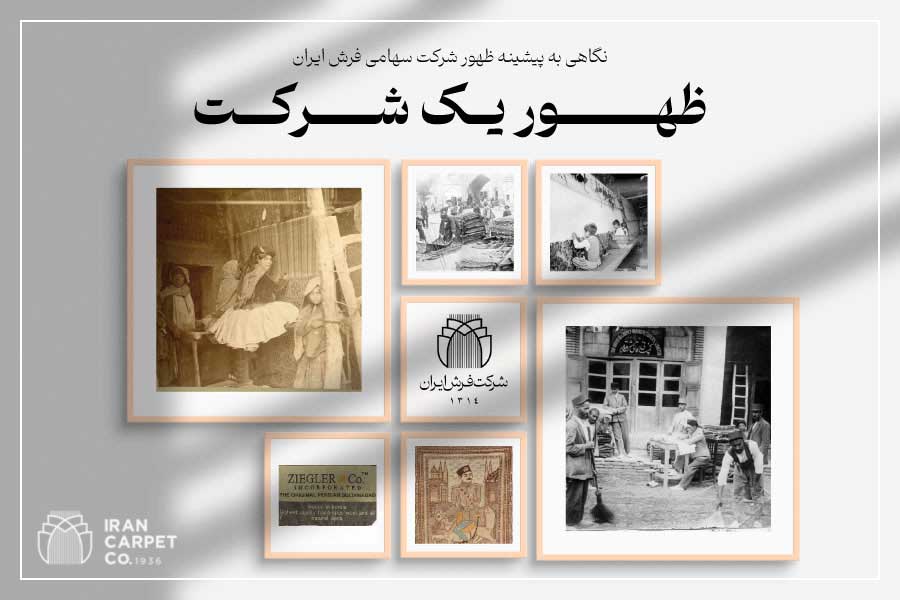
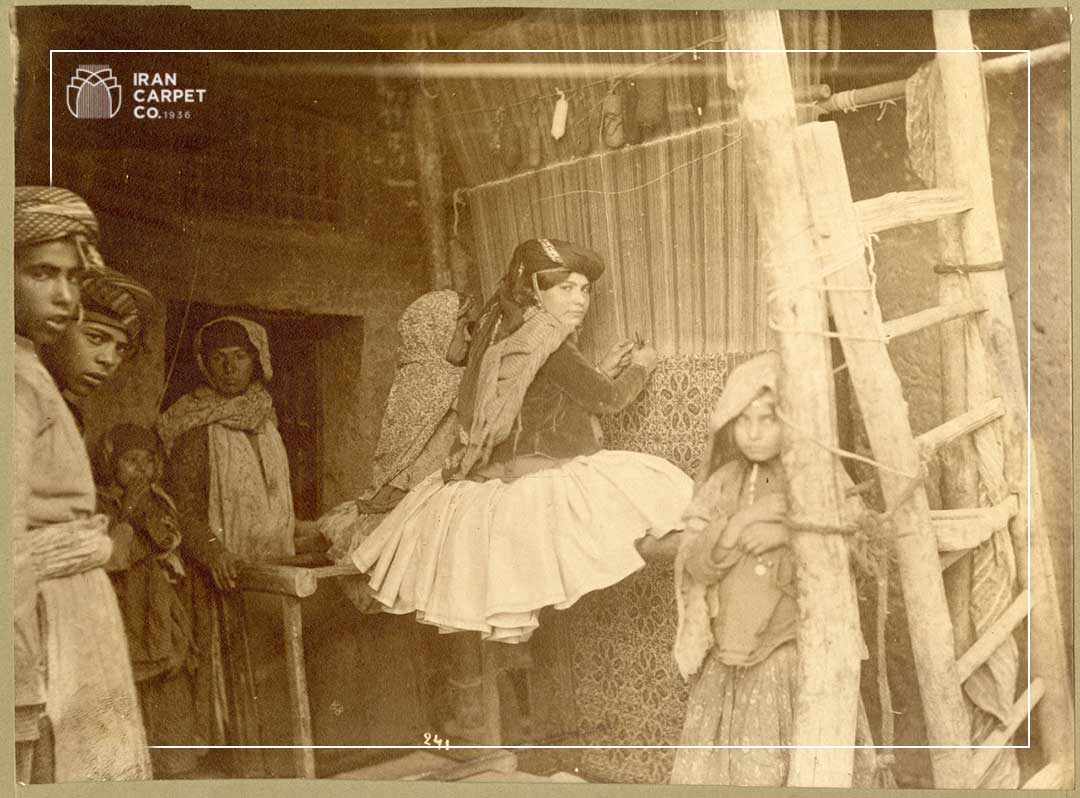
During the Qajar period, demand for Oriental carpets grew in Europe and in the emerging American market. Iran’s small-scale producers, whose work was decentralized and carried out in homes, could not meet demand from global markets. Photograph: Antoin Sevruguin
Gradually, several multinational companies entered Iran and invested in the carpet industry. Beyond financing production, they also took control of the management and trade of Iranian carpets. Photograph: Ziegler carpet manufactory emblem
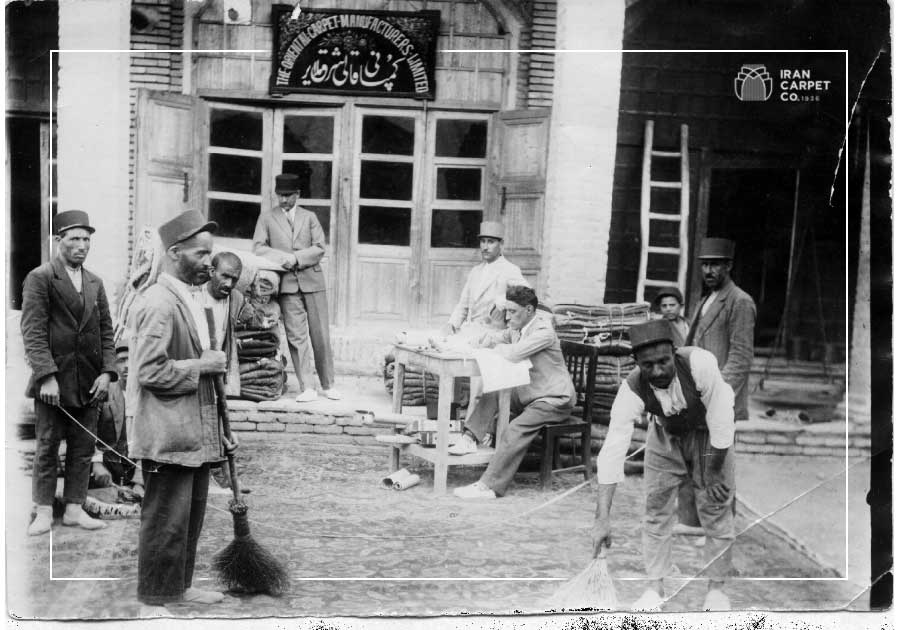
Domestic producers and merchants, who had once held considerable sway, were naturally unable to compete with the monopoly, capital, and production capacity of multinational companies. As a result, they either went bankrupt, left the carpet trade, or were compelled to work for one of these companies as salaried employees. Photograph: Oriental Carpet Manufacturers (OCM), Sultanabad branch, Arak, Qajar period
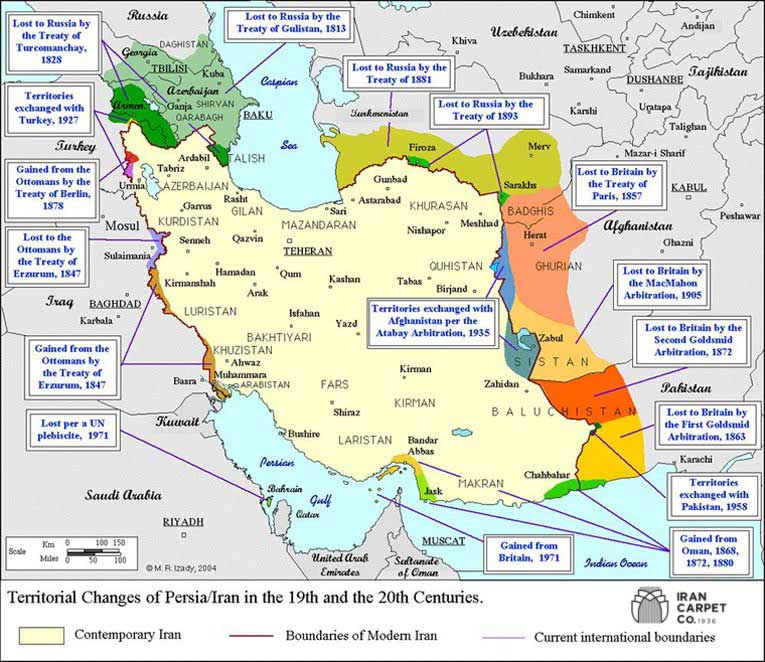
The Qajar government, which had ceded seventeen jewels of its crown—including the Caucasus and Herat—to foreign powers, lacked the economic and political strength to wrest control of carpet production and trade from foreign hands, and had no will to do so. Iranian producers, merchants, dyers, weavers, spinners, warp-setters, repairers, and others were consequently brought low.
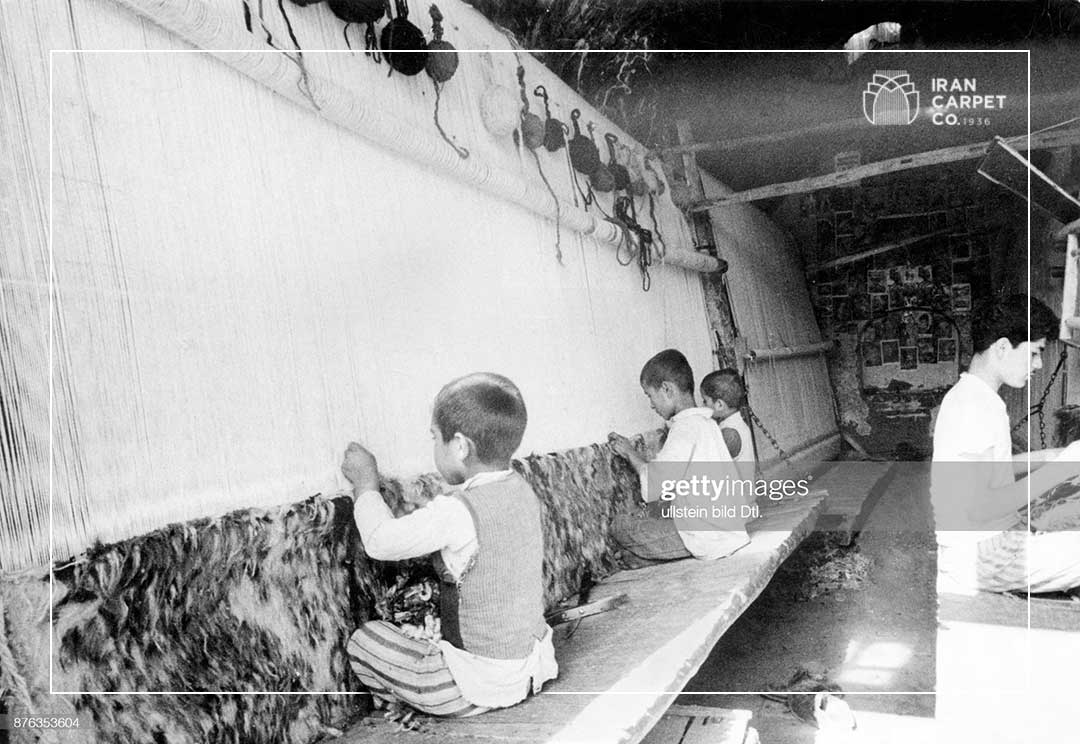
In his book The Economic History of Iran, Charles Issawi writes that during the Qajar period a child carpet weaver in Tabriz earned twelve qrans a month, while twelve qrans were deducted for the cost of lunch. In other words, the weaver’s entire wage was equivalent to the cost of that meal.
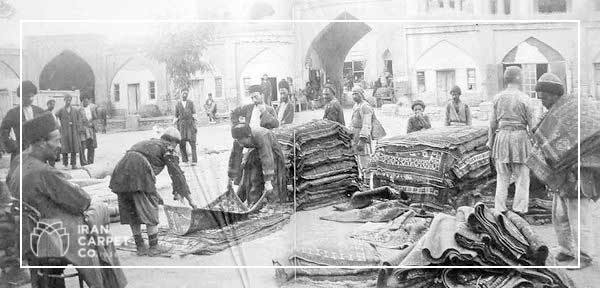
At times, collusion, incompetence, and unwritten agreements between the government and foreign interests leave domestic entrepreneurs and workers dependent on a handout they must seek from outsiders.
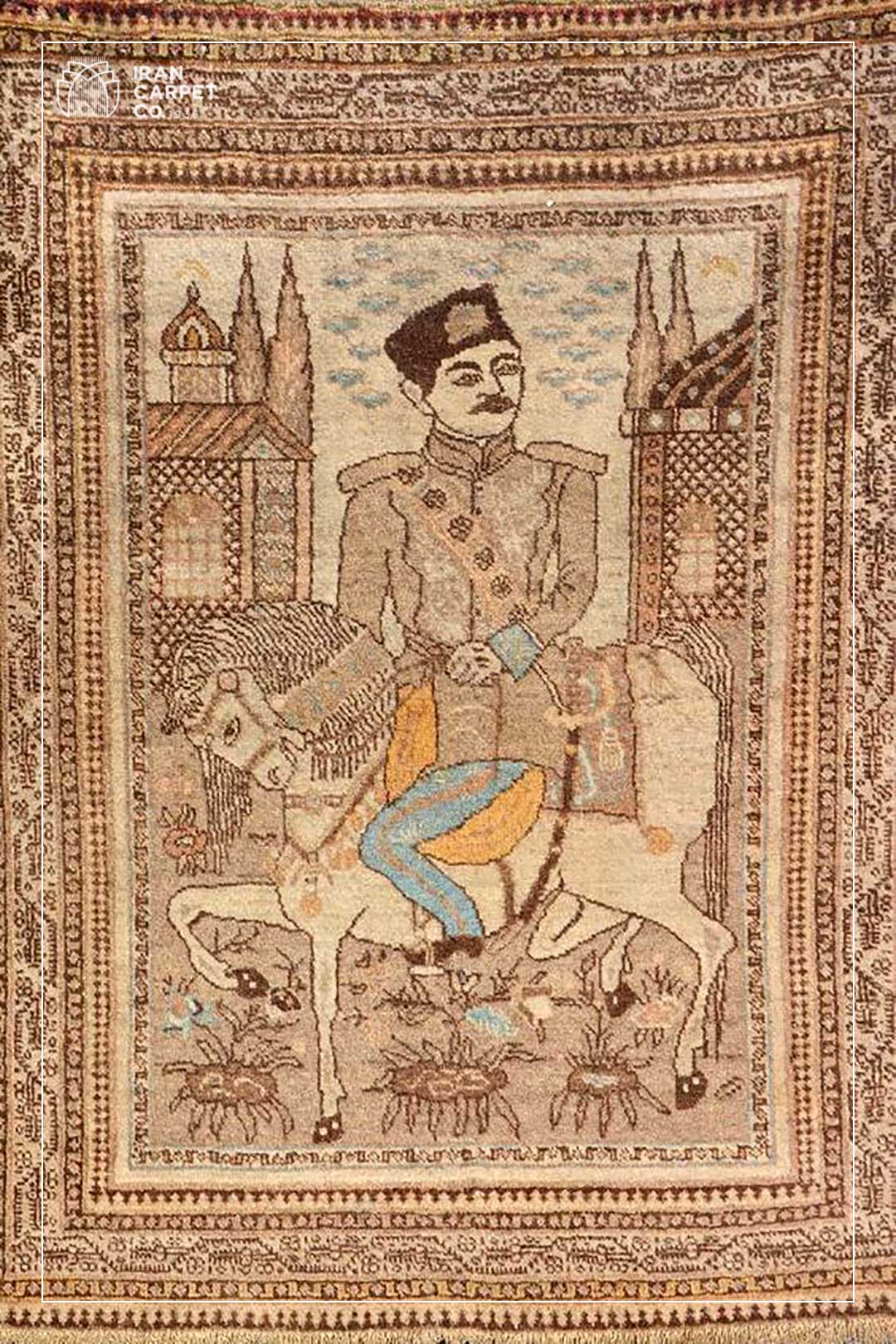
In his entry on carpets of the Pahlavi era in the Encyclopaedia Iranica, Willem M. Floor writes that, as a result of Reza Shah’s policy of Iranianizing Western enterprises, multinational carpet companies that had entered Iran during the Qajar period were compelled to transfer their assets to Iran Carpet Company.

Iran Carpet Company was founded in 1935 (1314 SH) to produce high-quality carpets. Many Western companies that had left Iran after the American stock-market crash of 1929 (1308 SH) later sought to return. But with Iran Carpet Company established, they could re-enter Iran only as carpet buyers, not as contractors or policymakers. This, together with Reza Shah’s removal of foreign interests from the industry, ultimately enabled Iranians to export carpets exclusively on their own behalf.
Dr. Daoud Shadloo Faculty member, Department of Carpet, Shiraz University of Art