
Books & Criticism
Let Us Not Question the Authenticity of Art in the Name of Creativity
Nov 13, 20193 min readIran Carpet Company
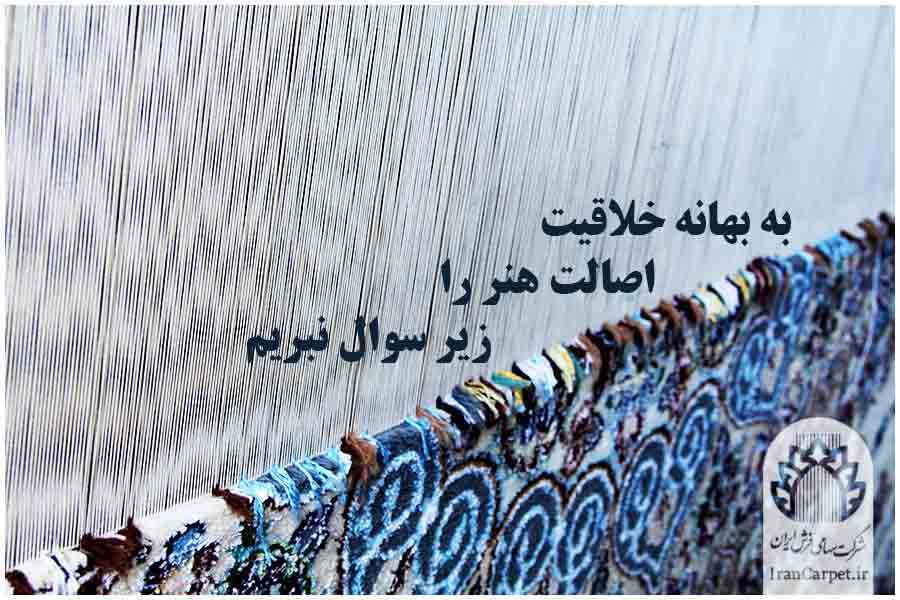
According to the public relations office of Iran Carpet Company, Isfahan carpet designer Karim Seyrafian-Pour told an Imna reporter that creativity is important in every field: it drives progress and development, and carpet design is no exception. He added that carpet designs need to become more expressive and engaging, so audiences can feel that this art is flourishing, evolving, and has something new to say. The designer continued: “There should always be something new to say. But some people misunderstand this and end up questioning the authenticity and roots of an art, breaking apart the principles that govern it.” Referring to the care required when discussing creativity in carpet design, Seyrafian-Pour said: “An innovative artist must take care not to sever the roots of the art. Think of a tree we want to bear fruit: we prune it so new branches can grow and produce fruit. If, instead of pruning excess branches, we cut its roots, we have made a mistake, because the tree will be destroyed.” The designer continued: “Art is the same. If we feel there has been no progress in carpet design, breathing new life into it is certainly a good thing. But creativity in this art must not conflict with its traditional and established principles.” Seyrafian-Pour emphasized that we must first understand the characteristics, roots, and schools of traditional Iranian art. A person should first receive training and gain the necessary mastery of the art before attempting innovation. Noting that masters in every art form are usually creative in their work, he continued: “Even among masters who work in the same style, there are differences. Consider several calligraphers writing in the same script: the subtleties of their lines are what distinguish them from one another.” The designer added: “There is nothing wrong with having differences, but the overall form should not change. For example, someone might say, ‘My innovation is to write Persian from left to right.’ That would overturn everything.” Seyrafian-Pour continued: “Today, some people in the carpet field make similar claims and want to overturn every principle. In that case, their work cannot be considered a continuation of earlier styles; it would be a new style in its own right. In my view, such designs should not be imposed on traditional designs.” Speaking about modernist treatments of carpet designs, he said: “In my view, modern designs may be better suited to machine-made carpets than to handwoven ones. The beauty and refinement of handwoven carpets should not be questioned in the name of innovation.” The designer continued: “I have always said that authentic Iranian designs should not be reproduced on machine-made carpets. In my view, the two fields should be kept distinct: handwoven carpets should retain their authentic designs, while modernist innovations can be applied to machine-made carpets.” Seyrafian-Pour noted that details drawn from carpet designs are now being used in jewelry, adding: “We can also use the artistic motifs we have in other fields, so that these art forms can be seen and recognized.” He continued: “In my view, using our traditional designs on jewelry, clothing, and shoes instead of Western designs would enrich the culture of the people.”
 Books & Criticism
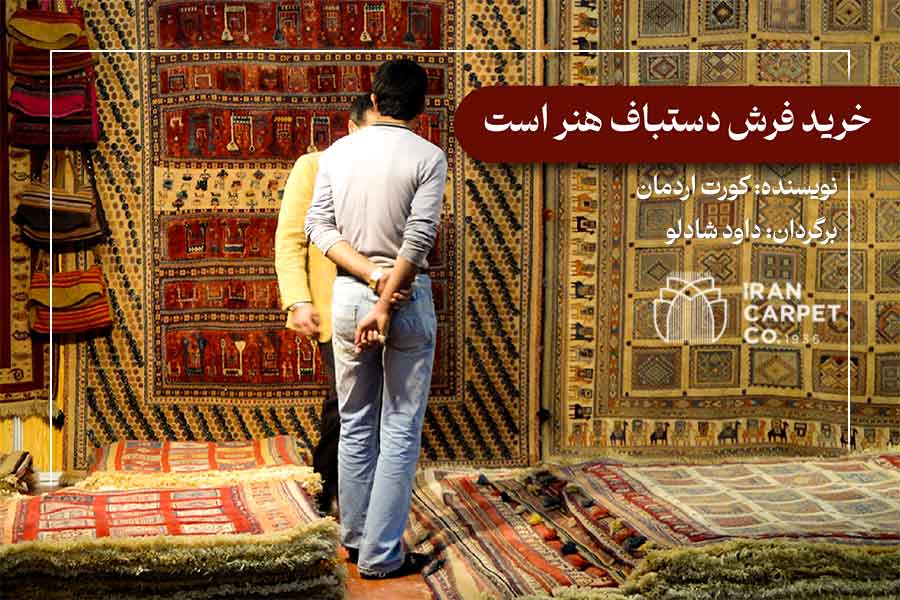
When the editors of the journal asked me to write this article, this was not what they had in mind. What they wanted was a short, illustrated guide to buying a carpet; but this article is nothing of the sort.
 Books & Criticism2
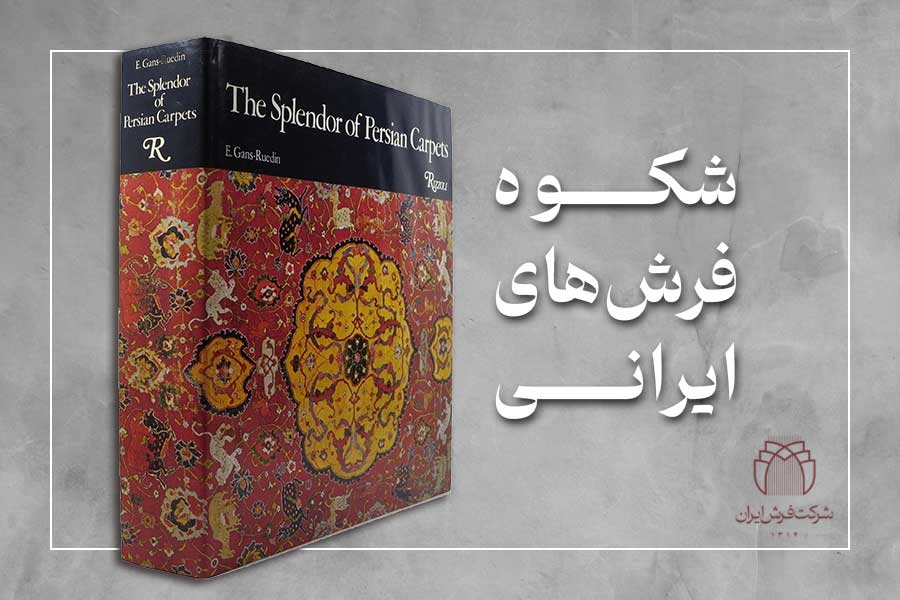
In 1978, Erwin Gans-Ruedin wrote The Splendour of Persian Carpets, a 566-page book commissioned by the Iranian court for promotional purposes on the eve of the opening of the Iran Carpet Museum (11 February 1978 / 22 Bahman 1356).
 Books & Criticism
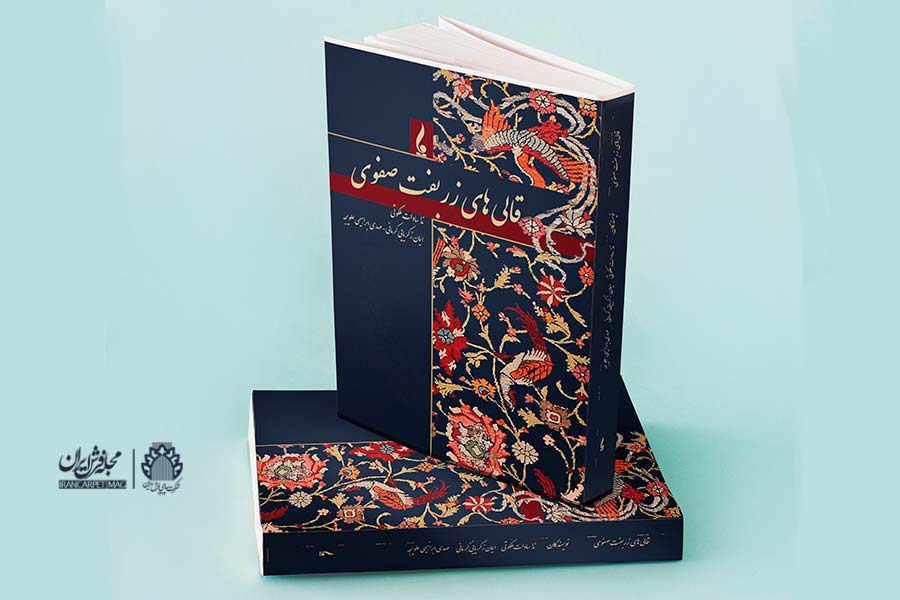
Safavid Gold-Woven Carpets, written by Neda Sadat Malakouti, Iman Zakariaei Kermani and Mehdi Ebrahimi Alavijeh—graduates and faculty members in the field of carpet studies—examines and analyses gold-woven carpets of the Safavid period. The book was published by Jamal Honar Publications in a print run of 200 copies.