Buying a Handwoven Carpet Is an Art
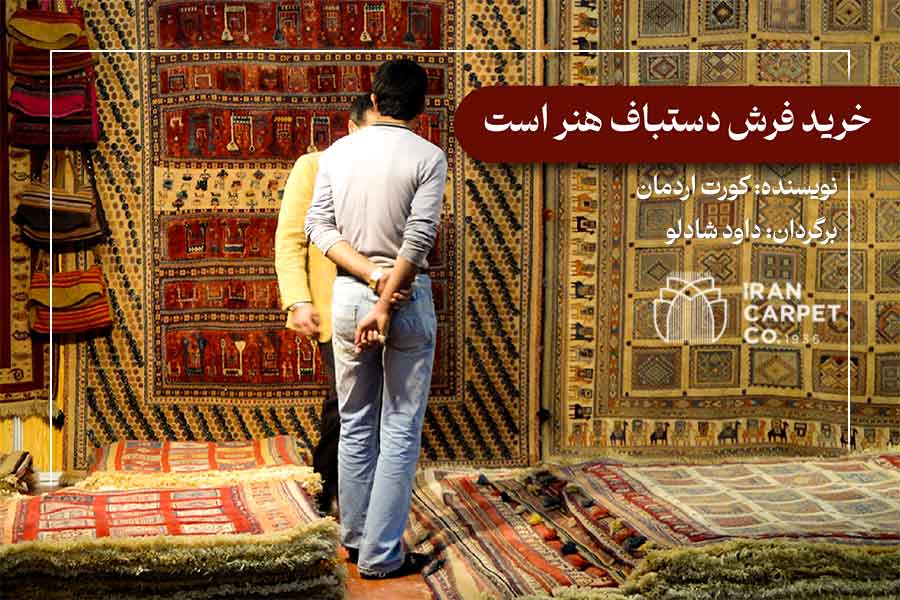
Author: Kurt Erdmann Translation: Davoud Shadlou
Many people may be a little surprised if I say that foreign tourists can be a nuisance to carpet dealers in the East. I know very well that, to those who have travelled in the Middle East, this sounds much like saying that swimmers are a nuisance to sharks. Most people who have enjoyed a holiday in a Middle Eastern city will surely have vivid memories of its bazaars: persistent salesmen, commonplace goods that do not interest you, and absurdly high prices. To a tourist, the idea that his presence in the bazaar might bother carpet dealers seems either ridiculous or laughable.
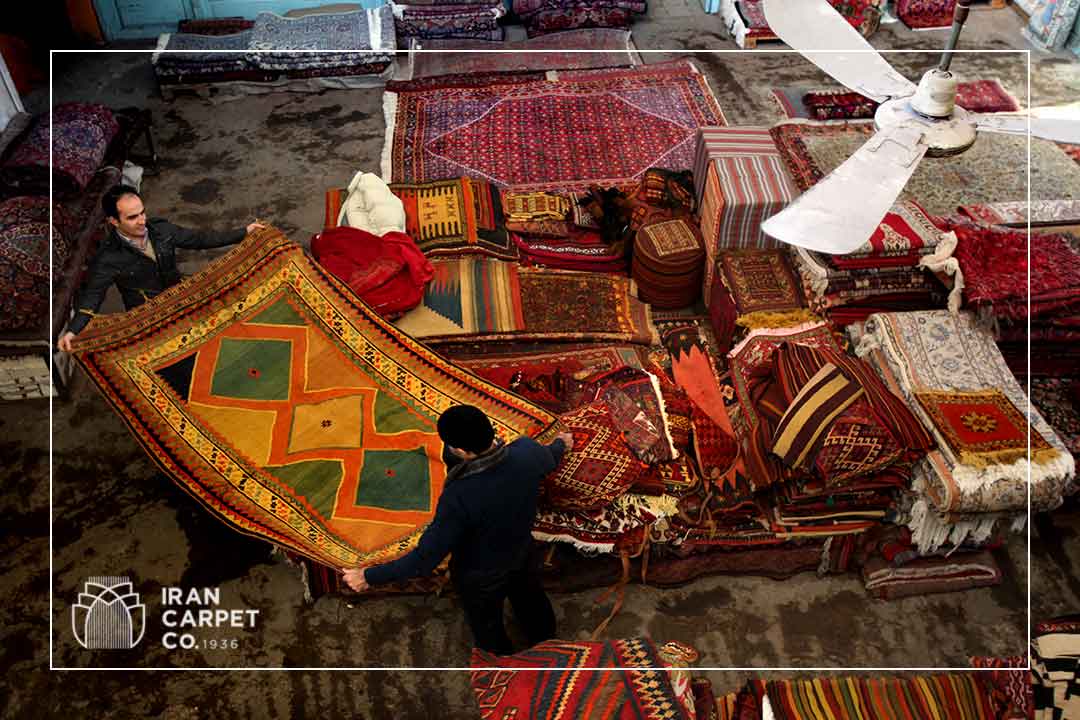
I should perhaps point out that when the editors of the journal asked me to write this article, this was not what they had in mind. What they wanted was a short, illustrated guide to buying a carpet; but this article is nothing of the sort. I decided to share my entirely personal observations with you, and I think this is truly more worthwhile than introducing carpet designs and knots that readers would probably forget long before reaching the Middle East. Such advice is useless: a buyer casts it aside as soon as he encounters his first Eastern handwoven carpet.
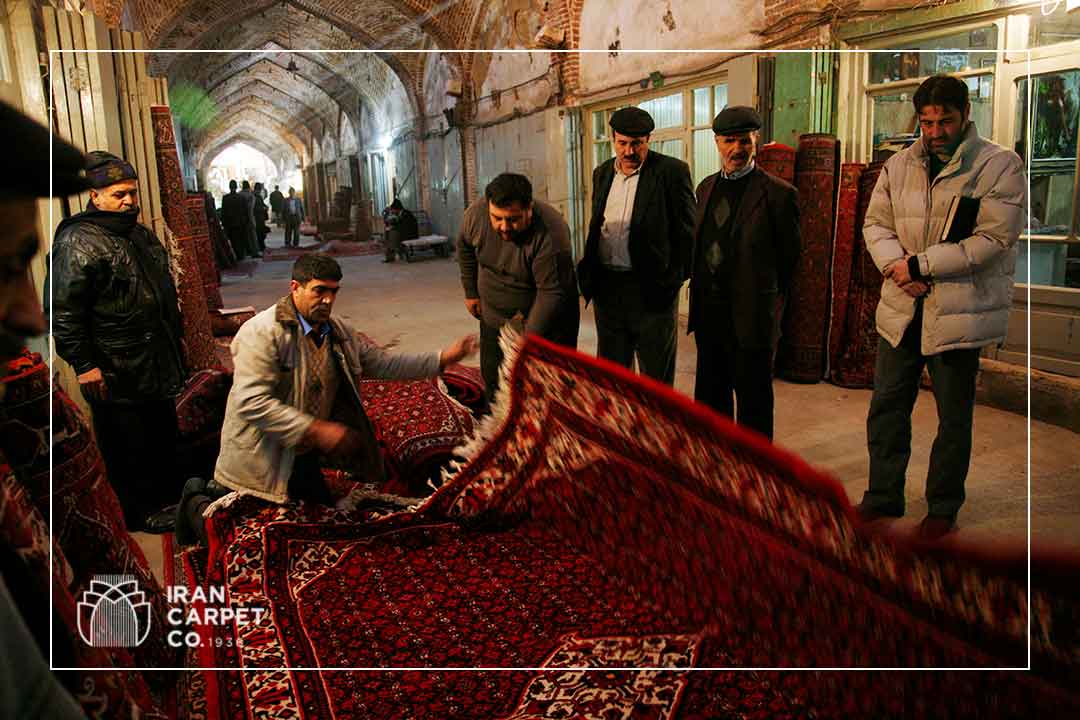
Let me begin by saying that buying a carpet, like selling one, is an art. The instincts of a pirate are just as important as those of a poet; but buying carpets is an elusive art, not easily mastered. To do it well, especially at first, requires a great deal of patience. A skilled buyer begins with an ordinary stroll through the bazaar—a very ordinary stroll. He wanders without aim, carefree. Along the way, he exchanges greetings with one or two people—or with everyone—stops a few times, then resumes his aimless wandering. Suddenly, to his surprise, he finds himself at the shop of Ahmed the carpet dealer. Ahmed greets him warmly, pours him tea or coffee, and begins a long, perhaps pointless conversation about everything except carpets. Yet, in the course of their talk, the buyer suddenly asks, in a way that seems quite casual and without appearing eager: “Have you had any new carpets come in lately that might be worth a look and a brief appraisal?” A more accomplished buyer may even wait until Ahmed himself, quite casually and as an aside, mentions that he has recently acquired a valuable, almost precious carpet. This is a deft and subtle exchange, and also the beginning of an ancient ritual, with unwritten but clear rules that both parties know well. It is like courtship: both parties want something, but begin by acting indifferent and aloof—pushing away with one hand while drawing closer with the other.
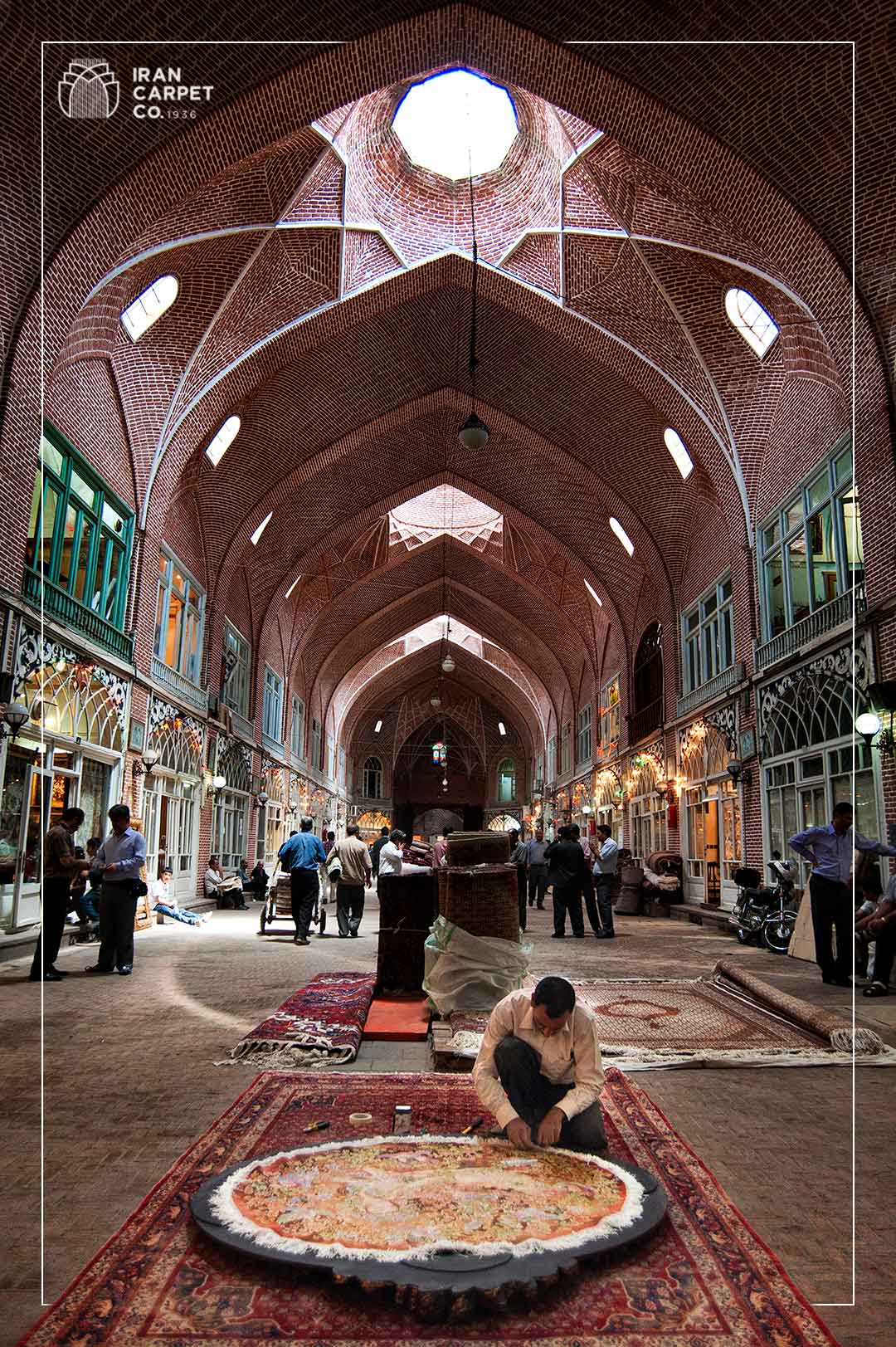
Once it is clear that there really is a valuable carpet in the shop, and that the seller is interested in selling it, discussion begins about its merits. This is a lengthy conversation, naturally examining the carpet’s beauty and provenance, as well as such matters as the complexity and regularity of its designs, pile height, knot count, and so on. Eventually, the question of price comes up.
Price, of course, is the main point of the game, and this stage of the negotiation must be handled with great skill, because once an offer is made and accepted, the deal is final and binding. A handshake is not even necessary; at this point, the game is over. It is therefore vital that the cycle of offers and refusals, counteroffers and refusals, be timed precisely, and that the offers be neither too low nor too high, but just right—so that buyer and seller instinctively understand that there is no room for further bargaining and the game must end. The work is done, and the moment to close the deal is near.
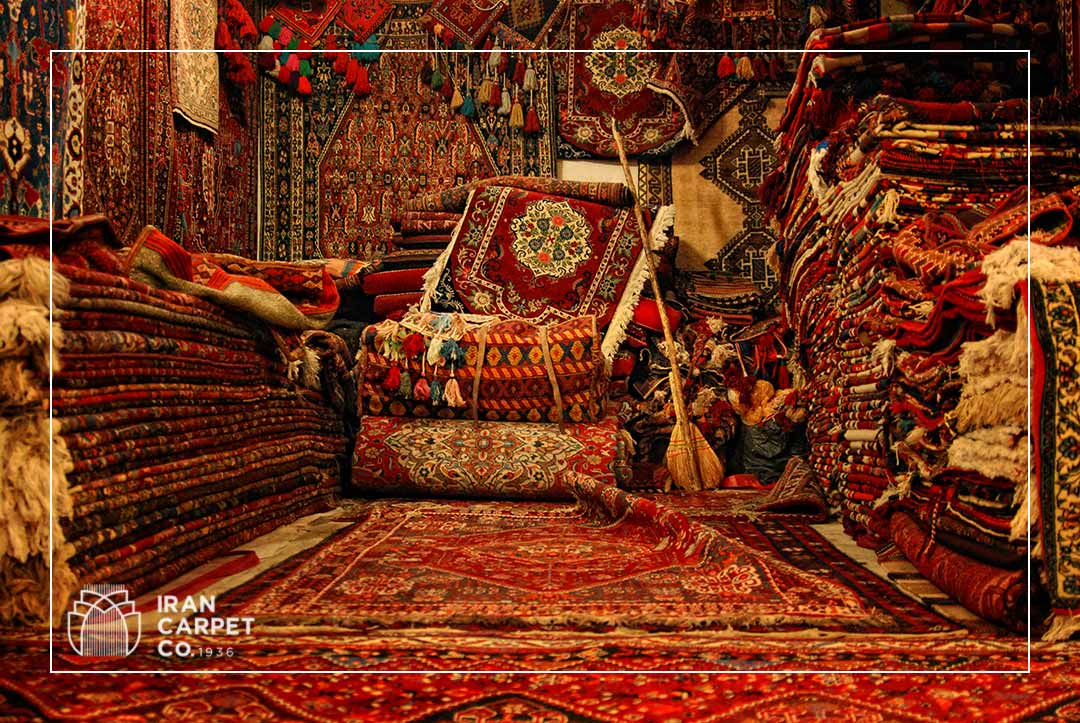
This is how a skilled person buys a carpet: a ritual begun long ago and refined by years, perhaps centuries, of practice. For a seller who has probably devoted most of his life to perfecting this skill, the ceremony is as important as the profit. Whether he is Arab, Turkish, or Iranian, I am certain he would rather sacrifice the profit than change the ritual.
So it is not really surprising to say that tourists who crowd the bazaar and hurry from shop to shop to look and buy are a nuisance to carpet sellers. Consider a scene I have witnessed many times in Istanbul. I am sitting in a shop with merchant friends, drinking coffee and, perhaps for the tenth time, discussing the merits and faults of a rug. It always begins with the sound of a steamship’s whistle and the announcement that a tourist ship has arrived. Almost at once, the carpet sellers abruptly break off their conversation and nervously begin inspecting their carpets, or pace irritably in front of their shops. A little later, the tourists appear: men in brightly coloured shirts, women in short skirts (a breach of social convention in most Eastern circles), or, at best, tight skirts and sleeveless blouses—and always sunglasses. They come from Birmingham, Düsseldorf, Milwaukee, and elsewhere. Though they have nothing in common, they behave in precisely the same way: naively and without discernment.
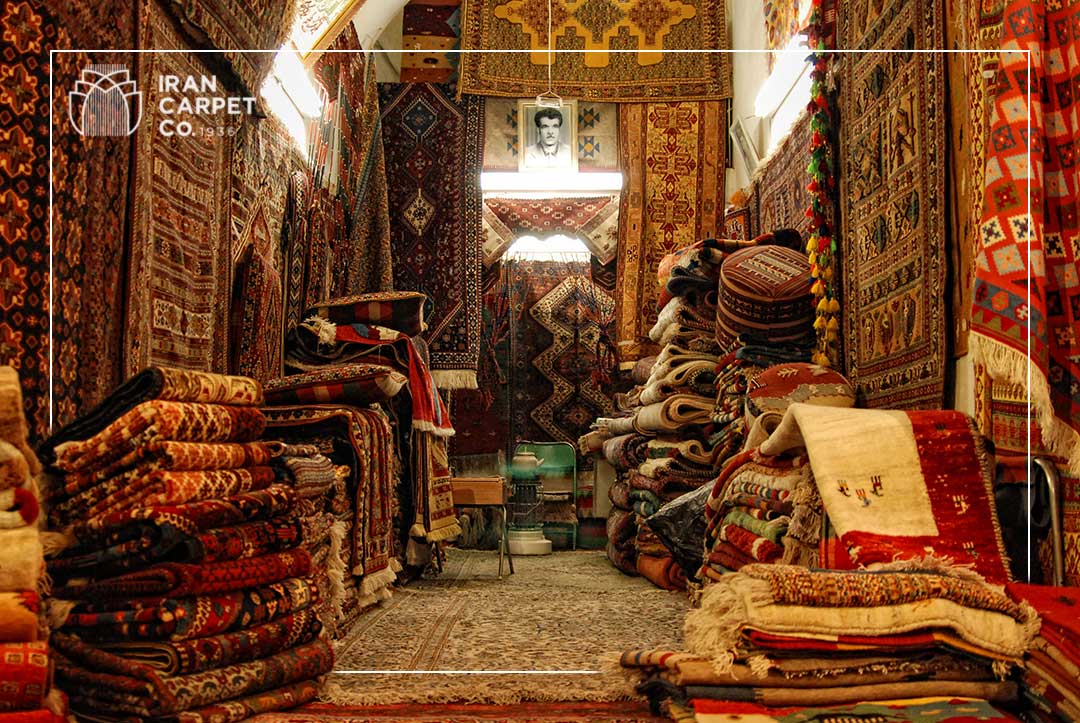
My dealer friend gets ready to sell. He leaps about, pulling carpets down from the shelves and piling them on the floor, while rattling off a stream of words in the few languages he knows imperfectly. The story is always the same: “Monsieur, mister, or mademoiselle! This carpet, for the quality it offers—usually none at all—is a real bargain. It is fit for a Sultan’s palace; perhaps it was even laid there once. And yet, just look how fresh its colours remain, as though it had been woven only last month.” And so it goes on until, more often than not, the tourist gives in and takes out his wallet.
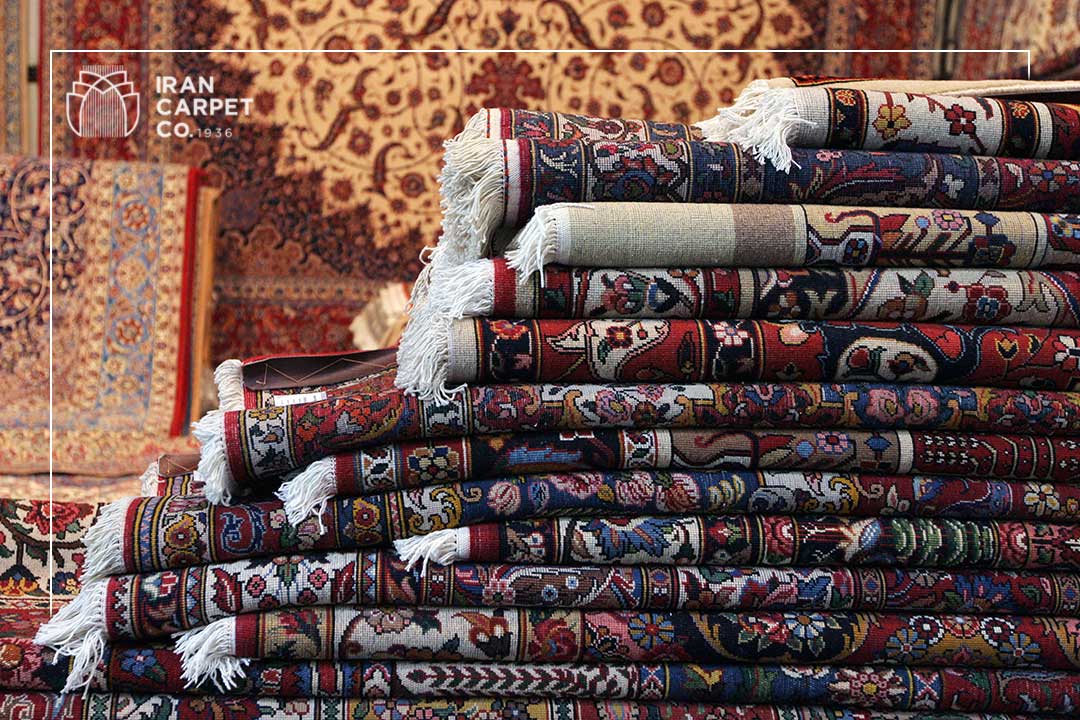
Scenes like these made me wonder how a man from Birmingham, Düsseldorf, or Milwaukee could behave so carelessly. Why does a man who is a cautious and tough-minded shopper at home become prey to traders in the Middle East? At home, he would not go into a department store to buy something of comparable value without first dressing appropriately and making sure his wife had done the same. He would never expect to spend hundreds of pounds, marks, or dollars without comparing prices or seeking advice. He would take the time to visit several shops and compare their prices. Whether he would ultimately make a good purchase after all these precautions is open to question; but at least he would have tried. In the carpet bazaar, he has none of this, yet he behaves just as unwisely. Why?
In some cases, it is because he wants to furnish his home with something recognised throughout the world as beautiful. But I think the strongest motive is his belief that, in the country where carpets are made, he has a better chance of buying an authentic handwoven carpet at a lower price.
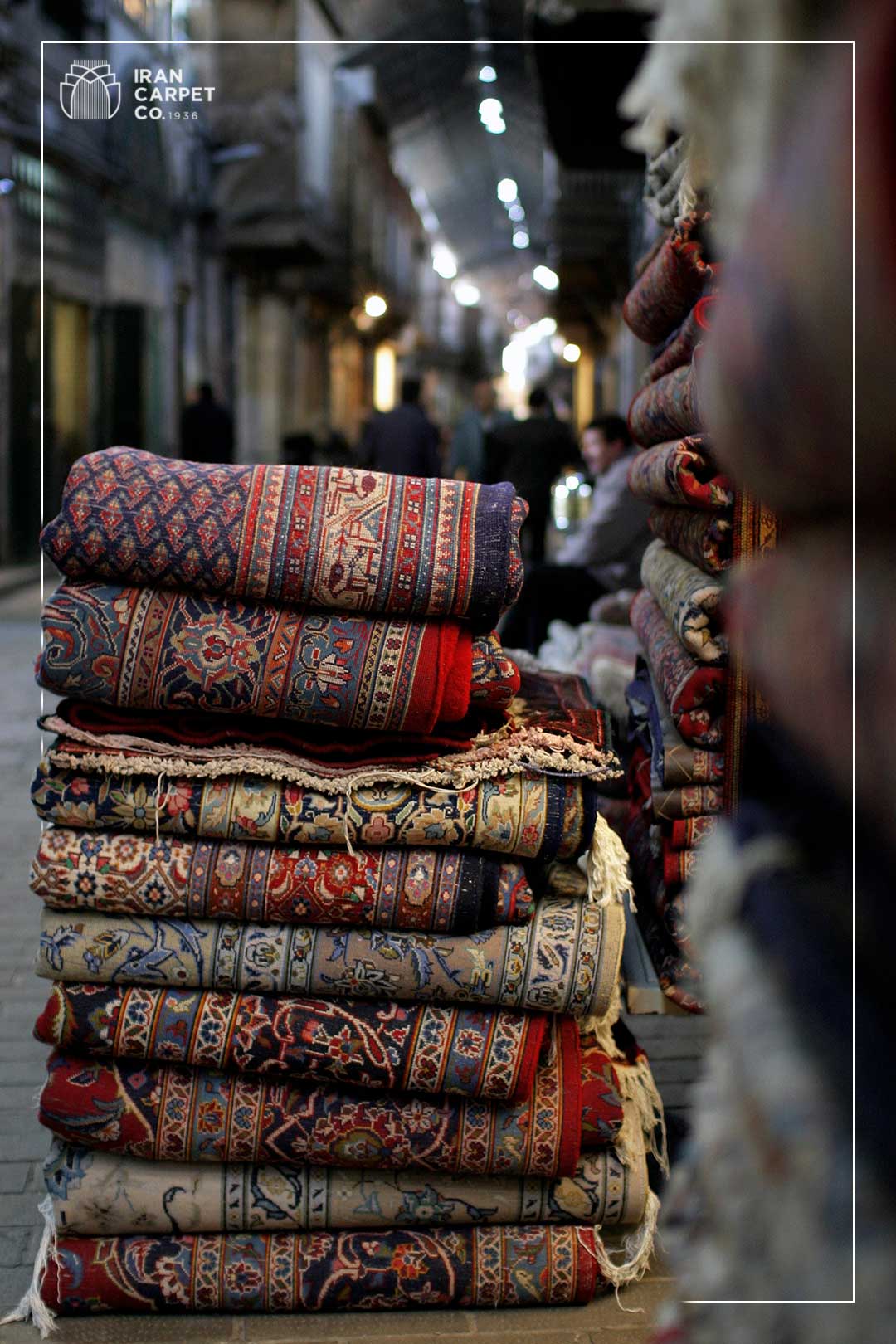
It is true that one has a better chance of finding a handwoven carpet in the country where it is made, since machine-made carpets are rarely found in the Middle Eastern carpet bazaar. But as for finding one more cheaply, I doubt it. To begin with, the tourist is negotiating in a foreign country, with an unfamiliar currency, for an item about which he usually knows little, while the dealer knows everything. Then, as I have tried to explain, time is of great importance when buying a carpet—and time is precisely what the tourist does not have. Given these circumstances, is it any wonder that his requests might irritate a genuine seller?
I should add that sellers are not always angels. They are certainly not eager for someone to give buyers the benefit of his own knowledge and expertise about carpets and help them make a purchase. For example, I used to visit the carpet bazaar regularly, two or three times a week, and once the sellers got to know me, they gradually began bringing out their finest carpets: Kazaks and Shirvans from the Caucasus; Yörüks and Kulas from Turkey; and Baluch, Kashan, and Bakhtiari carpets from Iran. These carpets were kept carefully out of sight, and they were not shown to me until I had acquired enough knowledge to appreciate their beauty.
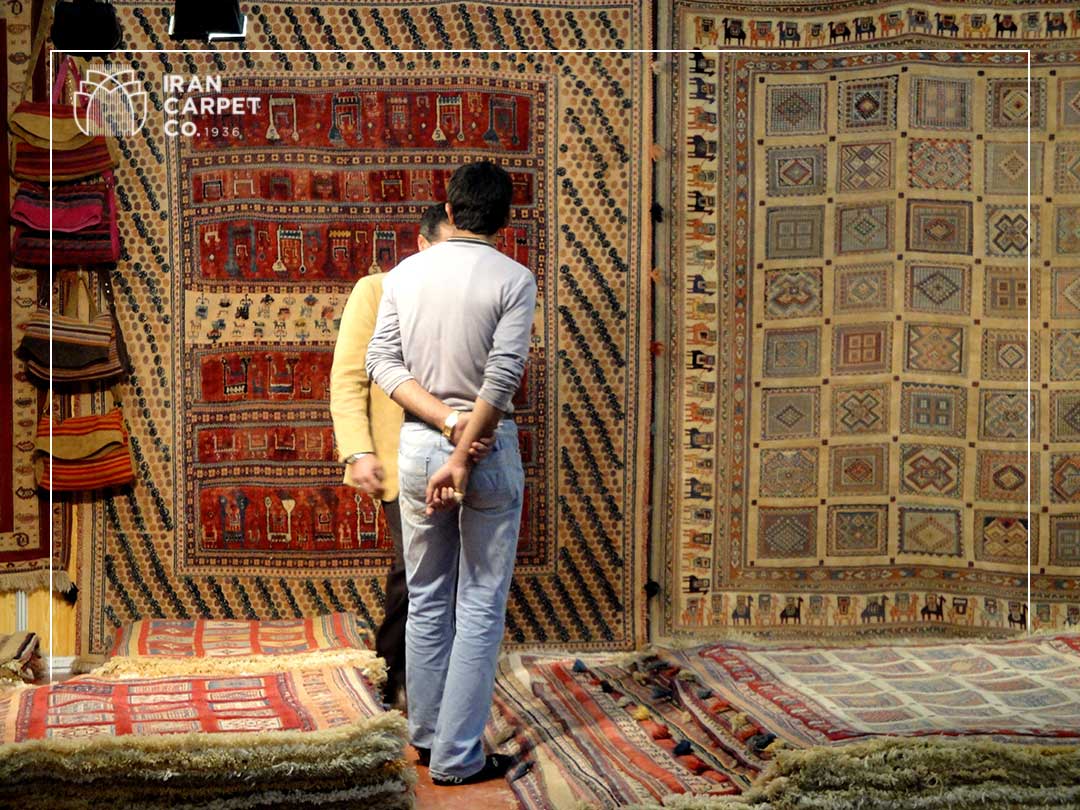
In short, tourists rarely have much chance of making a good purchase in the bazaar. If you want to enjoy your holiday in the Middle East, I suggest you take care of your wallet when buying a carpet. Only if you take your time can you make good purchases, because buying a carpet is an art, and this art is not easily acquired.
This article was written in 1965.