Washing, Storing, and Removing Stains from Handwoven Carpets

Washing Handwoven Carpets
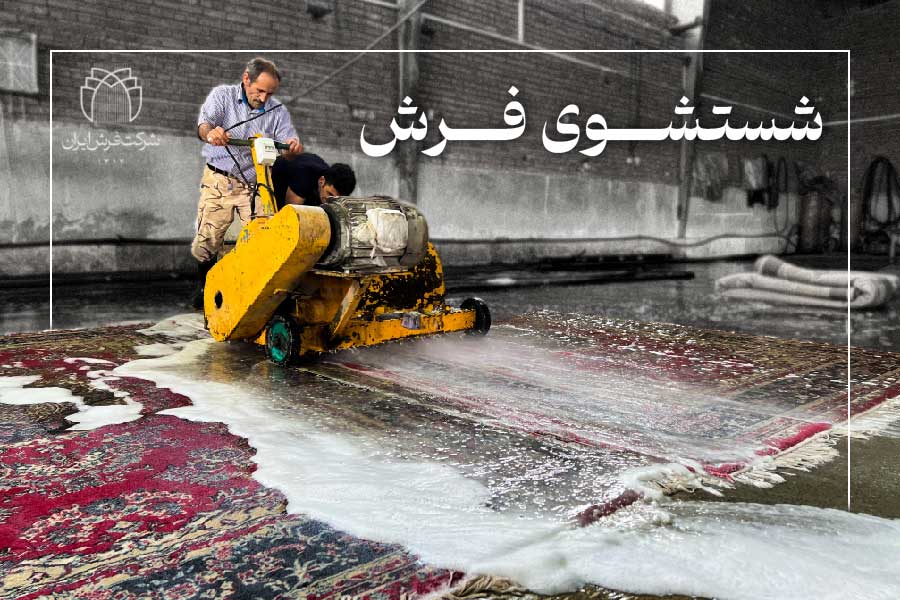
Inspect your carpet every two or three years and wash it if necessary. The less often a carpet is washed, the longer it will last; therefore, wash it only when needed. We recommend entrusting your carpet to a reputable carpet-cleaning service, such as Iran Carpet Company or a cleaner affiliated with the Carpet Cleaners’ Union. The modest cost of washing (compared with the carpet’s total value) can go a long way toward protecting your investment. If you prefer, you can use a carpet shampoo from a reputable brand that holds the required manufacturing licence. For home cleaning, it is best to use a wet-and-dry vacuum cleaner so that moisture does not remain in the carpet. After washing the carpet, leave the windows open for at least 2 hours so it can dry completely. If air pollution has left the carpet’s surface black and dirty, instead of washing the entire carpet, you can clean its surface as follows: a) Add a small amount of carpet shampoo to a bowl of water and stir it thoroughly by hand until it forms a lather. b) Using a polypropylene bag, scoop only the foam from the surface of the water, then use it to clean the carpet’s surface several times, working from top to bottom in the direction of the pile. c) Using a damp white cloth, wipe the detergent from the carpet’s surface in the direction of the pile. Note: Take care not to let water or detergent penetrate deep into the carpet, and make sure it dries completely.
Storing Handwoven Carpets
If you need to store a carpet for a period of time, follow these steps.
- First turn the carpet face down, then roll it up, placing anti-moth paper strips (Naphthalot) or moth-repellent products in several different parts of the carpet as you go.
- Wrap the rolled carpet in a cotton cloth, such as a bedsheet.
- Keep the carpet in a suitable, dry place free from damp.
- Every six months, expose the carpet to sunlight for at least one day, turning it over so both sides are exposed.
- When you take the carpet out of storage for use, unroll it and remove any remaining naphthalene. Air the carpet for as long as necessary to eliminate the naphthalene smell completely.
How to Remove Stains from Handwoven Carpets
If a stain appears on your carpet, follow these steps:
- If liquid is spilled on the carpet, remove it immediately with a spoon, then blot the area as dry as possible with a clean, dry white cloth. Make sure the underside of the carpet is dry as well, to prevent mould and rot.
- Use a vacuum cleaner to remove powders and other dry substances spilled on the carpet.
- Remove stains patiently and without rushing. Repeat the process several times if necessary.
- Pouring cleaning solutions directly onto a stain may spread it rather than remove it. Instead, apply the solution with a white cotton cloth.
- If the stained area needs to be dampened, use a spray bottle that disperses water as a fine mist rather than pouring water directly onto it.
- To prevent the stain from spreading, clean from its outer edge toward the centre.
- Use only white cloths for stain removal.
- Add a little dishwashing liquid to a bowl of water and stir it well until it forms a lather. Use the foam to clean the stain.
- After removing the stain, use a damp white cloth to wipe the area several times in the direction of the pile, removing any detergent or stain remover.
Related Reading
All Journal & Blog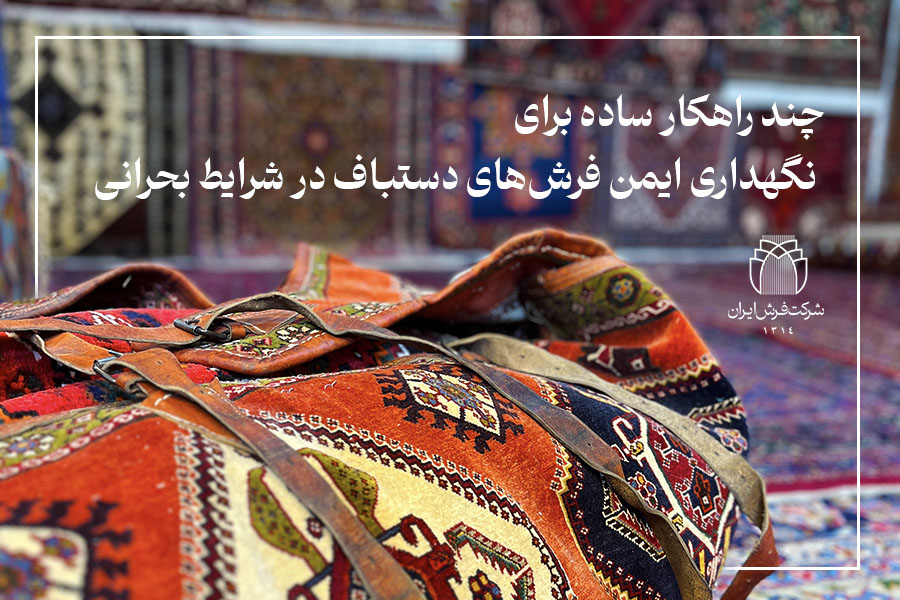 Care & Maintenance
Guidance on Safely Storing Handwoven Carpets in Times of Crisis
During emergencies, handwoven carpets—among a family’s most important assets—require special care. This step-by-step guide explains how to store them properly, helping prevent damage and preserve their cultural and financial value through difficult times.