
History & Heritage
Establishment of the Carpet Inspection Department
Nov 28, 20193 min readIran Carpet Company
Hamid Kargar / PhD in Communication Studies
Management scholars have identified “oversight and control” as one of the most important responsibilities of any manager. This approach helps maintain an organization’s structure and consists of continuously assessing and improving its performance to ensure that it achieves its objectives. Through the process of oversight, resources and activities can be used with maximum efficiency and effectiveness in pursuit of organizational goals. If this essential function is neglected, other management responsibilities—such as planning, organizing, and directing—cannot be guaranteed to operate effectively.
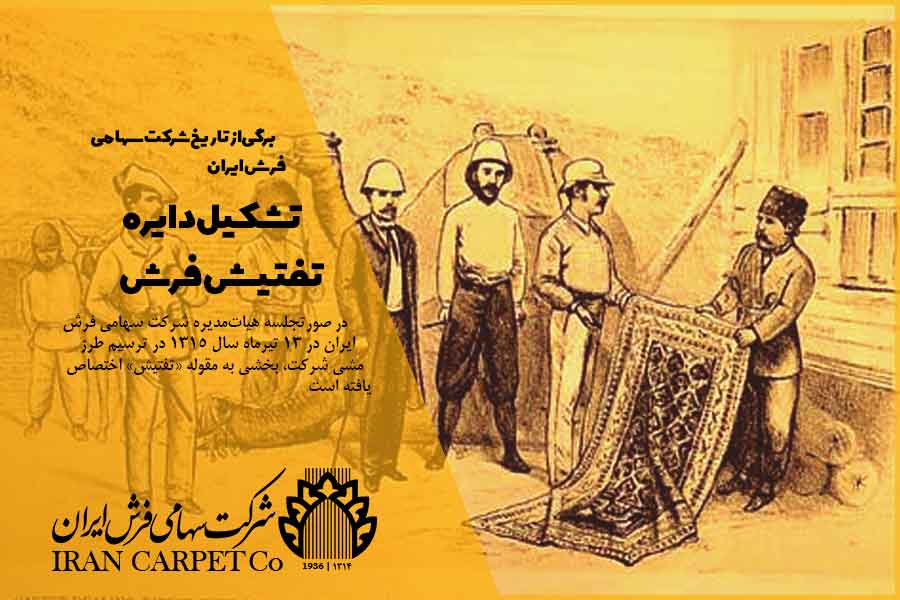
Nearly eighty years ago, the board of Iran Carpet Company, convinced of the need for oversight and inspection in the production of handwoven carpets, insisted—in the terminology of the day—on establishing an “Inspection Department.” The record of their discussions and resolutions makes for worthwhile reading. In the minutes of a meeting of the board of Iran Carpet Company on 4 July 1936 (13 Tir 1315), a section on “inspection” was included in the company’s policy framework. It reads as follows:
Mr. Kashef explained the need for an inspection department to oversee weaving, design, and dyeing, staffed by specialists and technical experts. He proposed that the head of the Inspection Department administer the relevant affairs under the supervision of the board and submit reports on its operations to the board.
Mr. Hildebrand did not consider an Inspection Department necessary at that time, though he regarded it as necessary once the company’s operations had expanded. Mr. Kashef reiterated his recommendation. After a series of discussions, his proposal was approved unanimously in the following terms:
Since all the company’s operations—including purchasing and procuring materials, dyeing, weaving, carpet washing, wool washing, carrying out contracts, paying wages, and providing workers with tools—require thorough oversight, the company shall establish a department called the Inspection Department, under the leadership of a member of the board. When necessary, it shall appoint an experienced and capable inspector to oversee the company’s affairs.
The head of the Inspection Department shall be a member of the company’s board and shall submit reports directly to the board, and thereafter to the company’s central office.
The company shall request that the government make its officials available, when necessary, to facilitate inspection. To distinguish carpets made in accordance with the company’s instructions and regulations, and also to distinguish certain Iranian carpets from those of other countries, the company shall choose a distinctive mark and incorporate it into the carpets, making it as difficult to imitate as possible.
“The company shall register this mark in Iran and in all centers where carpets are traded.”
 History & Heritage
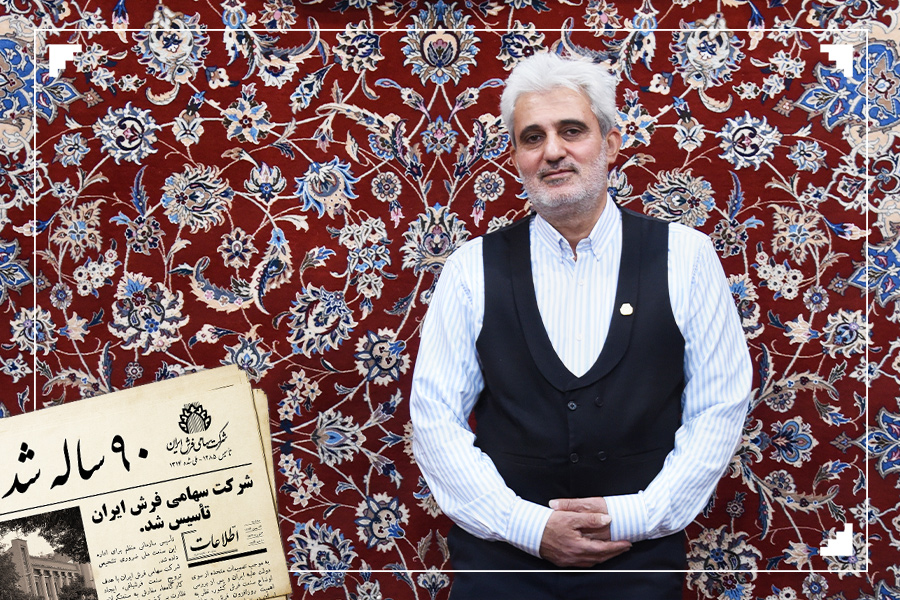
This interview was conducted to mark the 90th anniversary of the nationalization of Iran Carpet Company and to record and preserve the experiences and memories of its long-serving and veteran colleagues.
 History & Heritage
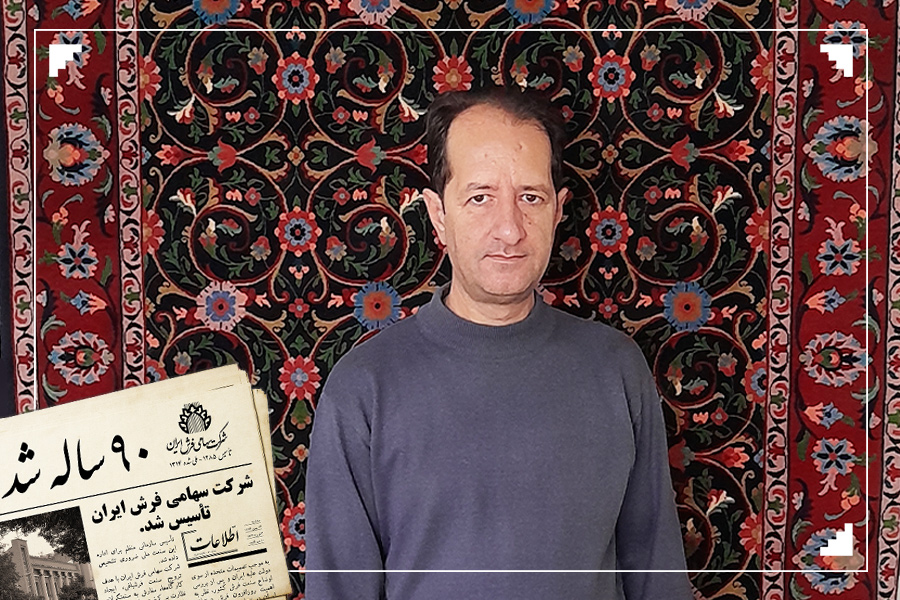
This interview was conducted to mark the 90th anniversary of the nationalization of Iran Carpet Company, and to record and preserve the experiences and memories of its veteran and long-serving colleagues.
 History & Heritage
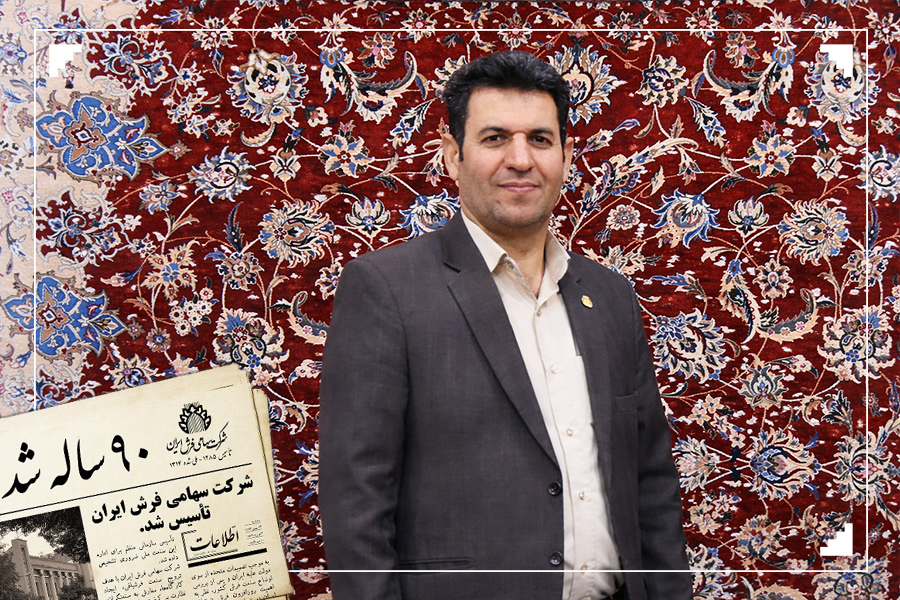
This interview was conducted to mark the 90th anniversary of the nationalization of Iran Carpet Company and to record and preserve the experiences and memories of its long-serving and pioneering colleagues.