The Sely Carpet from the Imperial Carpet Collection
In 1872, one of the world’s largest museums opened in Manhattan, New York: the Metropolitan Museum of Art. Today, with more than 150 years of history and a collection of nearly 500,000 works of art, it is recognized as the largest museum in the United States.
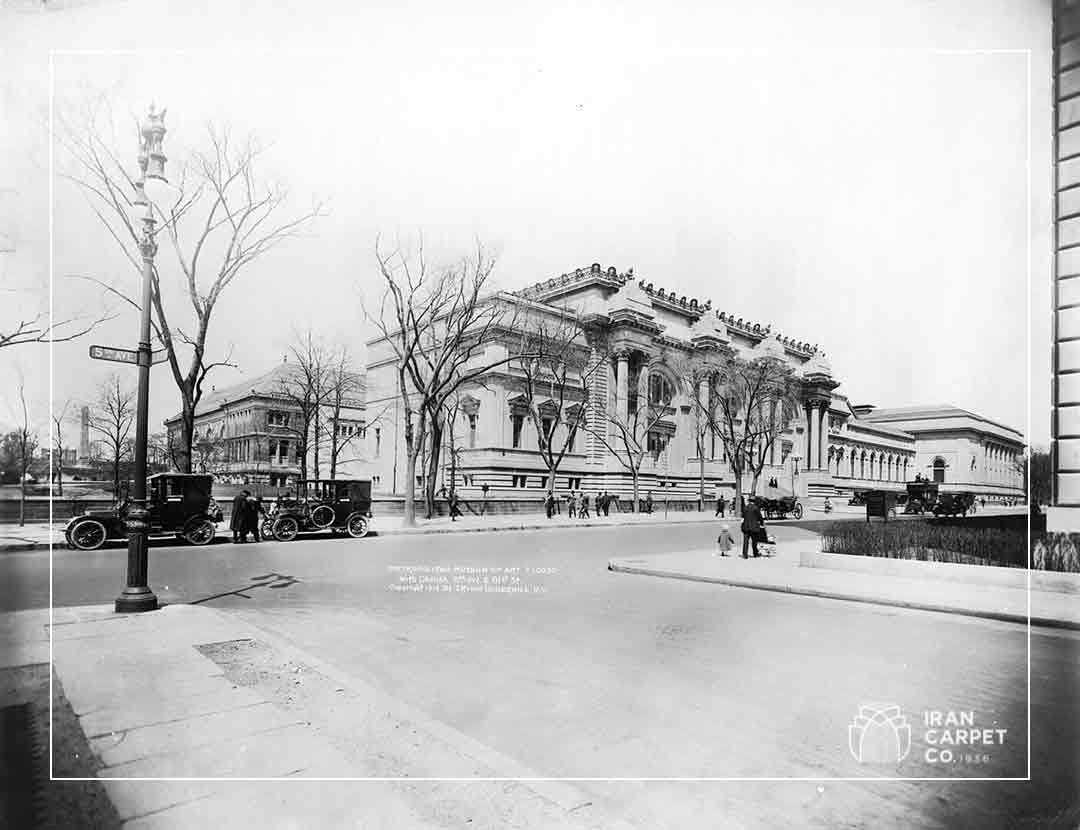
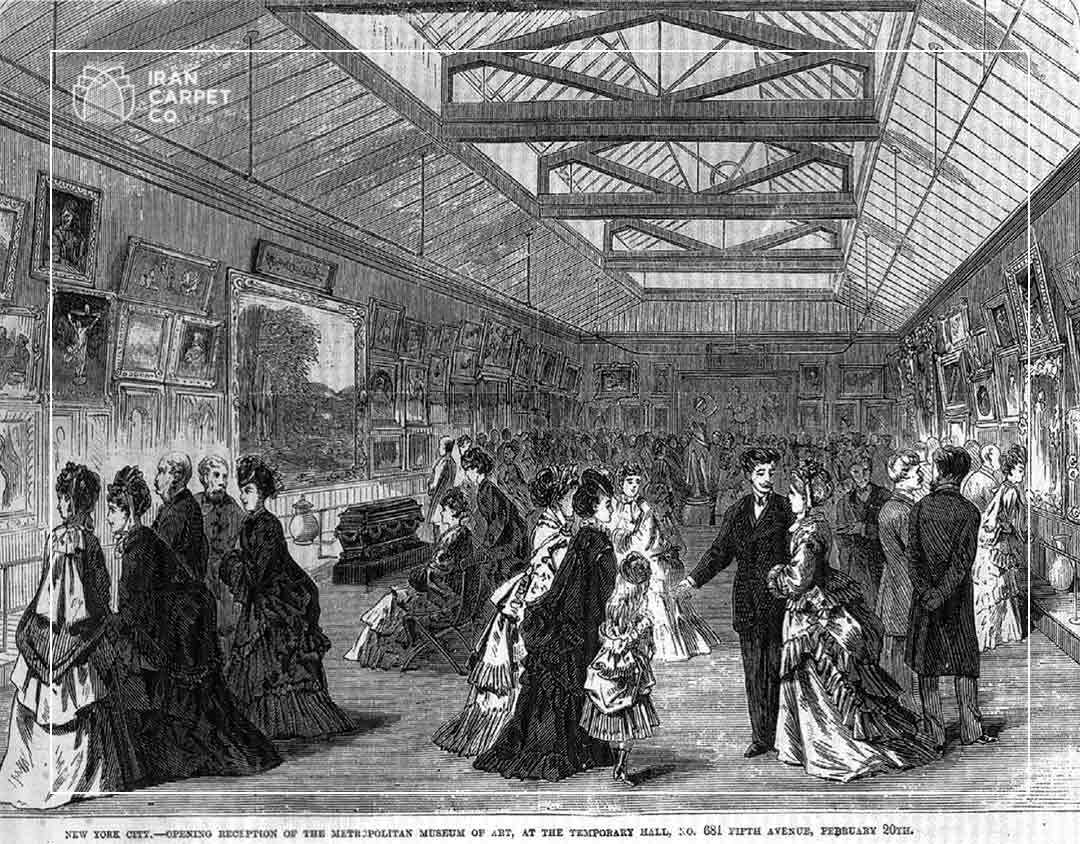 Opening of the Metropolitan Museum in 1878
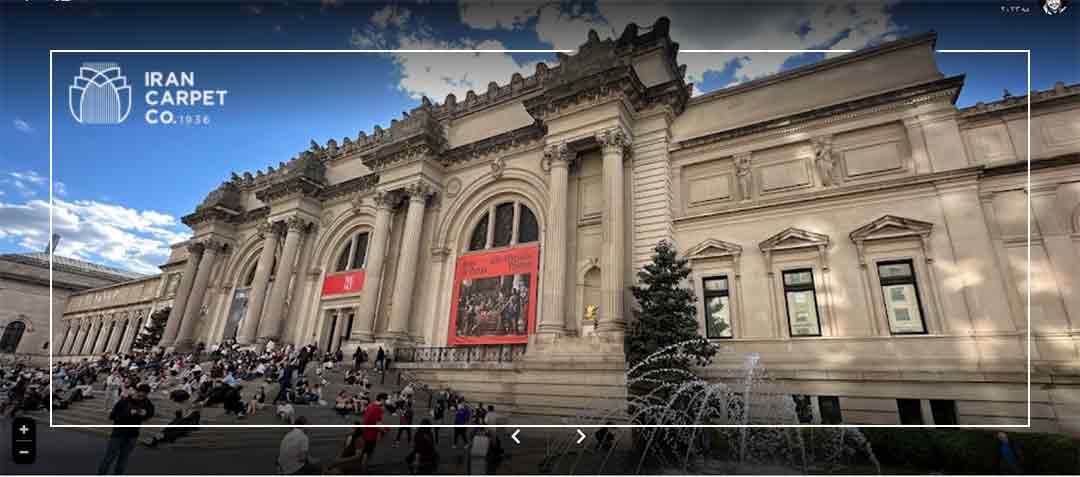
A significant part of the Metropolitan Museum of Art’s vast collection is devoted to Oriental textiles, among which Iranian carpets hold a place of particular importance.
Among the most exquisite classical urban-woven carpets held at the Metropolitan Museum of Art, Safavid carpets from Iran shine like jewels, continually attracting the attention of researchers, carpet experts, and art historians from around the world.
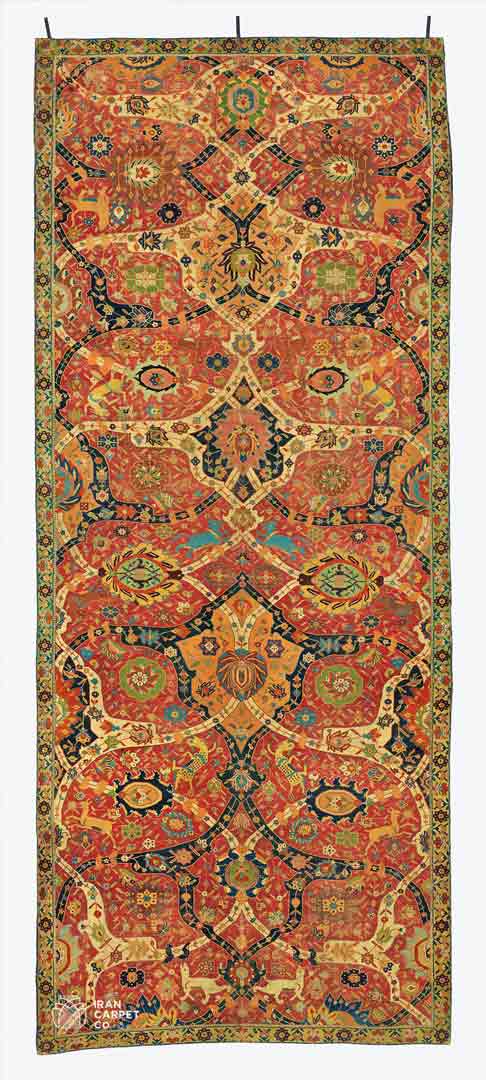 17th-century Kerman carpet
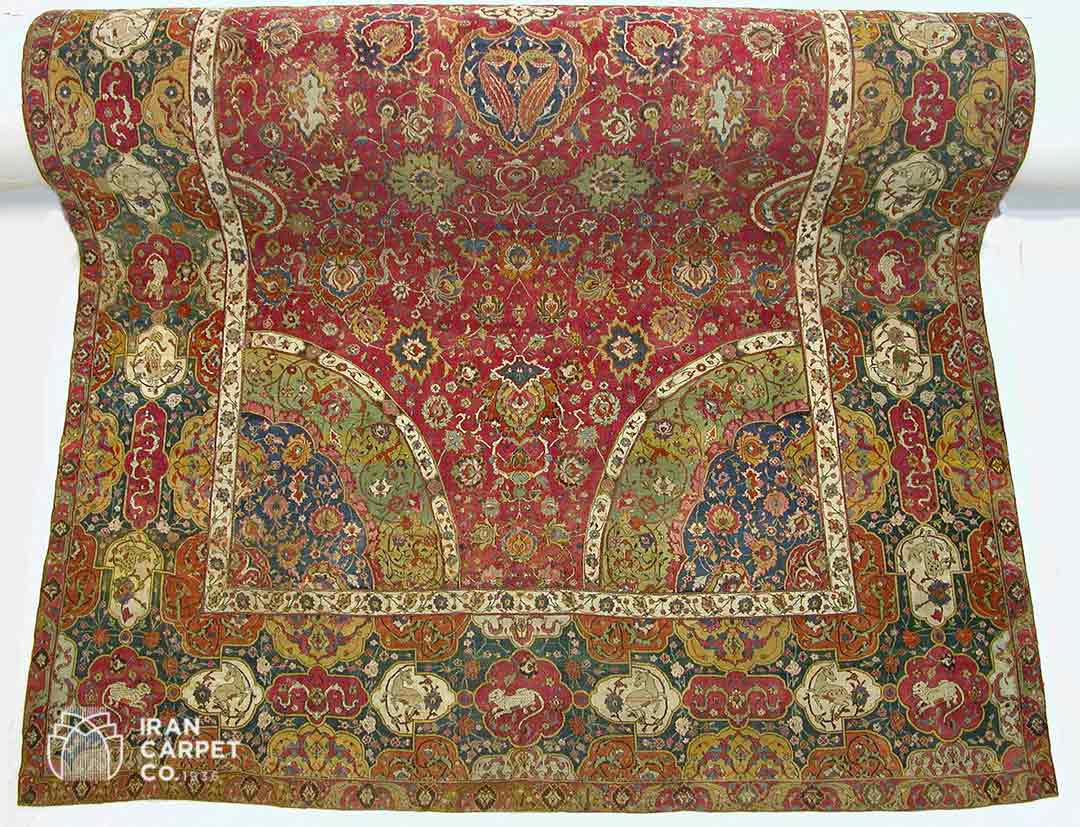
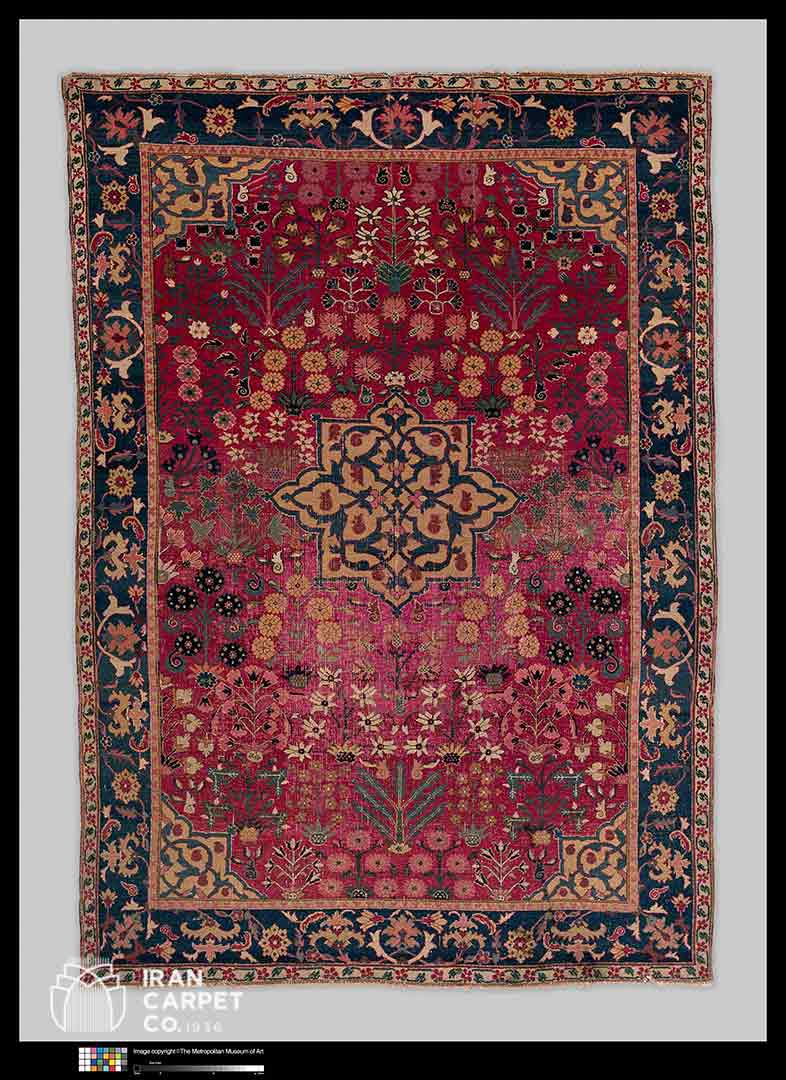 17th-century Kerman carpet
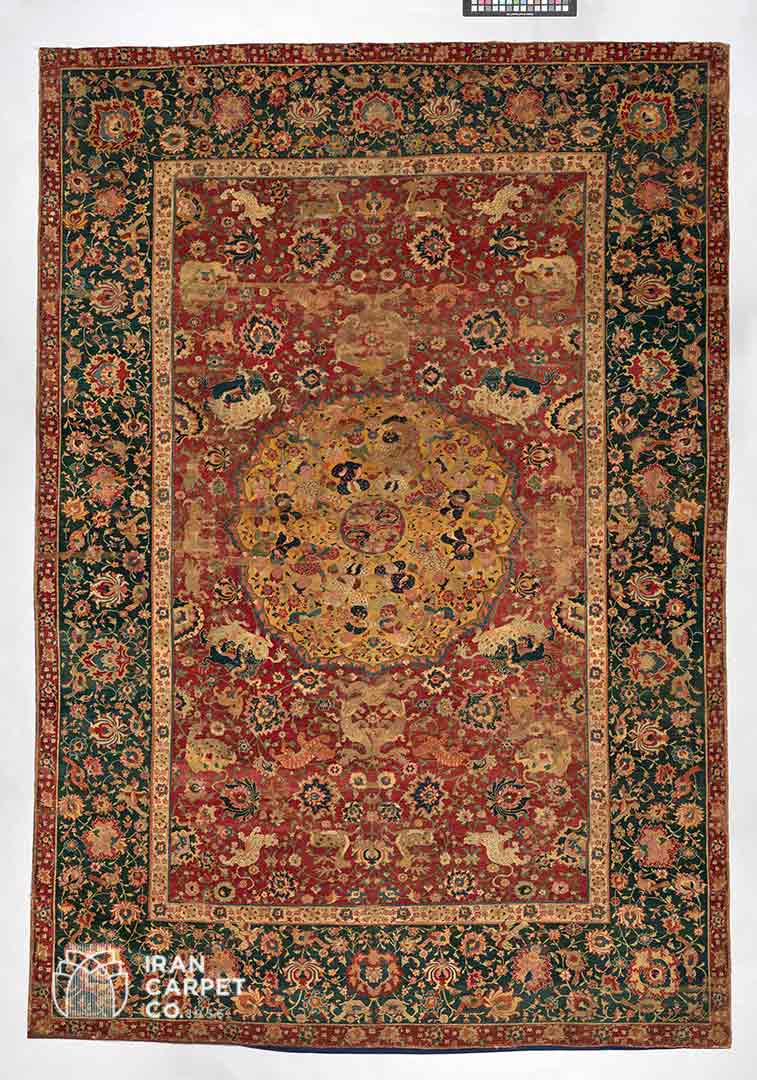 Iranian carpet, probably attributed to Tabriz
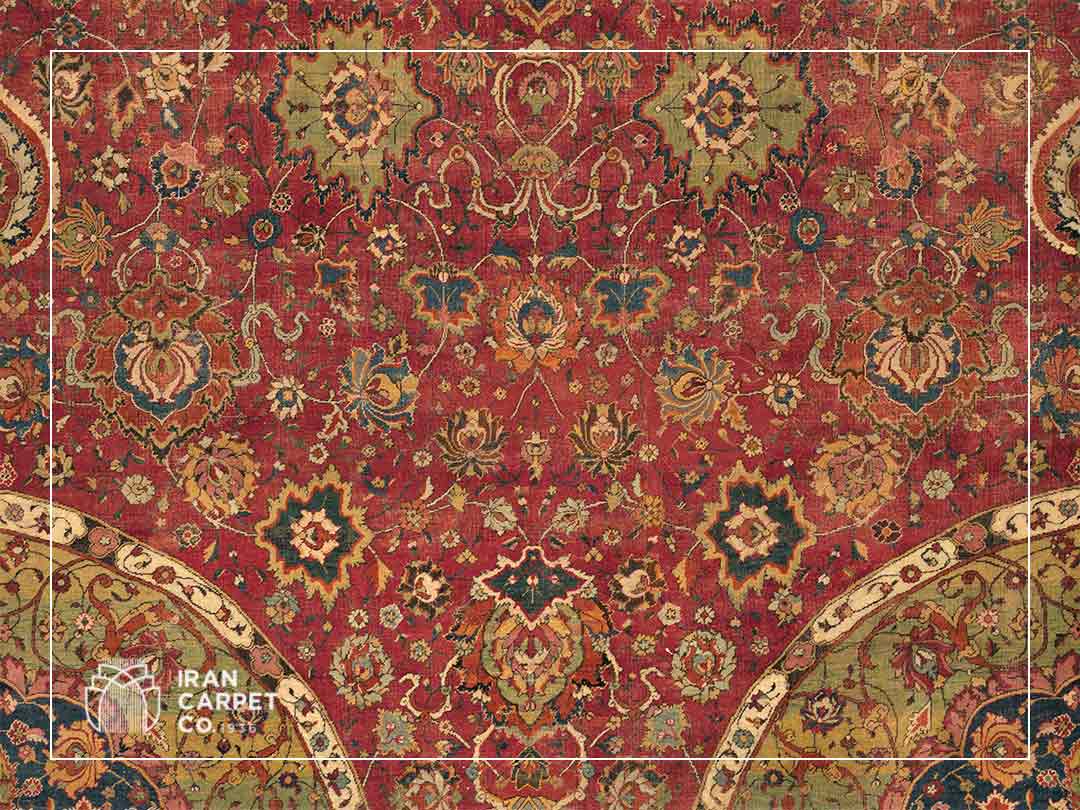
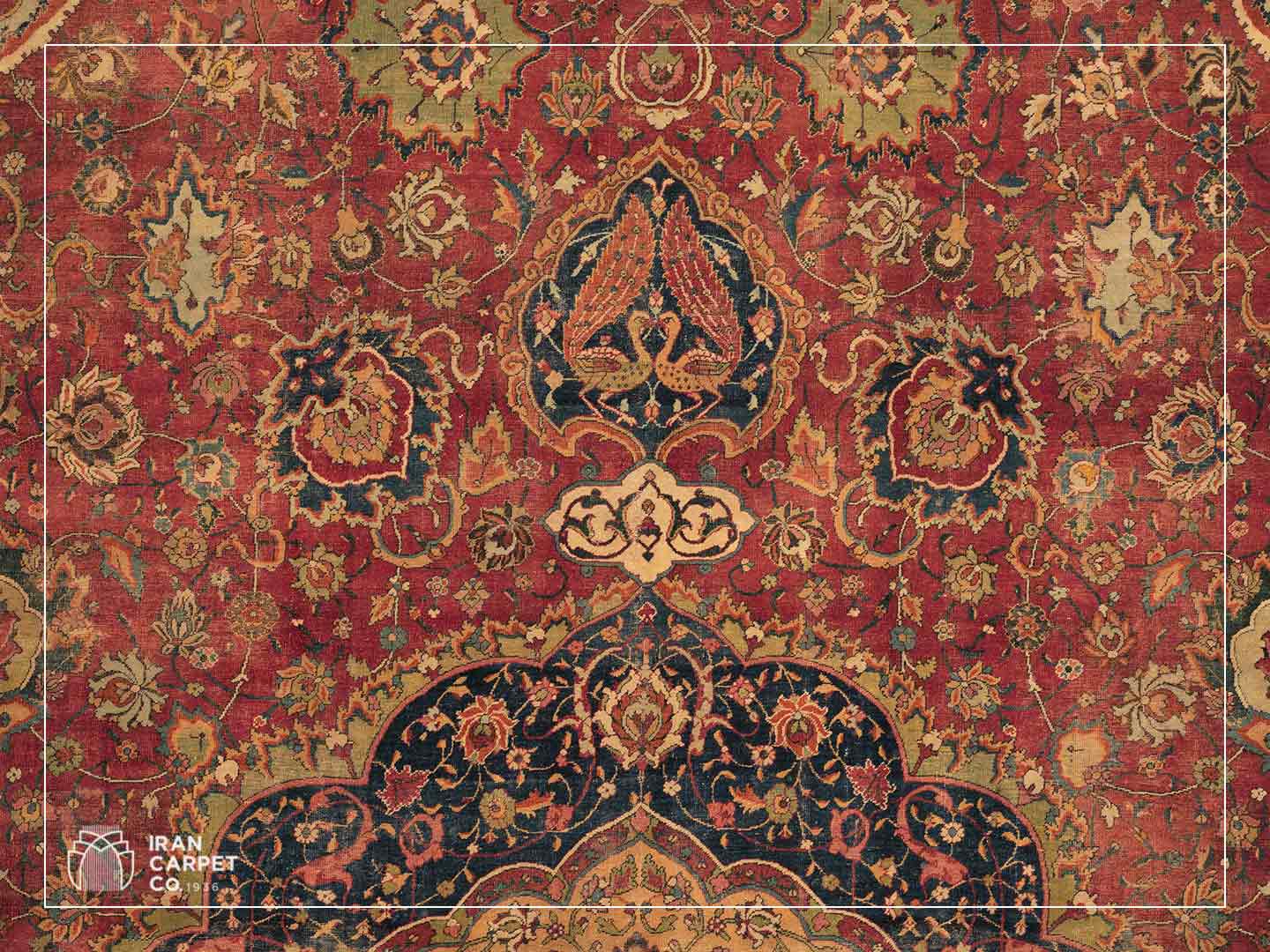
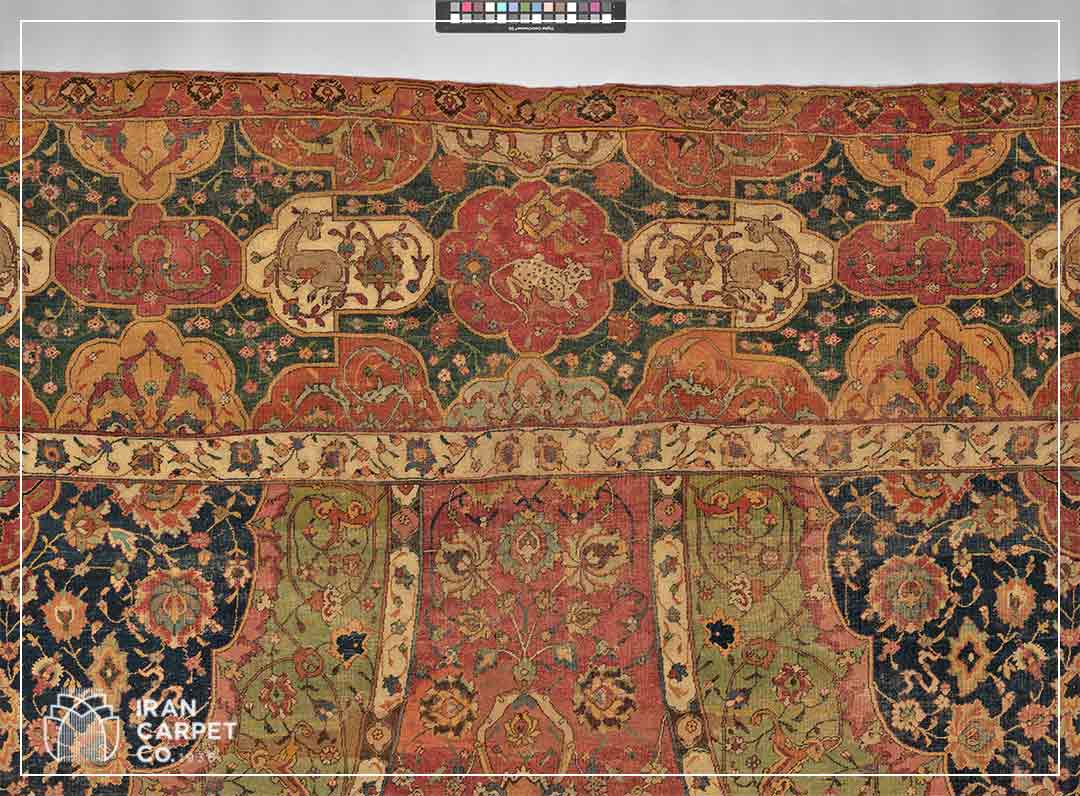
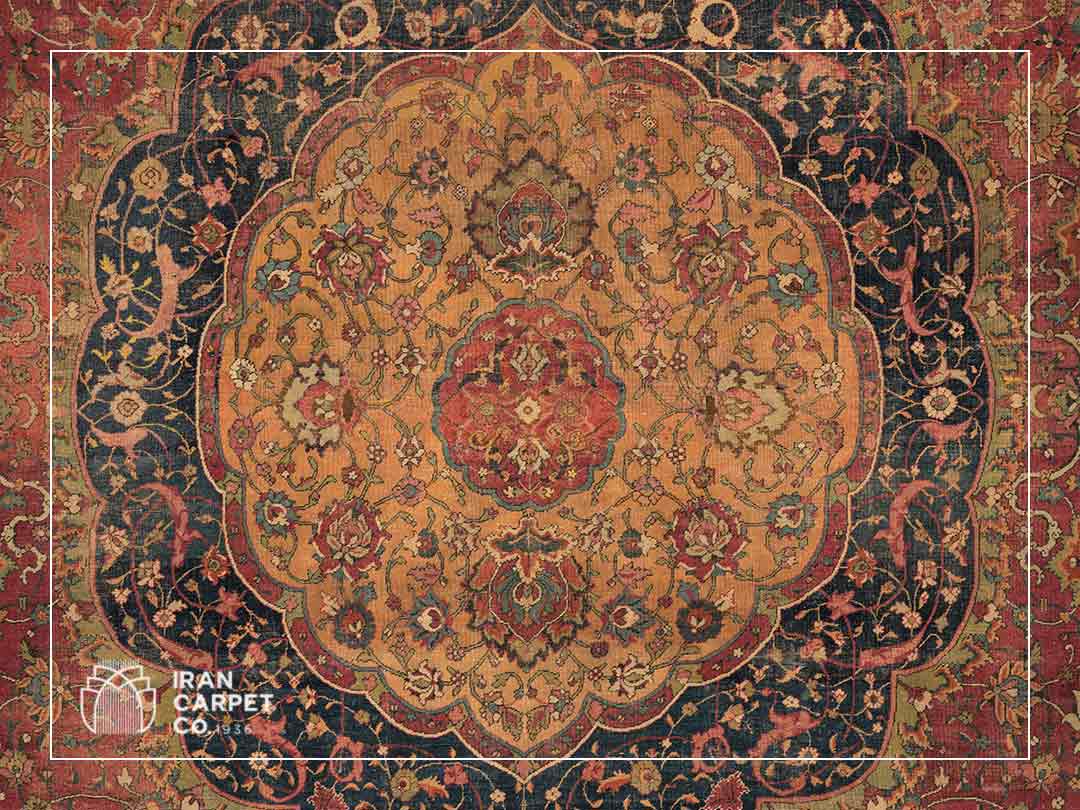
More than 50 exceptional and rare examples of Safavid-era carpet weaving are held at the museum. Among the best known is an unparalleled masterpiece renowned as the Sely Carpet.
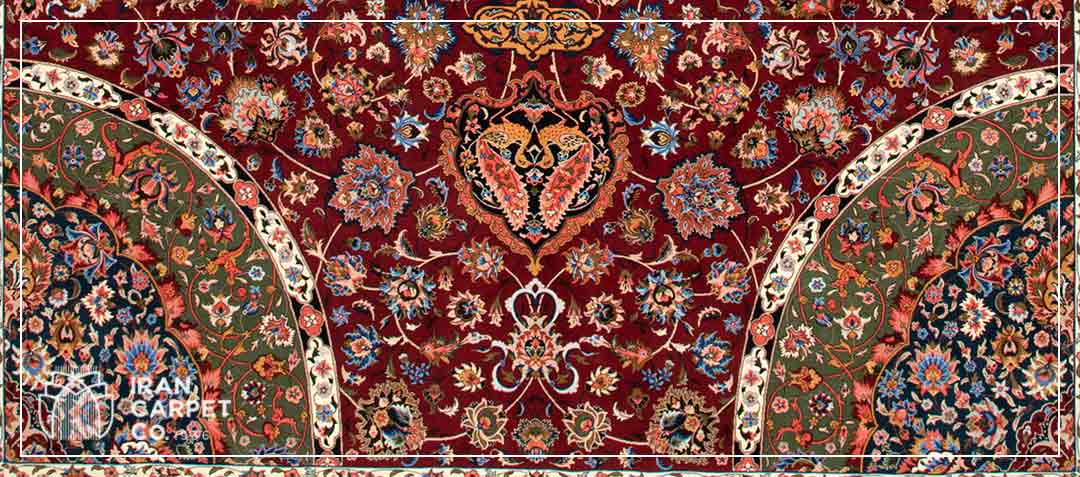
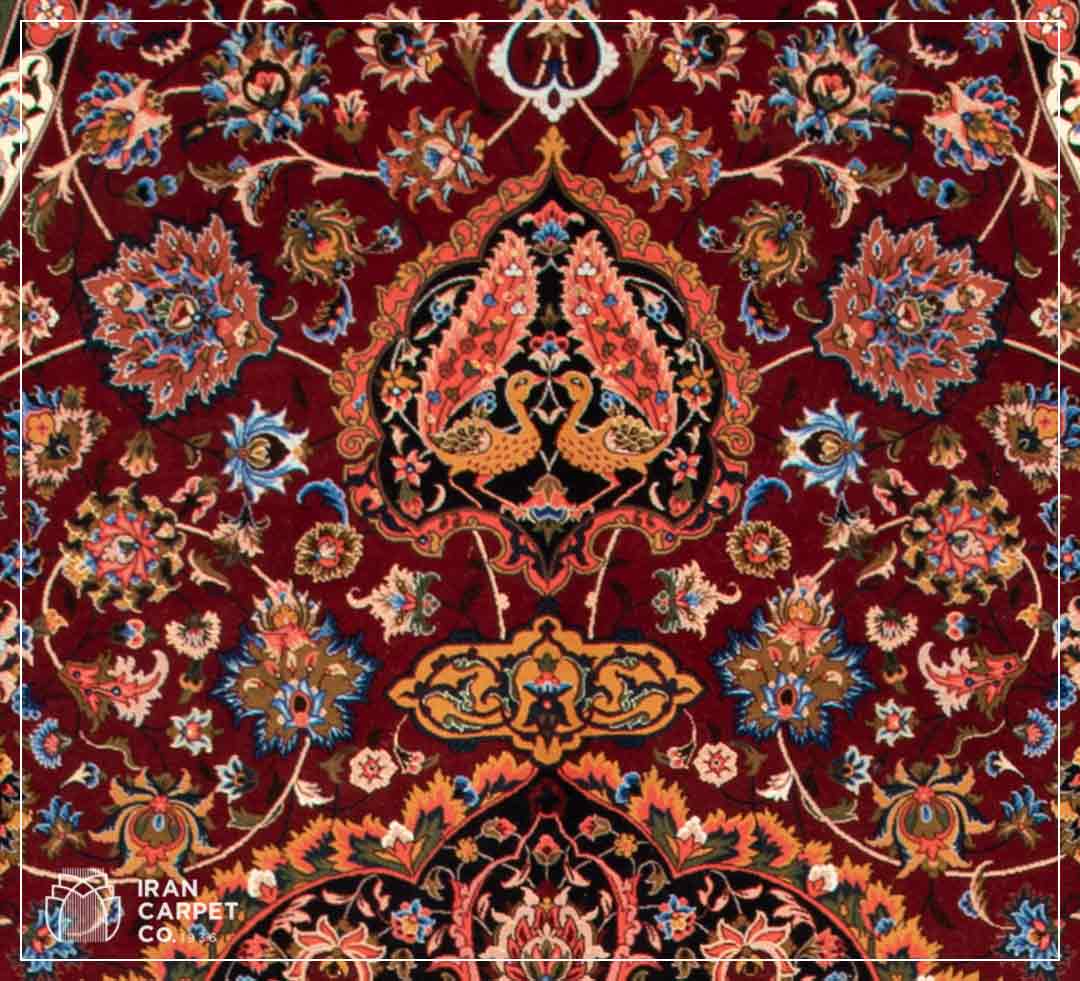
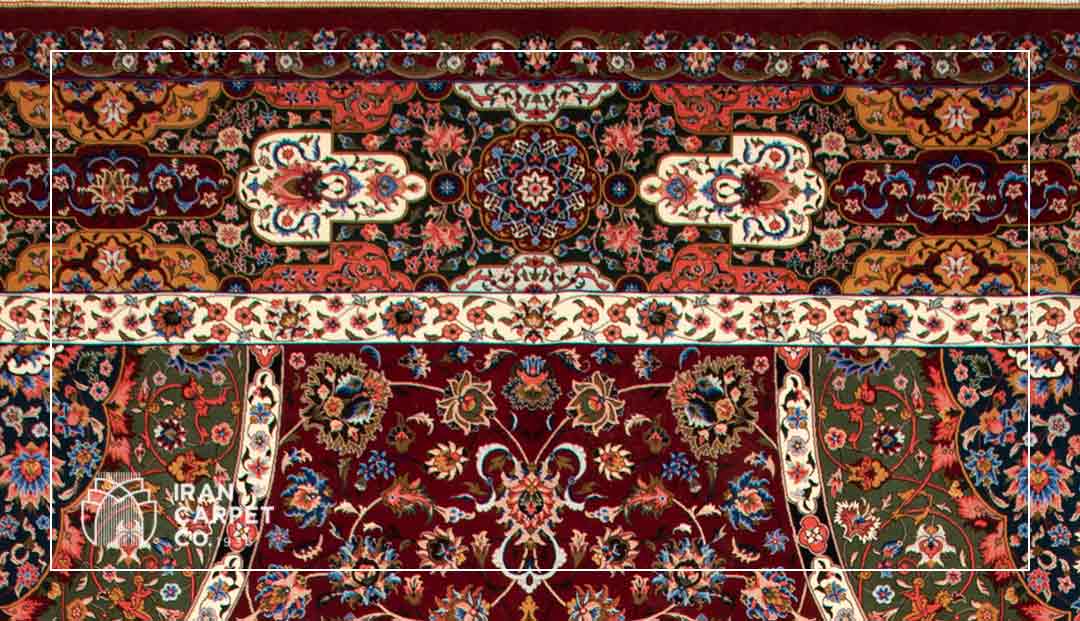
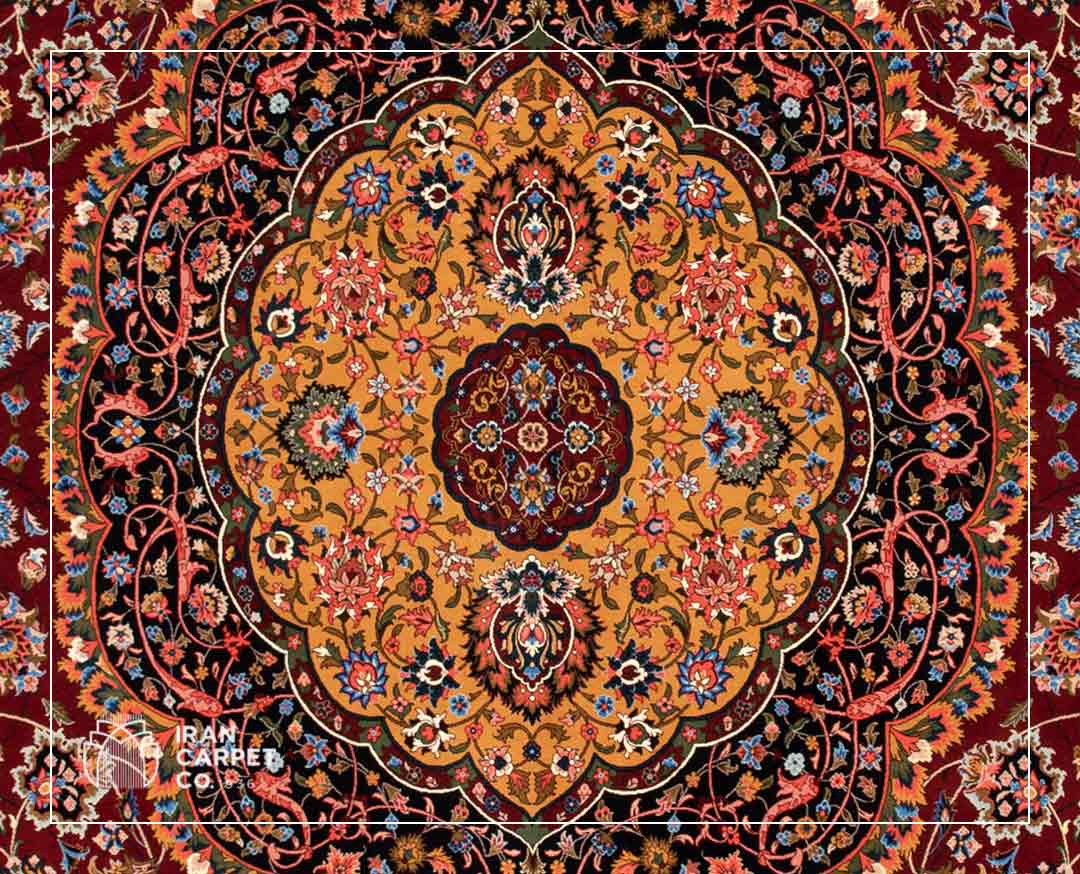
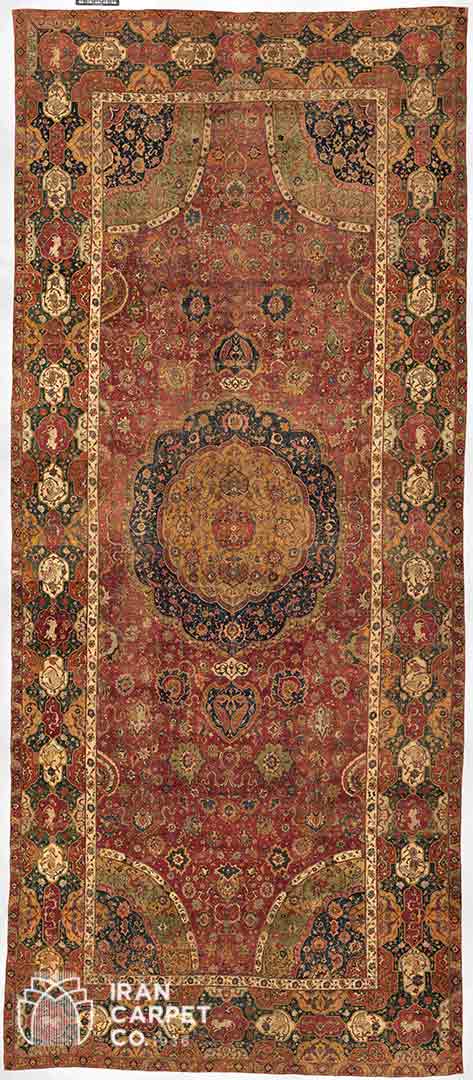 Iran Carpet Company has recreated a celebrated work from among the Safavid carpets at the Metropolitan Museum of Art. The result is one of the finest works produced by Iran Carpet Company in the past fifty years.
In 1932, the carpet was sold at the American Art Association in New York by the Ben Goyat brothers, prominent international carpet dealers. It was purchased by the Sely brothers.
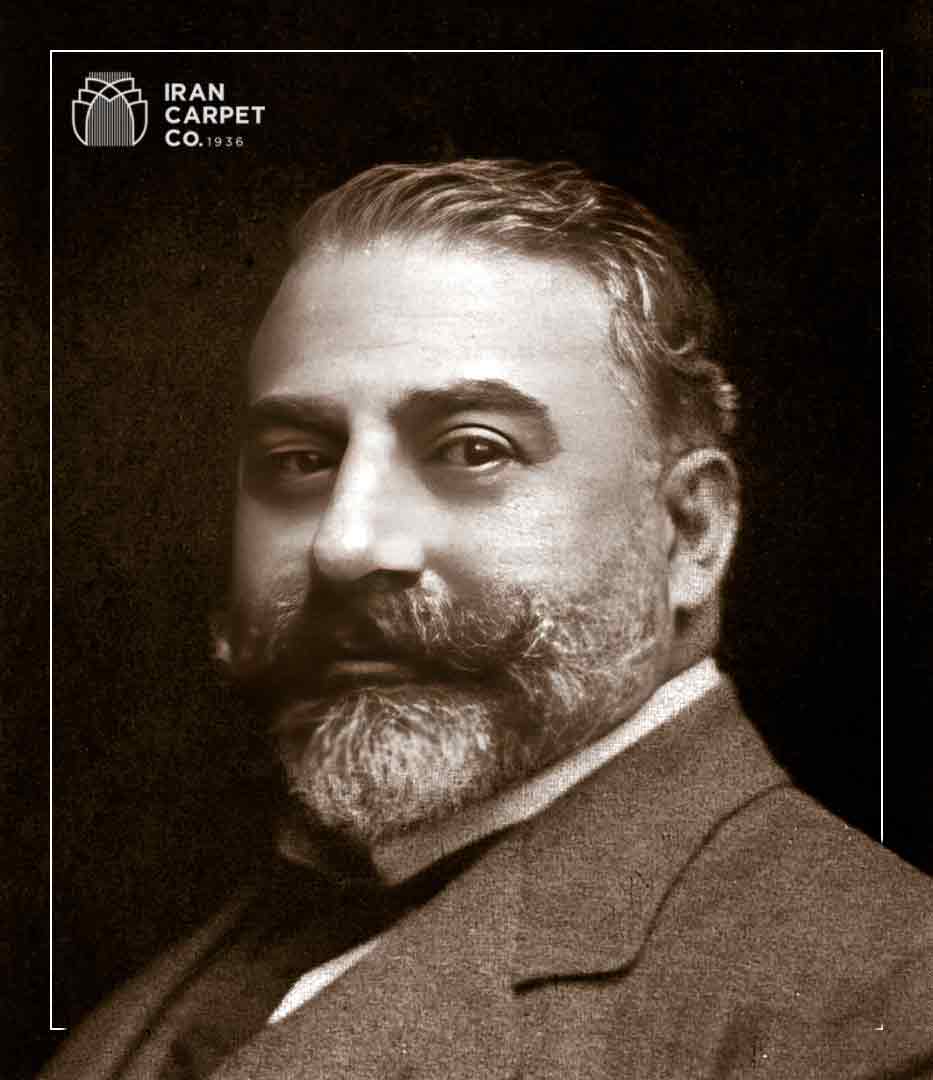 Vital Ben Goyat
This magnificent and singular carpet eventually entered the Metropolitan Museum’s collection in 1978, donated by the Sely brothers. It is now known around the world as the Sely Carpet.
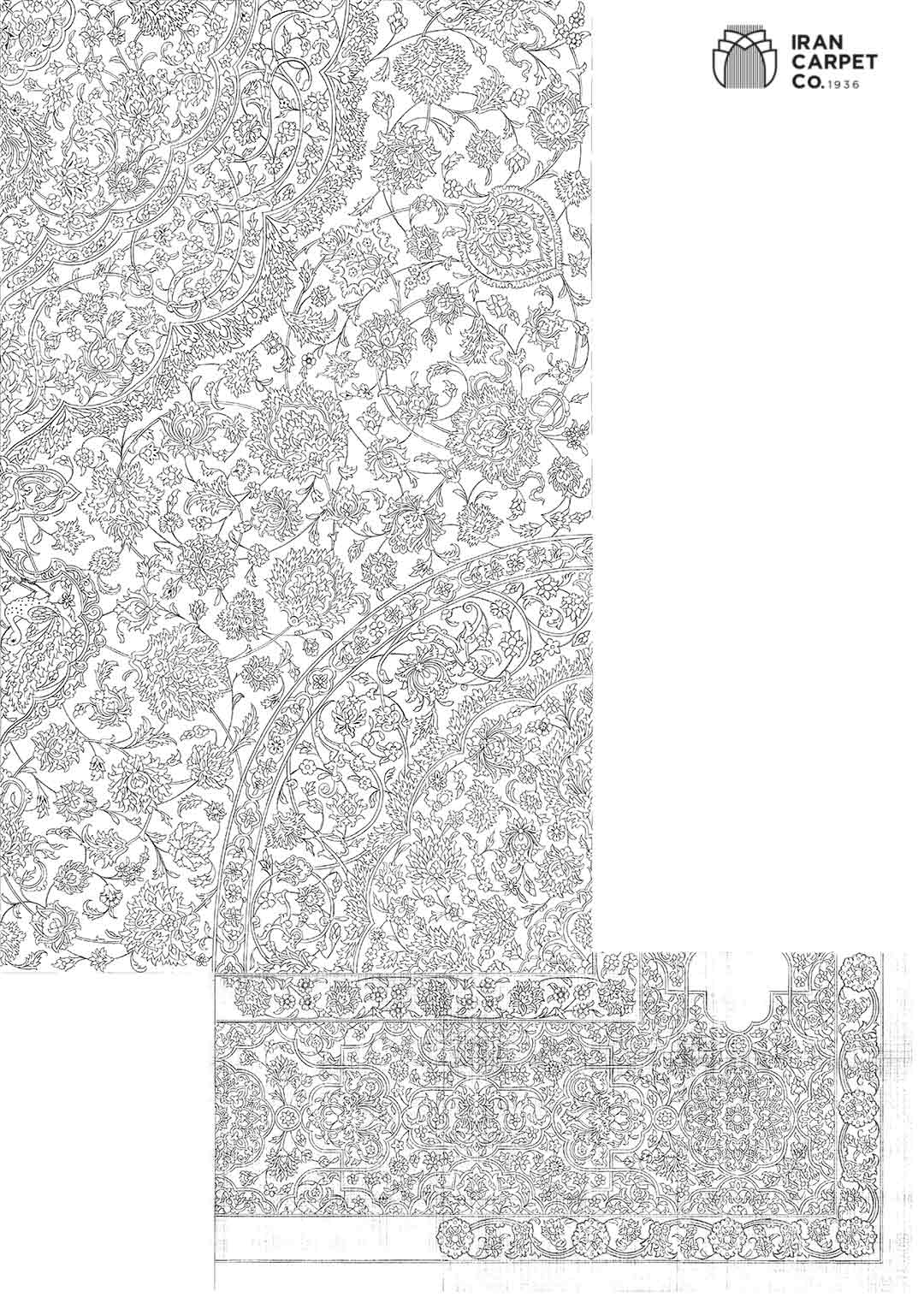
The carpet’s design was recreated by the design department of Iran Carpet Company over a period of four months, and it was woven using the finest wool fibers and dyes prepared to exacting standards.
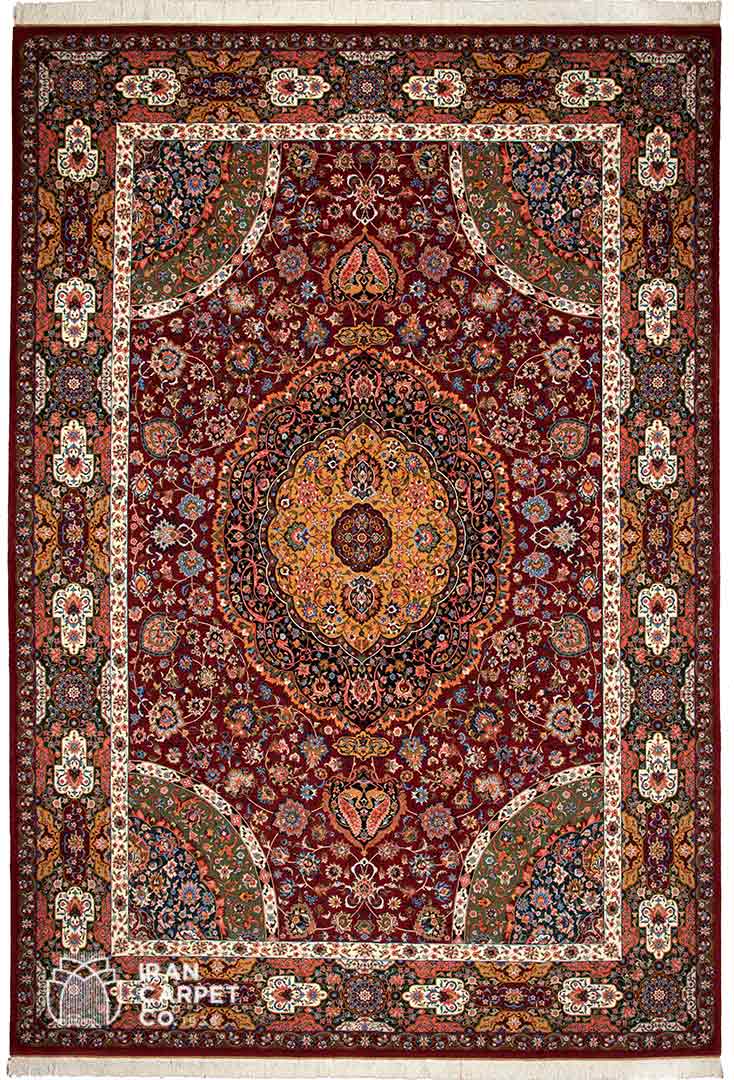
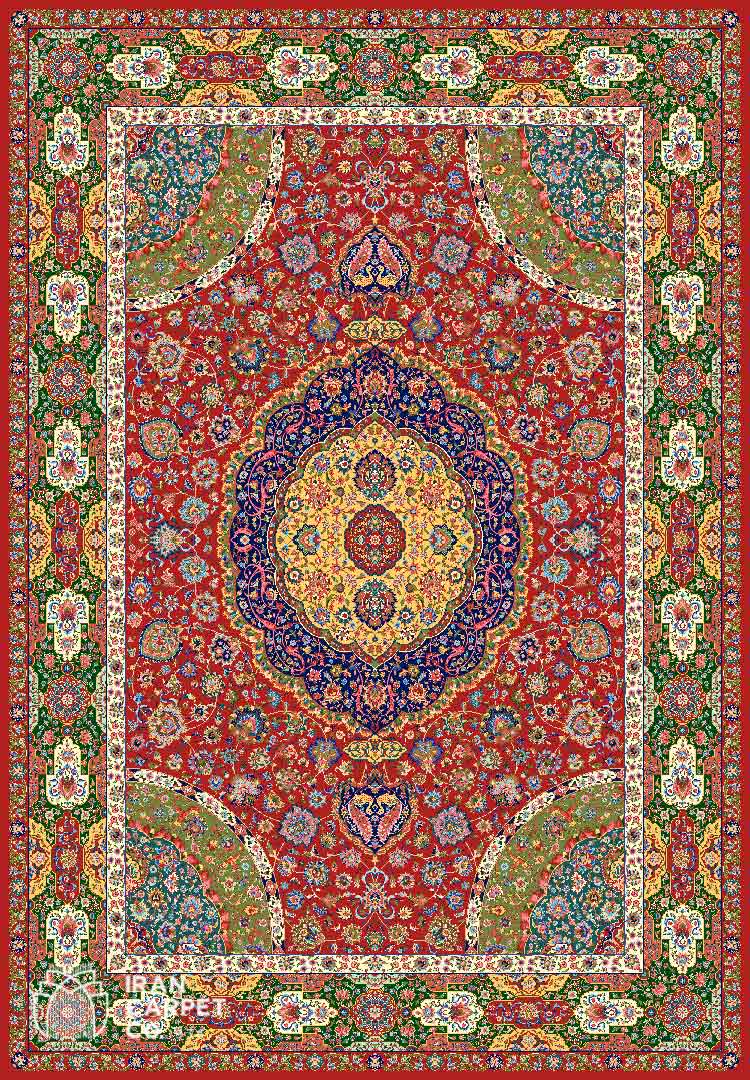
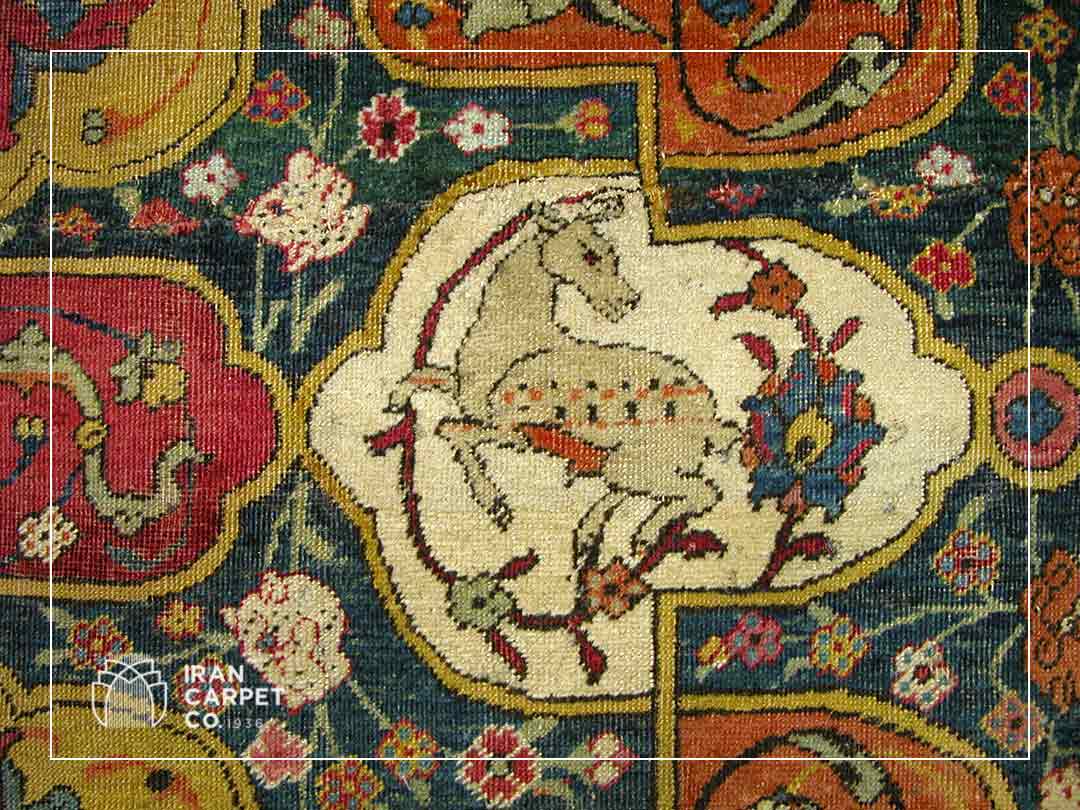
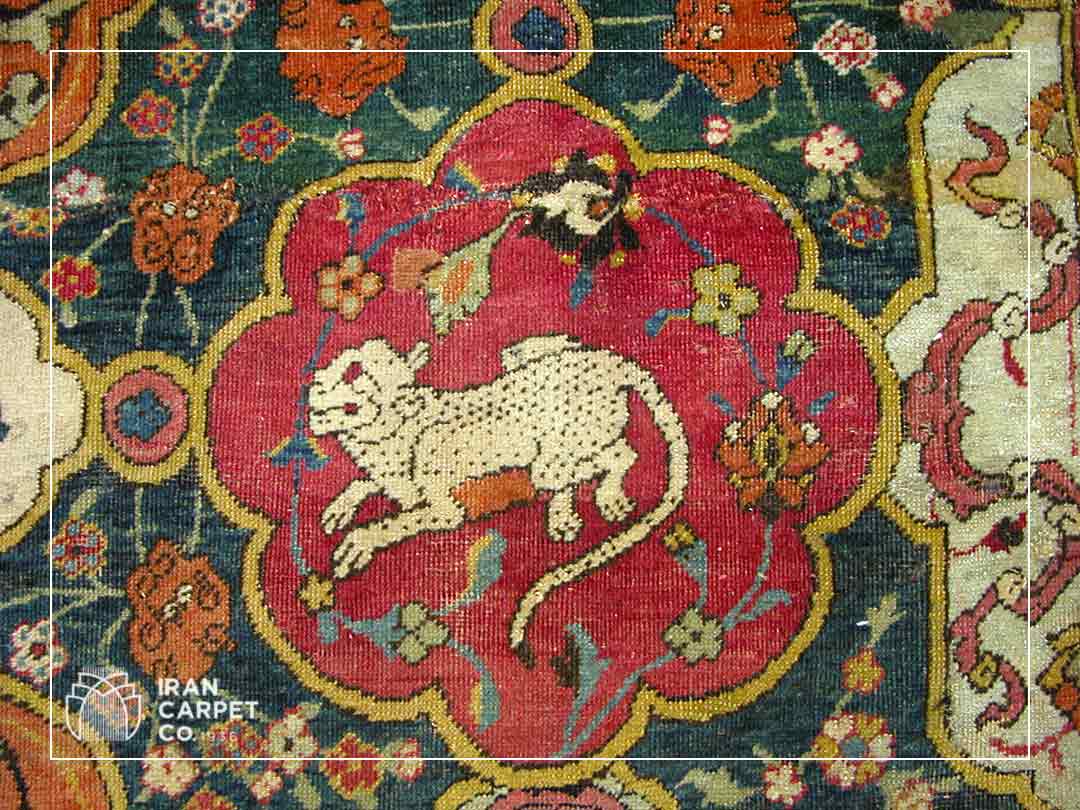
The asymmetrical Persian (Senneh) knot, together with the design and color palette, suggests that the Sely Carpet may have been woven in Kashan or Isfahan, perhaps in a royal workshop. In recreating the design, the animal figures were omitted, while the overall structure of the pattern was otherwise carefully preserved, with only minor adjustments to the color palette.
The circular cornerpieces, khata’i vine scrolls, and various Shah Abbasi blossoms, set around the carpet’s large and beautiful medallion, make it one of the finest works woven in Iran Carpet Company’s workshops.
The recreation of magnificent Safavid carpets, with the aim of reviving the golden age of Iranian carpet weaving, is part of Iran Carpet Company’s program. More works are expected in the near future.
Related Reading
All News & Reports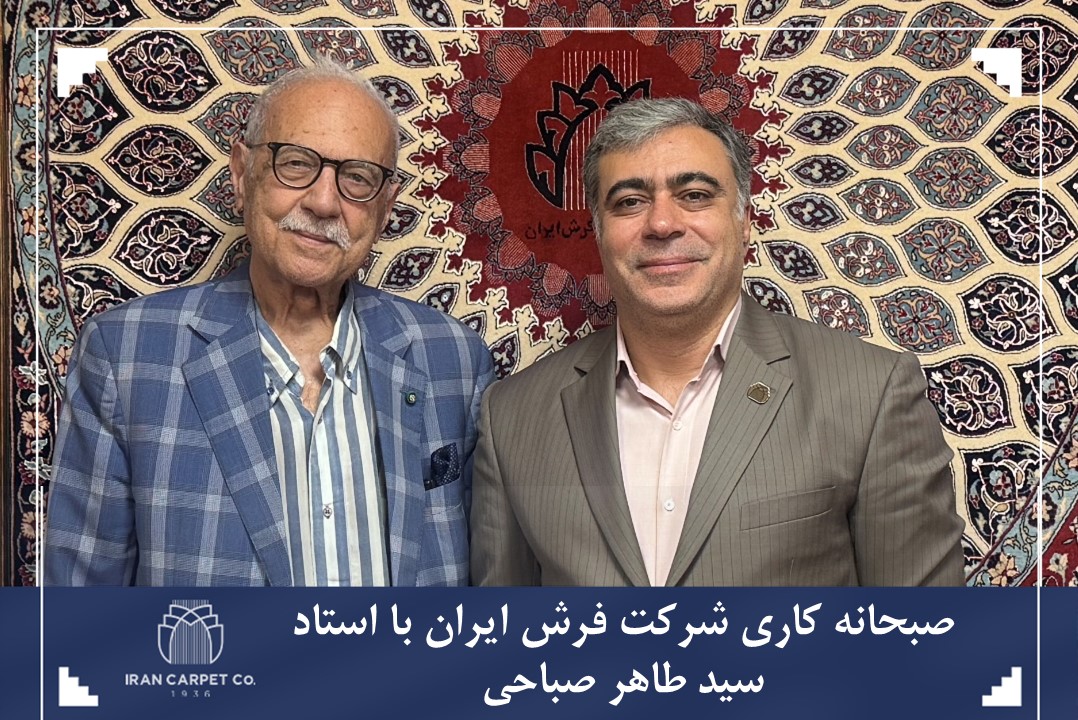 Corporate News
Iran Carpet Company Hosts a Working Breakfast with Master Seyyed Taher Sabahi: From Reweaving Masterpieces to Expanding Iran–Italy Academic Cooperation
Master Seyyed Taher Sabahi, the renowned Iranian researcher, author, collector, and carpet scholar, was a guest of Iran Carpet Company this morning. During the cordial meeting, the participants explored opportunities for collaboration on reweaving distinguished historic works, publishing specialist books and journals on carpets, and holding joint training courses with academic and educational institutions in Iran and Italy.