
Corporate News
From the University of Central Oklahoma to Iran Carpet Company
Jun 28, 20233 min readIran Carpet Company
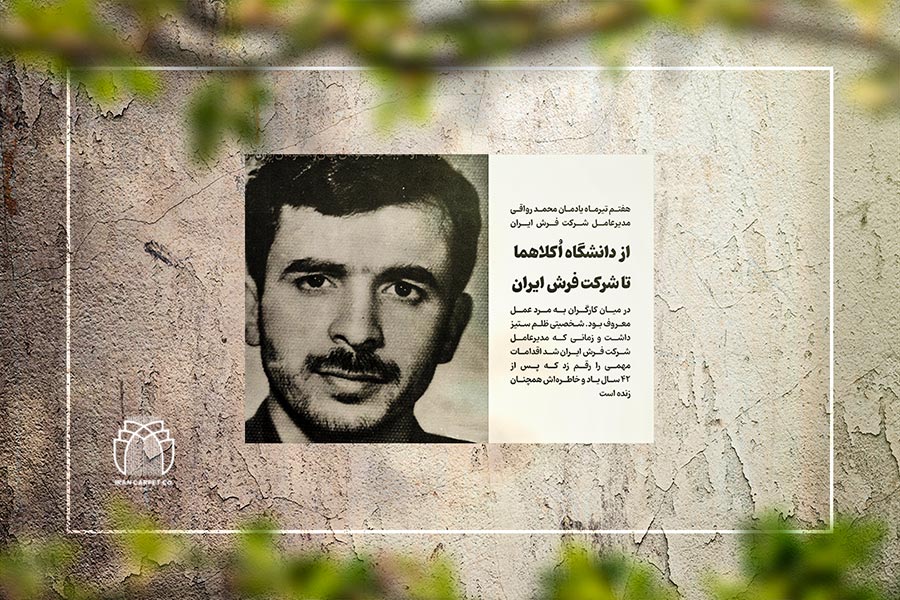
If you have visited the headquarters of Iran Carpet Company, you may have seen a tapestry at the entrance depicting the face of a young, determined man: Martyr Mohammad Ravaqi, known among the workers as a man of action. Today marks the anniversary of his martyrdom on 7 Tir.
Martyr Mohammad Ravaqi was born in 1328 SH (1949) in Mashhad. After his early childhood, he completed his education in his hometown, earning his high-school diploma. His father was a well-known and devout carpet merchant in Mashhad, so Mohammad became familiar from an early age with the workings of the marketplace. His exceptional intelligence and business acumen in the buying and selling of carpets made him known in the market as a skilled carpet trader by the age of 14. Even then, however, he was not interested in accumulating wealth and devoted much of his income to charitable causes.
Mohammad then moved to Tehran to pursue a university degree in business administration. After graduating, he went to the United States and completed a master’s degree at the University of Central Oklahoma in less than two years, also taking several doctoral-level courses. He left his studies unfinished and returned to Iran in 1353 SH (1974).
After returning to Iran, Martyr Ravaqi and his friends established the Rasa cultural institute, which published around 200 books. Following the Revolution, Mohammad Ravaqi served for a time on the Welfare Committee, then took up a post at the Tabriz Governorate. In 1358 SH (1979), he joined the Ministry of Commerce and served for a period as a member of the board of directors of Iran Carpet Company. He was later appointed managing director and chairman of the company’s board. Through a series of proposals, he called for higher wages for workers and succeeded in securing an 80 percent increase.
Four days before the bombing of the Islamic Republic Party headquarters, Martyr Ravaqi had returned from the earthquake-stricken region of Golbaf, Kerman. He was martyred in the bombing on 7 Tir 1360 SH (June 28, 1981). His remains were laid to rest in the 72 Martyrs’ Cemetery at Behesht-e Zahra in Tehran.
May his soul rest in peace, and may his memory be honored.
 Corporate News
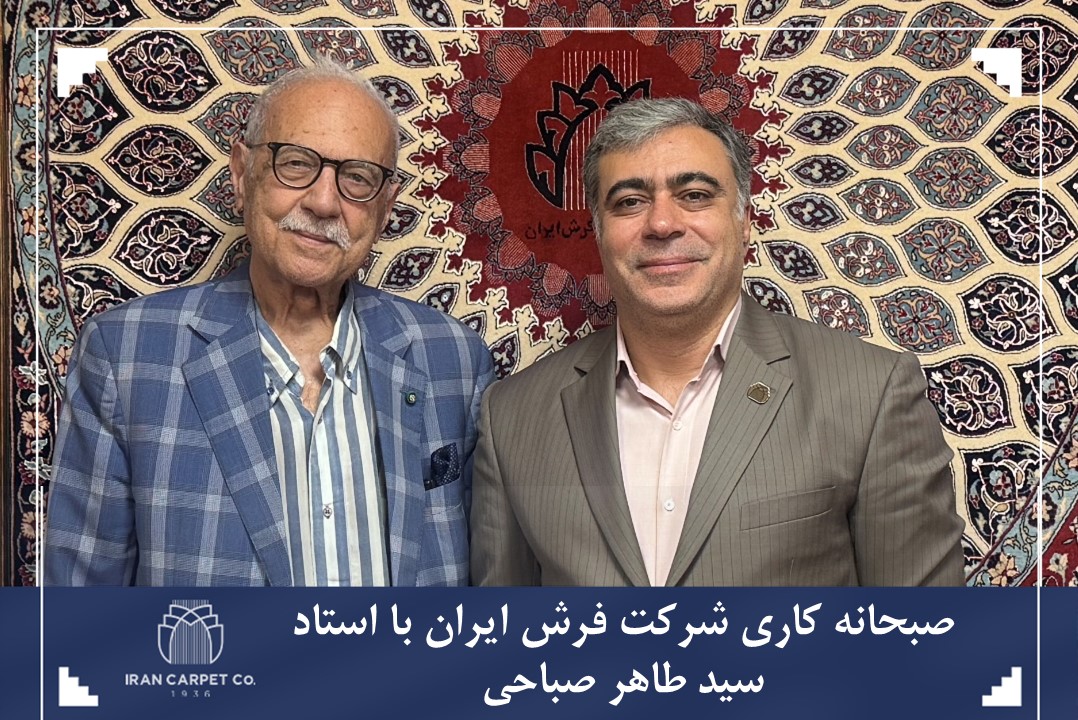
Master Seyyed Taher Sabahi, the renowned Iranian researcher, author, collector, and carpet scholar, was a guest of Iran Carpet Company this morning. During the cordial meeting, the participants explored opportunities for collaboration on reweaving distinguished historic works, publishing specialist books and journals on carpets, and holding joint training courses with academic and educational institutions in Iran and Italy.
 Corporate News6
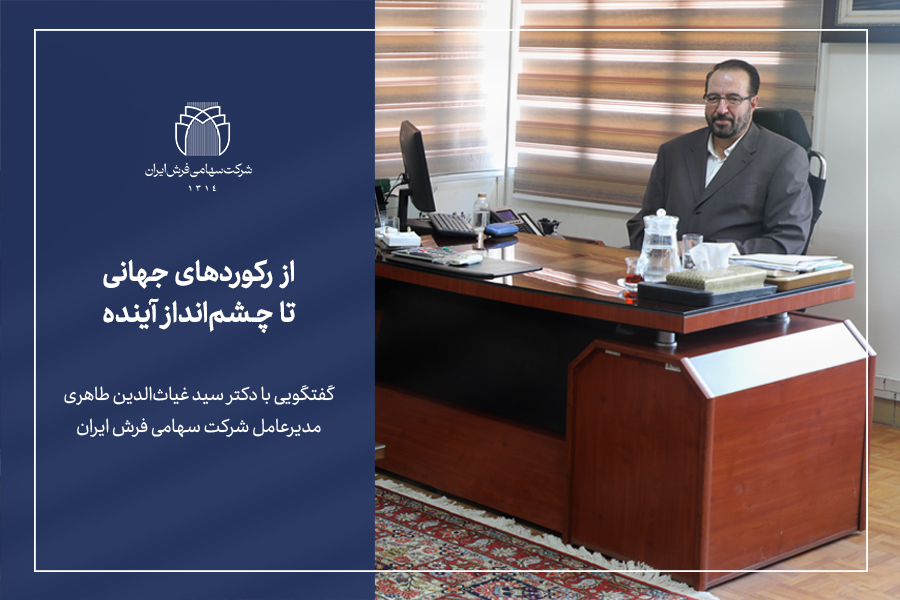
In this candid conversation, the CEO of Iran Carpet Company reflects on the brand’s history and global achievements, from producing some of the world’s largest handwoven carpets to bespoke projects for international hotels.
 Corporate News10
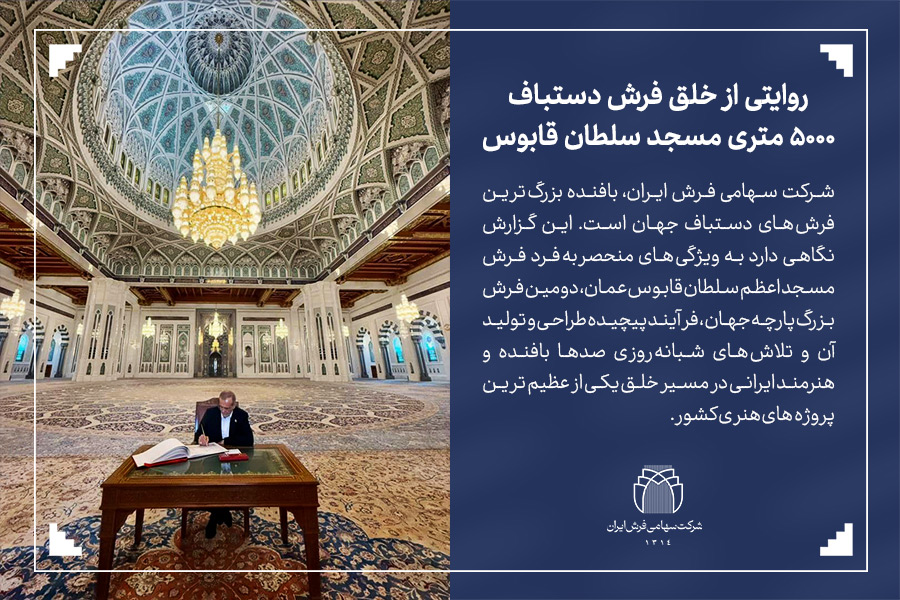
Iran Carpet Company is the maker of some of the world’s largest handwoven carpets. This report explores the exceptional features of the Sultan Qaboos Grand Mosque carpet in Oman, the world’s second-largest single-piece handwoven carpet.